








A Shared Language for Social Care Data | Ep. 17 of the 𝘕𝘰 𝘞𝘳𝘰𝘯𝘨 𝘋𝘰𝘰𝘳 Podcast
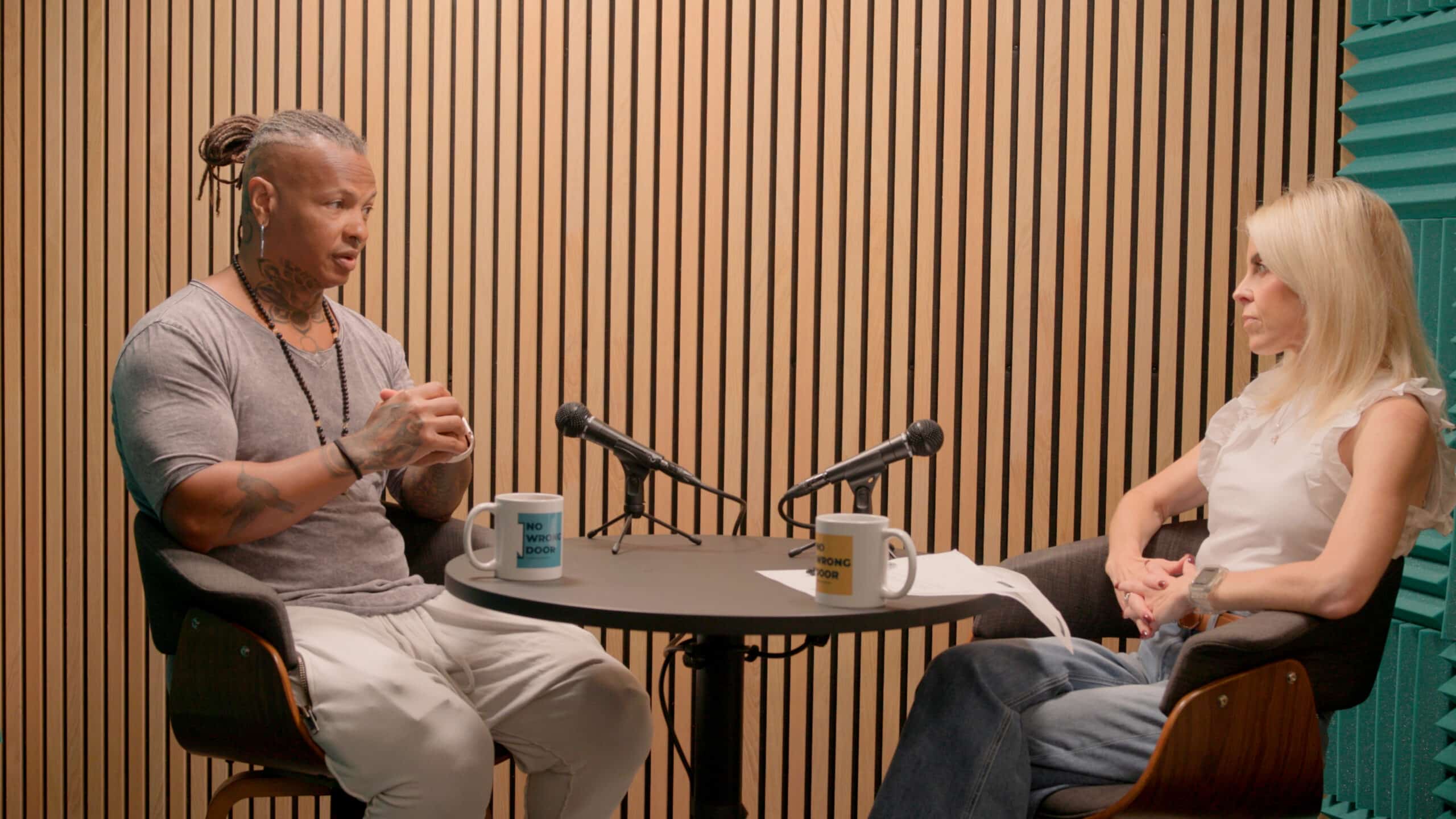
When healthcare providers and community-based organizations try to coordinate care, they often hit an invisible wall: their computer systems simply do not speak the same language. In Episode 17 of No Wrong Door, host Amy Gordona sits down with Tom Richter, Principal Technical Solutions Account Manager at Findhelp, to talk about the present and potential of social care interoperability.
Drawing on his experience implementing electronic health record (EHR) systems domestically and internationally—as well as his fluency in Mandarin—Tom breaks down how Findhelp translates broad data standards like HL7 FHIR and the Gravity Project into everyday software. Together, they explore how standardized data exchange is scaling across thousands of organizations under New York’s 1115 Medicaid waiver, and how technical teams balance strict data schemas with the sometimes messy reality of frontline care.
In this episode, we explore:

How industry groups are establishing shared standards, technical “grammar”, and connection methods
Lessons from New York’s complex 1115 Medicaid waiver demonstration
The importance of balancing rigid schemas with frontline context so data rules support—rather than restrict—real-world workflows
Key themes from the conversation
True interoperability isn’t just about building technical pipelines. It requires translating complex, human-centered social care workflows into structured data without losing vital context. Tom and Amy examine what it takes to align healthcare and social care systems around a shared language.
Establishing a shared language between healthcare and social care
Healthcare has spent decades standardizing how diagnoses, lab results, and billing codes move between clinics, hospitals, and payers.
Social care, however, has historically lacked that shared technical vocabulary—making cross-sector coordination difficult.
Amy highlights why establishing common standards through initiatives like the Gravity Project is essential. Without them, coordination efforts between health systems, government agencies, and local nonprofits can get lost in translation.
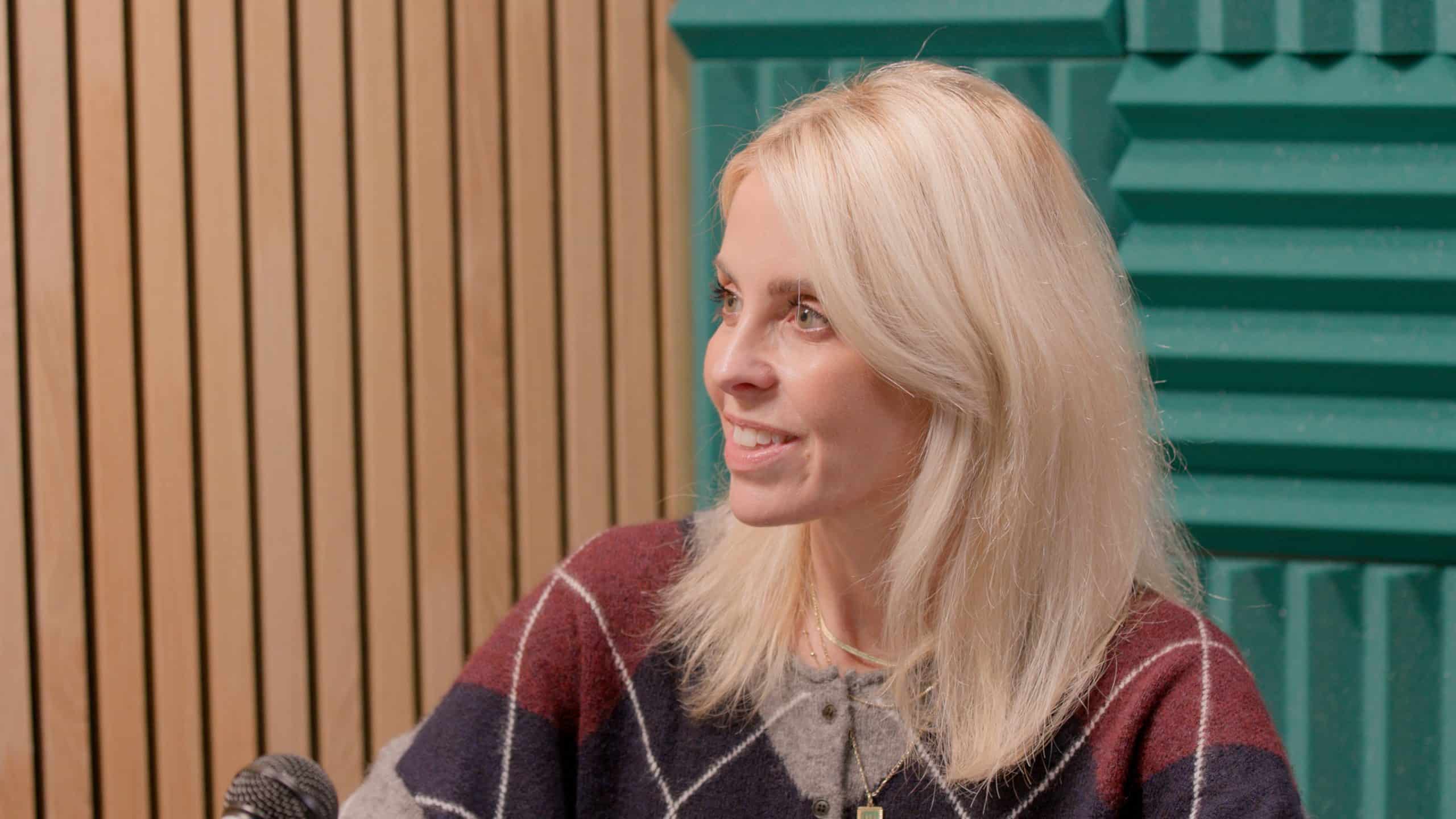
“Everyone speaks a common language with health care. But unfortunately, on the social care side, we don’t… How do you standardize how everyone is doing this so that there can be talking amongst different organizations, whether they’re in health care, they’re in government, they’re in the community?”
Amy Gordona
VP of Marketing, Findhelp
Scaling interoperability: New York’s 1115 waiver demonstration
Data standards only create value when organizations actively adopt them in daily practice.
Tom shares how New York’s 1115 Medicaid waiver has served as a massive proof of concept, uniting thousands of organizations across nine regional Social Care Networks (SCNs)—three of which run on Findhelp’s platform.
When a member is screened in one region, standardized FHIR data flows through a Health Information Exchange (HIE) so navigators elsewhere can immediately access those results, sparing families from repeating their stories.
“If the member is screened outside of where they live… we will be able to ingest it and then surface it so that the person doesn’t have to be screened multiple times just because they happen to be screened in a different region than where they live.”
Tom Richter
Principal Technical Solutions Account Manager
Findhelp
Rigid data rules vs. real-world context
Moving data cleanly between software platforms requires strict syntax and structure. However, human needs rarely fit neatly into boxes—whether it’s defining program availability statuses or capturing complex intake details.
To bridge that gap, Findhelp’s technical teams regularly consult frontline community navigators. Engineers participate in live HL7 Connectathons, testing our integrations side-by-side with other systems of record to see where rules break down when applied toh real-world scenarios.
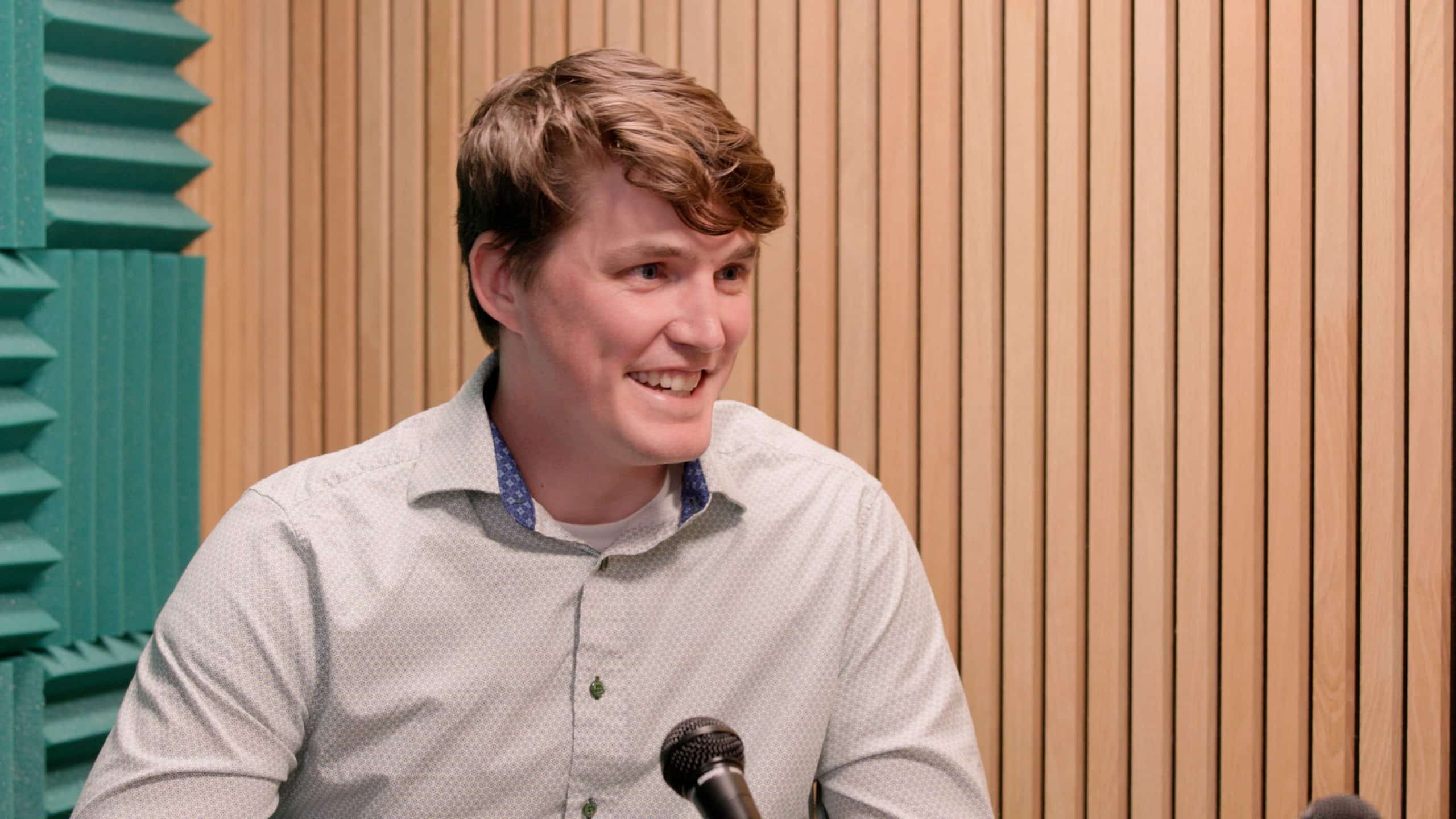
“You sit down at the table, you put the standards to the test… And the gold standard is if there’s another organization that shows up, another system of record, and you try to work on communicating between those two systems and see where are we a little too rigid in our thinking… Where does the standard not really hold up?”
Tom Richter
Principal Technical Solutions Account Manager, Findhelp
Lowering technical barriers to coordination
Even just two years ago, orchestrating millions of standardized social care data exchanges across disparate platforms seemed daunting.
Today, seeing those workflows operate smoothly in the field points toward a future where cross-sector interoperability becomes the norm rather than the exception.
By continuing to lower the technical barrier to entry, software platforms can help communities nationwide coordinate whole person care with fewer gaps.
“… Seeing how far the [New York 1115] project has come, seeing millions of these data exchange instances happening, I do think I see the hope. In five years, I’ve seen it expanding beyond what I could have thought possible.”
Tom RIchter
Principal Technical Solutions Account Manager,
Findhelp
What’s next for No Wrong Door?
Building a shared digital language across healthcare and social care is about far more than clean data pipelines—it’s how we ensure people seeking help don’t fall through the cracks or have to repeat their stories at every door.
As large-scale efforts like New York’s 1115 waiver demonstrate, pairing standardized frameworks like HL7 FHIR and the Gravity Project with real-world frontline flexibility makes seamless coordination possible across thousands of organizations. By continuing to translate complex technical standards into intuitive tools for navigators and providers, we move closer to a connected safety net where every system speaks the same language—and every person gets the coordinated care they deserve.
“A Shared Language for Social Care Data” is available now. Episode 18 will be released on December 2 and features Dr. Doug Jacobs, Executive Director of the Maryland Health Care Commission. Subscribe to No Wrong Door wherever you listen to podcasts to be notified when new episodes drop:


No Wrong Door is a podcast from Findhelp that explores how social care delivery is evolving to better support whole person care. Hosted by Findhelp’s VP of Marketing Amy Gordona, the series features conversations with social care experts, healthcare and government innovators, and Findhelp leaders who are shaping the future of access, coordination, and connected care.
Each episode offers an inside look at the systems, decisions, and ideas driving change—and what it takes to build a social safety net that works at scale.