








Data Exchange for Community Impact: Ep. #16 of the ‘No Wrong Door’ Podcast
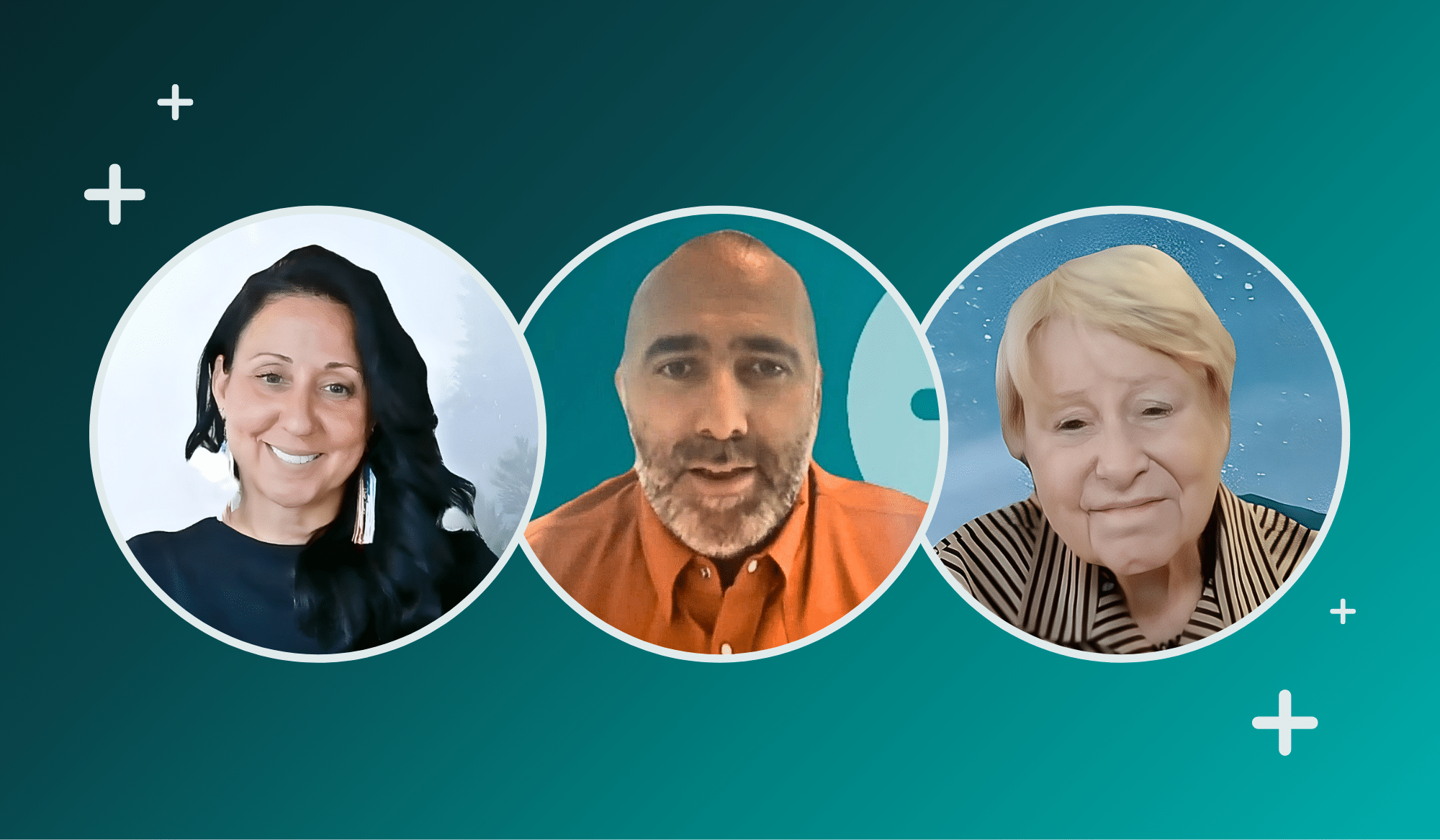
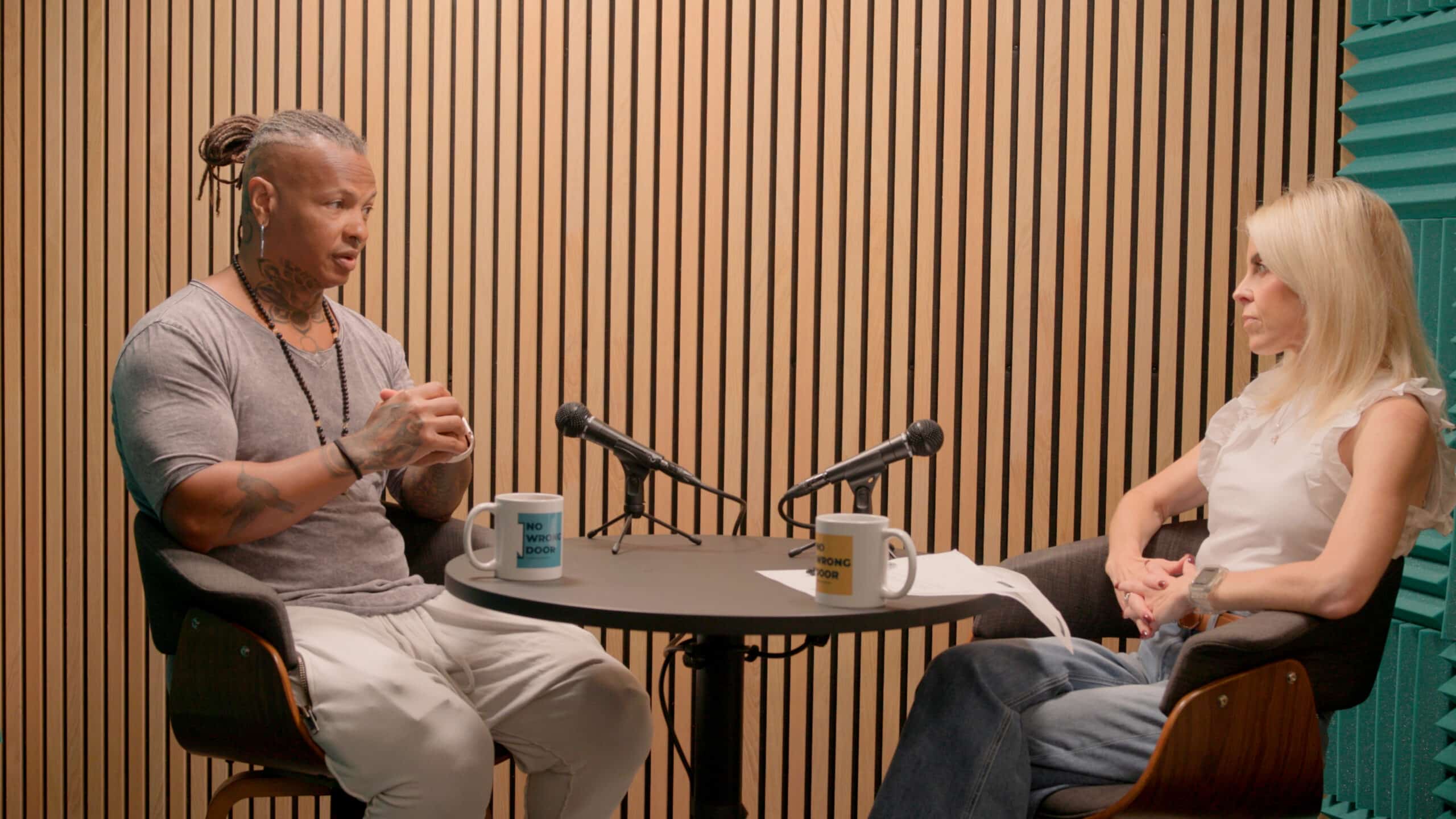
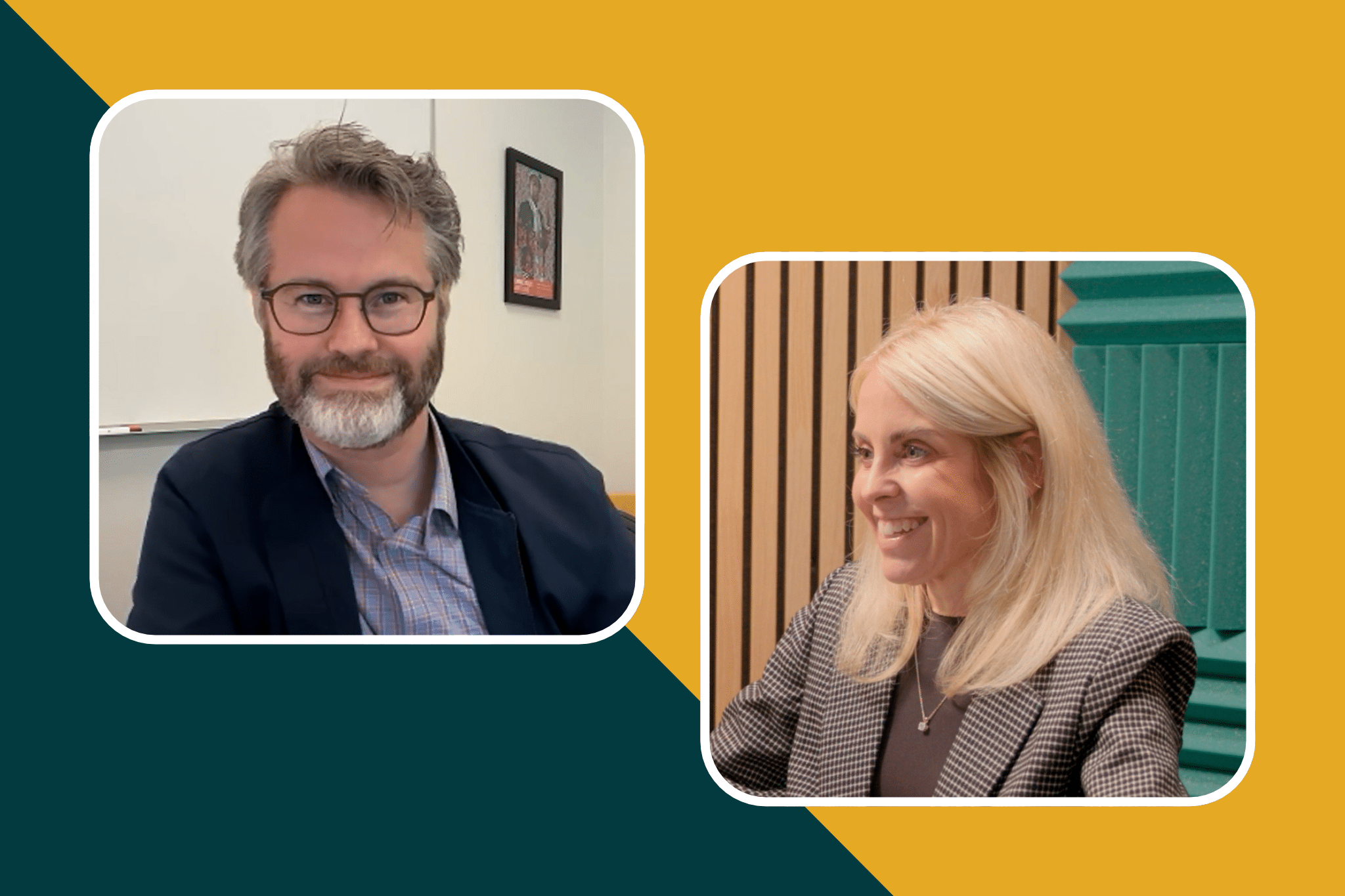
Sending a digital referral into the community is only effective if there is a funded, capable organization on the other end ready to receive it. In Episode #16 of No Wrong Door, host Amy Gordona sits down with Paul Sorenson, Co-Founder of the St. Louis Regional Data Alliance and Chief Impact Officer at the Lewis and Clark Information Exchange (LACIE), to talk about social care interoperability.
Drawing on his background as a frontline social worker, academic researcher, and health data leader, Paul unpacks the systemic realities of social care delivery. He examines why digital referral networks stall without funded capacity, explores the ethical dilemmas of screening patients when resources are scarce, and outlines how health information exchanges and Community Care Hubs act as vital “translation layers”, bridging healthcare and social services.
In this episode, we explore:

The referral capacity paradox
The ethics of social needs screening
Building a cross-sector translation layer
Key themes from the conversation
Connecting health systems with social care providers requires confronting the fundamental differences in how each sector is funded, operated, and incentivized. Paul and Amy examine what’s needed for social care interoperability: Technology alone is not enough. Partners need sustainable capacity, mutual incentives, and shared data governance.
The referral gap: Why CBO capacity dictates outcomes
Digital referral platforms are designed to connect individuals with social services, but recent research reveals that up to 80% of digital referrals go unresolved when sent without active navigation.
Paul points out that healthcare operates on a fee-for-service or reimbursement model where increased volume brings additional revenue. In contrast, social care non-profits operate on rigid, fixed block grants.
Pouring more referrals onto under-resourced organizations without additional operational dollars creates bottlenecking rather than expanded access.
“It’s like asking a pharmacy, ‘Hey, why aren’t you serving more people without the funding to do so?’. They would look at that as an absurd question. And we can’t think CBOs are fundamentally any different.”
Paul Sorenson
Chief Impact Officer
Lewis & Clark Information Exchange
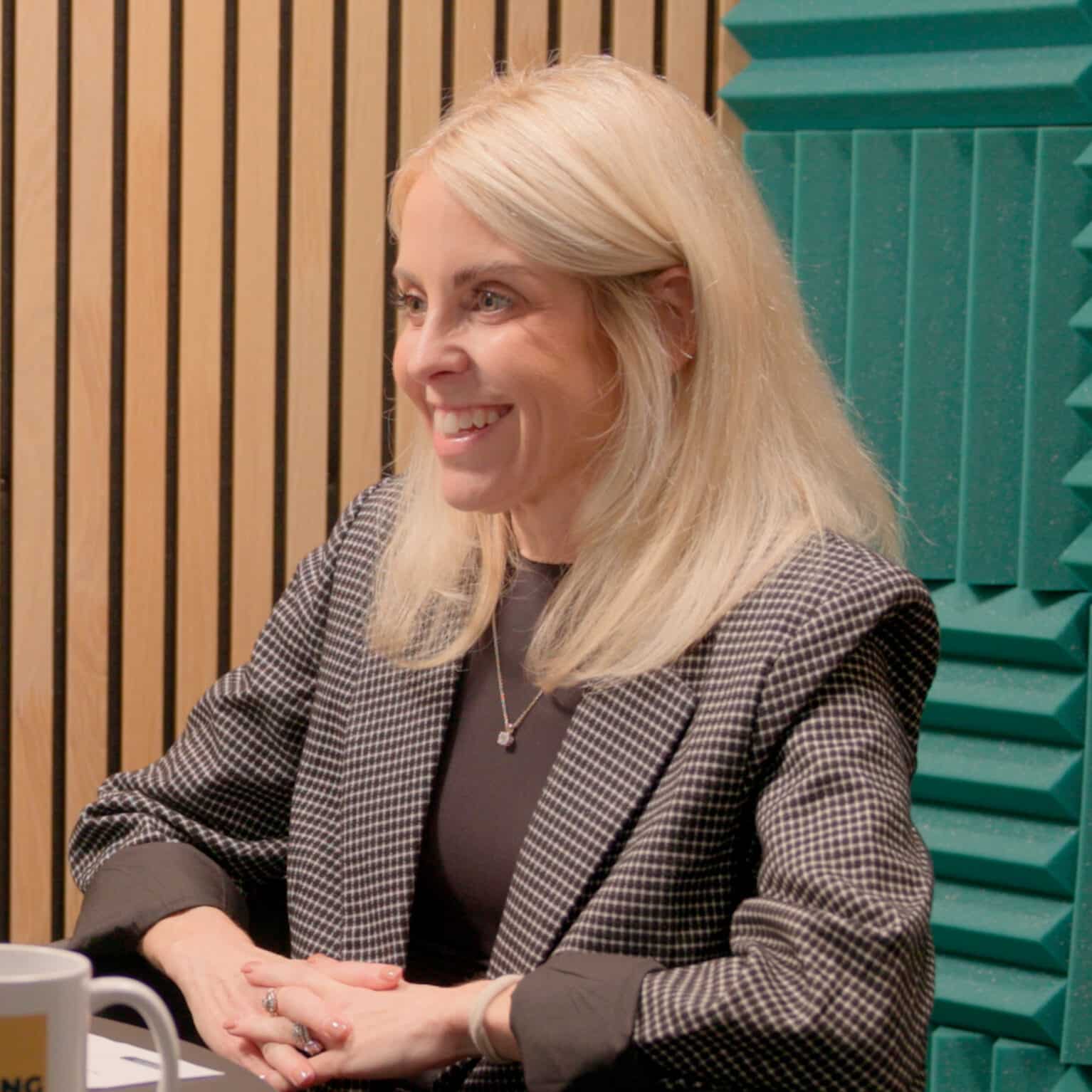
“Just because a community-based organization exists, doesn’t mean it has the capacity or the grant funding to be able to supply those services… You can’t just keep stacking more and more customers on the CBO for referrals without understanding a little bit more about what is driving their model of operation.”
Amy Gordona
VP of Marketing, Findhelp
The screening dilemma: Balancing assessment with actionable resources
Mandates requiring hospitals to screen patients for health-related social needs, such as food and housing instability, are intended to surface unmet needs.
However, screening without a guaranteed mechanism to address those needs introduces serious ethical challenges. When clinical teams identify deep vulnerabilities but lack the community partnerships or resources to resolve them, they risk damaging patient trust and frustrating frontline staff.
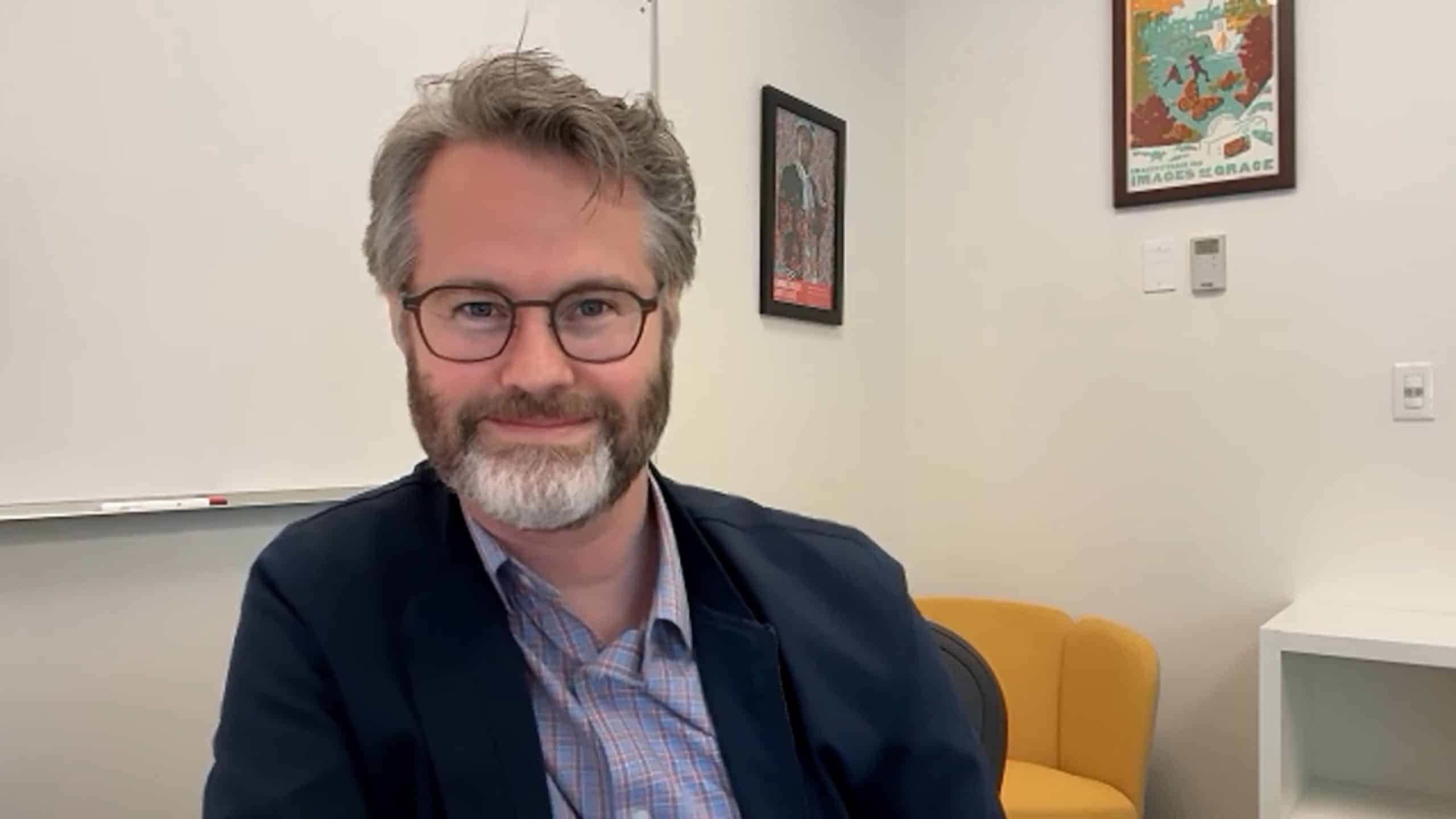
“The folks who take this seriously say, ‘Hey, I think it’s a good thing that we’re asking about social needs. We haven’t done that in the past. Of course, we understand that it has an impact on our patients’ overall health and well-being. But we need a good answer to these questions; if someone says they’re food insecure, can we feasibly address it? Because if we can’t, what does that do to our relationship with our patient?’.”
Paul Sorenson
Chief Impact Officer, Lewis & Clark Information Exchange
Community Care Hubs as a “translation layer”
While the clinical and economic rationale for health plans to invest in SDoH is clear, a massive operational divide separates healthcare payers from grassroots non-profits.
Payers require standardized data, billing codes, compliance, and outcome tracking, whereas CBOs focus on direct community support.
Paul highlights Community Care Hubs and regional information exchanges as essential intermediaries that translate requirements, aggregate contracts, and coordinate capacity between both sides.
“Yes, health plans should be investing in CBOs and services, but we need a translation layer between the sectors to, again, make sure that the benefit is mutual. So can we help with contracting for services? Can we help with the data capacity? Can we help with workforce training?”
Paul Sorenson
Chief Impact Officer
Lewis & Clark Information Exchange
Recognizing that data follows funding
Community data collection often reflects the reporting mandates of external funders rather than the daily operational needs of staff or clients.
Because many CBOs juggle dozens of disparate public and private grants, data ends up trapped in separate silos.
Moving from compliance-driven data entry to meaningful social care interoperability requires building technical infrastructure that respects an organization’s existing workflows while sharing actionable insights across sectors.
“Data is downstream of funding… a lot of times the data that people collect, the data that people share is because their funders told them they had to. And I don’t think that that goes far enough.”
Paul Sorenson
Chief Impact Officer
Lewis & Clark Information Exchange
What’s next for No Wrong Door?
“Data Exchange for Community Impact” is available now—Episode #17 will be released on Nov. 25 and features Tom Richter, MCS PMP, Findhelp’s Senior Technical Solutions Engineer, exploring social care interoperability data standards.
Subscribe to No Wrong Door wherever you listen to podcasts to be notified when new episodes drop:


No Wrong Door is a podcast from Findhelp that explores how social care delivery is evolving to better support whole person care. Hosted by Findhelp’s VP of Marketing Amy Gordona, the series features conversations with social care experts, healthcare and government innovators, and Findhelp leaders who are shaping the future of access, coordination, and connected care.
Each episode offers an inside look at the systems, decisions, and ideas driving change—and what it takes to build a social safety net that works at scale.