












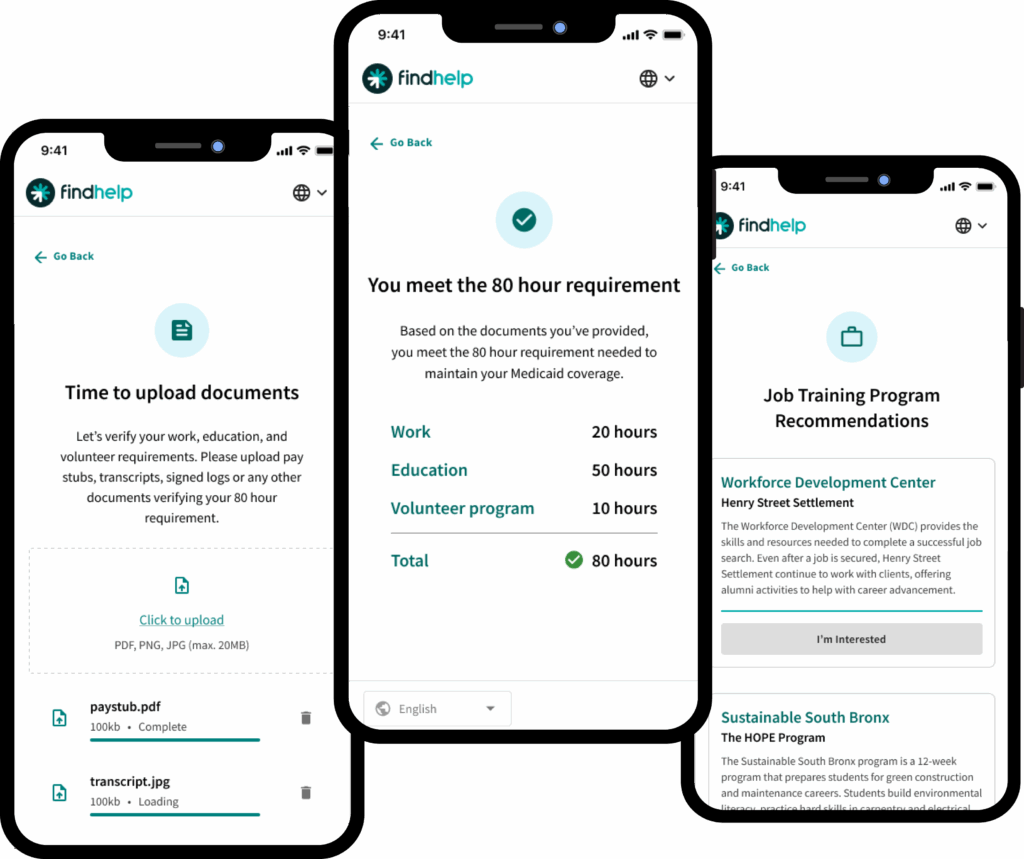
Clear, Plain-Language Guidance for Medicaid Work Requirements
Medicaid redeterminations and work requirements are confusing. Our interactive guide helps members screen for exemptions, calculate their hours, and pull together the right proof to keep their coverage.

Complex rules lead to lost coverage
Navigating Medicaid work requirements shouldn’t require a policy degree. Between calculating 80 monthly hours, understanding complex exemptions, and rapidly approaching deadlines, the administrative burden on members has skyrocketed.
1
Membership Churn
Nearly 70% of Medicaid coverage losses are procedural, caused by administrative confusion and paperwork barriers rather than actual loss of eligibility.
2
Financial Risk
When members lose their coverage, the whole system absorbs the cost. Disenrollment strips members of essential healthcare access, leaving health plans short on capitation revenue, providers burdened with uncompensated care, and CBOs overwhelmed by support requests.
3
Operational Strain on Staff
Navigating complex policy details bogs down case managers, social workers, and community navigators in endless administrative support instead of direct care.
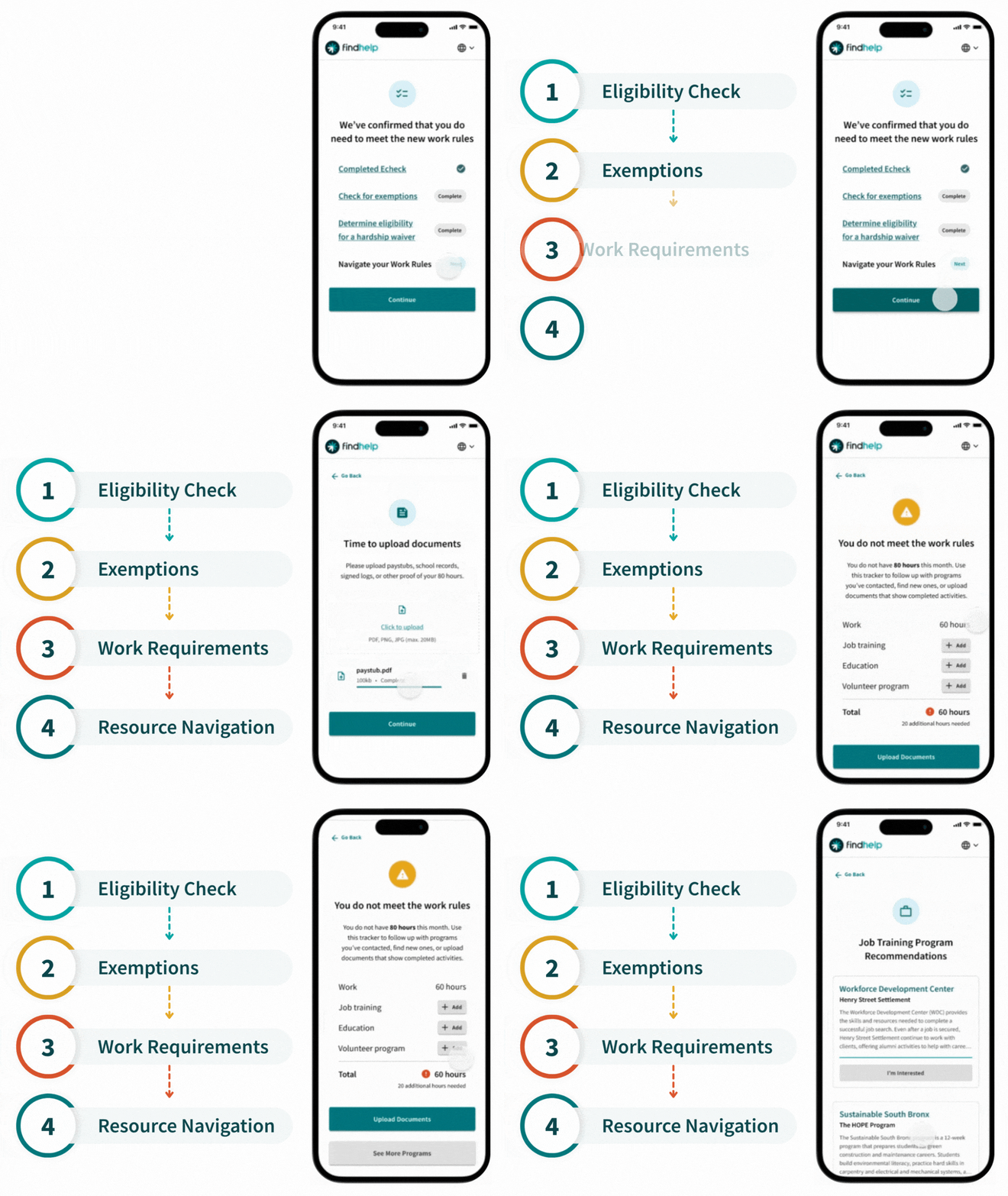
Proactive guidance to prevent avoidable disenrollment
Our Seeker-Facing Redetermination Guide strips out policy jargon, screens for exemptions upfront, and provides clear, step-by-step guidance so members can prepare for renewal and protect their Medicaid coverage—all with minimal staff oversight.
The Findhelp Difference
Our guide turns complicated state policy into a clear, step-by-step roadmap—moving beyond static PDFs and generic online screeners so members know exactly what to prepare.

Upfront Exemption Screening

Automated Hour & Income Logic

State-Specific Renewal Guidance
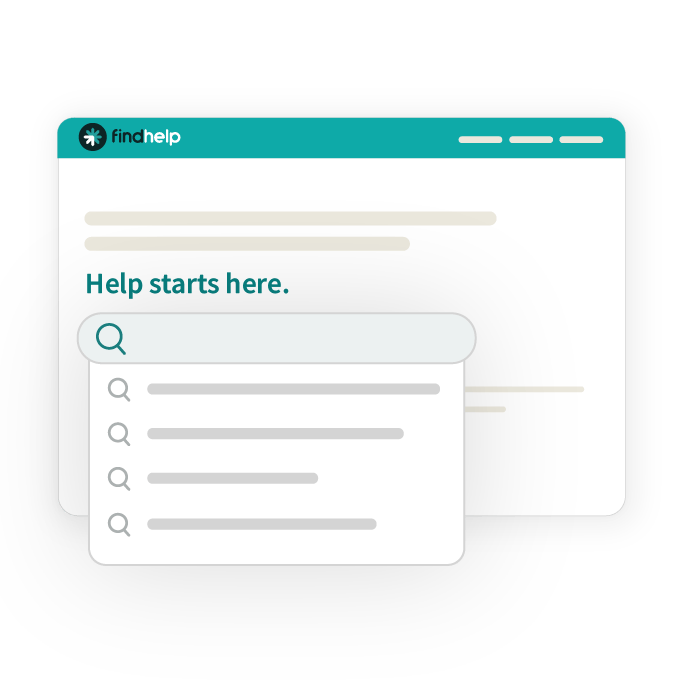
Direct Network Access for Qualifying Activities

Self-Service Member Roadmap
The impact: Protecting coverage across the care continuum
When members are prepared before state deadlines hit, everyone across the safety net benefits:

For Health Plans (MCOs)
Safeguard monthly capitation revenue and prevent administrative member churn.

For Providers
Eliminate sudden coverage gaps that lead to uncompensated care and unpaid medical bills.

For CBOs & Navigators
Shift staff time from explaining complex policy rules to delivering direct community care.