










WATCH | State-to-State Roundtable: Interoperability in Practice
Social care data exchange has officially shifted from a secondary consideration to a major clinical and financial imperative. But while regional policy frameworks offer clear theoretical roadmaps, the operational reality of standardizing and exchanging non-clinical data remains a massive undertaking for health information exchanges (HIEs) across the country.
To explore how these technical hurdles are being cleared on the ground, we recently hosted a virtual cross-state roundtable on social care data exchange. The conversation focused on how leaders in different regulatory environments utilize technical standards to solve the same human problems.
Read on for key takeaways:

How different state policy environments—from California’s sweeping mandates to Texas’s voluntary coalitions—impact how networks engage with providers.
Strategies for embedding social care data into existing clinical workflows without causing operational friction or creating login fatigue.
How HIEs are absorbing the technical burden of messy data and emerging standards (like the Gravity Project) while navigating the future of AI and privacy.
A special thank you to everyone who joined us and to our fantastic speakers for sharing their insight, experiences, and vision for social care data exchange.
Watch the recording: “Interoperability in Practice”
Alright. I’m gonna go ahead and get started today. I wanna thank everyone for joining us. We at Findhelp wanted to put this roundtable together to look at the practical on the ground reality of social care data exchange. There are a lot of abstract theories out there about interoperability, but we really wanted to focus on how this is actually working today. If you are joining us as a provider, a health plan manager, or a leader at a community organization, you already know how much vital social care data you are collecting every day. You’re dealing with housing, food insecurity, and transportation needs constantly. The real challenge we’re all facing is how to securely and efficiently move that data across different software platforms so that it actually helps the people that we’re serving without making everyone on this call’s day to day job harder. So I’m really, really excited today to have our five panelists joining us. They are Stephanie Brown from CRISP DC, Leslie Goodyear-Moya from Manifest Medics, Eliel Oliveira from Connxus, Terri Stewart from SYNCRONYS, and Laura Young from Converge Health Iowa. And what we’re gonna do today is is explore this with each of those five panelists. But before I do that, I wanna just level set, make sure we’re all know using the same terms, knowing what we’re talking about, about what is an HIE and what they do in social care. So for those who come from the community or plan side, you might be wondering why HIEs or health information exchanges are the ones on this panel. Historically, HIEs were built to be the secure, neutral data highways that connect different hospitals and electronic health records within a state or a region. But because they already have that secured data infrastructure, the established legal trust frameworks and those regional connections, they’ve naturally become the logical space to help exchange social care data too, and they’re helping to build bridges between clinical and community settings. So we have a lot to cover in seventy five minutes today, so we’ve decided to skip the usual slide decks and stand alone organization overviews, and we wanna get straight to the conversation. So when I call on our panelists for the first question, I’ve asked them to briefly share a bit of context about their specific network scale, geography, and the unique populations they serve so you can get a sense of the footprint right out the gate. So, with that, we’re going to bring our panelists on stage. Yay. Welcome, panelists. Thank you for joining me. So I’m going to, start today with state and regional networks are approaching social care data exchange with unique models. I’m gonna call on each of you. And when I do, can you each share first who you are and your a little bit about your organization? And then from your unique space in this ecosystem, What’s working exceptionally well in your region right now? And especially when it comes to connecting clinical workflows with community based resources. And I’m going to start with Stephanie Brown. You’re on my top left corner here. Sure. Hello, everyone. I’m Stephanie Brown. I am the president and executive director of CRISSDC. We are the district designated health information exchange and health data utility here in the district. That being said, we are also part of Chris shared services, which is our largest vendor. And what that means is that we share data amongst all of the Chris shared services affiliates in the other states, some of which are regional, which will allow care to be coordinated across lines, state lines, for example, in Maryland and West Virginia, some of our neighboring states there. One thing that I wanna highlight that is going really well in the district is that all of our providers are voluntarily participating in the h HIE. We are voluntary, and they are voluntarily leaning in to making sure all clinical data and all social needs data is flowing to the HIE and is coming in in a timely manner and is robust. And so right now, one thing that I think is pretty incredible is we have three agencies that manage health in the district. We have Department of Behavioral Health, DC Health, which is the Department of Health, and Department of Healthcare Finance, which is DC Medicaid and who designates and and governs from that perspective of the designation, the HIE. All of those agencies are working together to provide technical to organizations for all types of data, making sure that the CRISP DC HIE has robust data in order to coordinate care. And I’m really proud of everyone leaning in, including users and trying to see what data they’re sending, what they’re not sending, what their connectivity looks like, and the timeliness and completeness of that data together in order to to really get to a stage where our connectivity is is is flowing in a way that is complete. One thing that I say I would say that we’re focusing on that is a little bit unique is the the no wrong door approach. Everyone has different vendors and historical workflows and new workflows, and we have to be, like, we have them with clinical data and vendors in the past, completely vendor agnostic. So that is obviously a hurdle when we have a lot of different ways we need to receive data from a CSV to a PDF to an API. But that does take a little bit more time, and so that’s something we’ll continue to work on in our partnerships with all organizations and all vendors and how they’d like to share their data through the UJ. Great. Thank you, Stephanie. Leslie, if you could go next, please. Okay. Alright. Hi, everyone. My name is Leslie Goodyear-Moya. I am the senior adviser of strategic initiatives at Manifest MedEx. Manifest MedEx is California’s health data utility. So we serve, pretty much every insurance type, Medicaid, Medicare, commercial, uninsured, and many, many provider types across the care continuum, large hospital systems, county public and behavioral health agents, FQs, IPAs, and ambulatory practices, and I could go on. Our our the amount of participants that we have on our network has has grown very dramatically over the last few years. And as we get deeper into this, webinar, we’ll go into some of the reasons why. And as far as MedEx and and how we work, we will I’ll also get a little deeper into that further further along. What I wanted to share here, though, around, like, what it’s looking like in California, I wanted to share a kind of a a thought that I had recently, which is that, you know, in doing work over the past ten or fifteen years ten or fifteen years ago, whenever a conversation turned to measuring outcomes or which data we’d use to do it, there was always, like, this reflective response even from the very, very smartest of the smart people that we worked with, planning and evaluation folks, program officers, and seasoned leaders that would and they would say, you know what? Let me bring in my data person for that. It’s like there was this persistent mental divide between who is capable of engaging in a data conversation and who maybe wasn’t the right person. And thinking about that, like, I I honestly can’t remember the last time I’ve heard that. What I see now across the board in California is that data fluency has become more common. People aren’t deferring data conversations as much as they were anymore. They’re eagerly eagerly participating, and that to me is a quiet, profound, and underappreciated win that we’re seeing, and it’s really the foundation that’s making everything in California possible. Through Medicaid’s enhanced care management and community supports programs in California, we’re seeing, we’re seeing that HIE and data infrastructure really put to work in real and measurable ways. We’re seeing care managers confirming eligibility at the point of care. We’re seeing transitions of care being communicated across organizations, care plans being shared, and this access to a fuller picture of a person’s story that is visible to every member of their care team, their care manager, PCP, health plan enables informed and truly whole person care. And so that that’s kinda what it’s looking like over here in California. Great. Thank you very much. Eliel, what about Texas? I’m sorry. Start again, please. Yes. So well, thank you for having me. So, mean, based in Austin, Texas, and we have been around here for over twenty years since nineteen ninety seven. And, yes, like Andy was describing, we have had, you know, strong, you know, legal agreements in place and data exchange protocols to support clinical data sharing for quite a bit of time. And we have been involved on the social care transformation that we need in healthcare for for quite a bit of time as well, you know, seven, ten years to be exact. We got involved on the Gravity project on its early inception in twenty nineteen. And and I’m glad to be honest, Andy, that you asked the questions, what’s working well? Because if you had asked also what is not working well, would say there’s a lot that still need a lot of work, to be fair. But I think the things that I can say that are working really well for us, one is that we have been successful in projects where we fully analyze an end to end workflow to address a specific social need, and implement the workflow integrated tools that then help providers, community health workers to reduce the overload of working data access, but streamline the delivery of their personal relationship with individuals. So kind of two things. Personal relationships to us between the community health workers or or clinical practitioners is what really closes the loop, is that trust between individuals that are suffering to be able to talk to someone and trust them that they’re gonna be helpful. But they need to be aided by technology that’s fully integrated on what they do. So that’s helping them actually achieve that goal as opposed to hindering their work and adding extra pieces of things to do and to to look and, you know so you we have so much data in health care and in social care as well. And if we don’t streamline that for the folks on the ground, it becomes very hard for them to make an impact. So high level, I think the point is workflow that are designed to service specific use cases end to end, you know, is what where we are seeing a lot of success and where we plan to continue to scale. Great. Thank you. Terri, how about Synchronoss in New Mexico? Great. Good afternoon, everyone, and thank you to Findhelp for asking me to be on this panel. So Terri Stewart. I am the president and CEO of Synchronoss. Synchronoss is a not for profit health data network that operates and manages the state of New Mexico’s health information exchange. We are also a CMS aligned network working to, you know, share our data nationally transparently. So I would say what’s working well in New Mexico, which is a little different than the others on the panel, is really community involvement. We as a state have brought together and convened what we call the New Mexico Social Drivers of Health Collaborative or the Collaborative is, you know, how we refer to it. And they convene monthly. We have work groups that are looking at things like community engagement, tribal health related issues, operations of how do we have policies. And this collaborative brings together state agencies. It brings together the community based organizations, the MCOs, health care providers, and Synchronoss to really build the relationships that are essential to gain trust to share this data and to build the system that would work for the state. We have just like we have multiple electronic health records that, you know, different organizations are using, We have multiple closed loop referral systems. Our state’s health care authority has implemented Findhelp that they’ve branded, yes, New Mexico connect, that they’re using for the Medicaid population and the MCOs. But we also have large regional organizations who before the state put in their closed loop referral have are using other platforms. And so it’s really by bringing everybody together. It’s talking about how do we really take this disparate data so we can focus on the whole person. And fortunately for Synchronoss, all of the individuals who are part of this conversation really see the foundational role that a health information exchange would play just like we do for electronic health records. So, I mean, I think we’re working on that trust in how do we build something that would work for everybody. Thank you. Thank you. And, Laura, certainly, last but not least in this case, talk about Iowa. Yeah. Thank you. I’m Laura Young. I’m the executive director for Converge Health Iowa. We’re in a really unique position because basically, we’re rebooting the health information exchange in Iowa. It is part of a larger rural health transformation initiative for the state. So social care is part of that whole design. So we are being very thoughtful about what we’re doing and how we’re going to blend that into overall information exchange across the state of Iowa. And we have a great opportunity to really hear from stakeholders about what their needs are and how they’d like that to look. We’re actually on the road for the next three weeks. We’re driving about sixteen hundred miles across the state to talk to stakeholders directly to find out what kinds of things that matter to them, both on the clinical side and also on the social care side. So these are things that are very important for us to make sure we get it right, and that we’re thoughtful about how we bring social care and clinical data care together in such a way that it’s very meaningful. The bottom line is really whole person care and the whole picture for for all of the patients across Iowa. Thank you. I appreciate that from each of you, and it does seem a common theme that getting down into the communities and really meeting and talking and leveling everyone in the organization up. Leslie, I like your point about the whole the whole everybody is getting more data fluent and understanding what that means and bringing it down into those communities so people can really get the information that they need out of these systems. And I’m gonna turn now and focus on two states here because they have really different policy approaches to interoperability. And for example, in California, the state has a data exchange framework, the DXF, that mandates how interoperability and data sharing should look versus in Texas. There isn’t a top down mandate. So Leslie and Eliel, and maybe I’ll start Leslie with you and the DXF framework. How does your local policy environment impact how you engage with providers and community organizations? Yeah. Yeah. That that is that’s the big question. So to set the stage for those who may not be as familiar, as Andy mentioned, California passed the data exchange framework in two thousand twenty two. It’s basically a state law that requires entities in the health care space and the social space, to share patient data in real time upon request. It’s one of the most sweeping health data sharing mandates in the country, and what it does is it it really has opened a lot of doors. When we talk to a provider or a health plan about data exchange, the conversation starts from place of need rather than a place of, like, nice to have. And that’s a genuinely different dynamic than building, like, a voluntary coalition from the ground up. So respect to networks like Connexus, that have, that are operating from a different place. Worth noting, though, the DXF doesn’t prescribe which HIE an organization needs to use to meet their obligations. There are a few different HIEs in the state that have been designate designated as qualified to meet DXF requirements. And of those, there’s a couple regional HIEs operating in in California, and then there’s Manifest MedEx that operates at the statewide level, as the health way as the health data utility. And so with that choice, organizations can choose an HIE based on, whatever they like on their network footprint, existing relationships, technical needs, quality of data and services. That means that even in the mandate environment, MexEx is still competing on view, which keeps us honest and keeps our participants at the center of what we’re building. And so, also, I’ll say about the mandate is that it’s the floor, not the ceiling. The DXF tells these entities, hey. You need to share data, but it doesn’t necessarily tell them how to do it well. And so that’s where, you know, the real engagement work, building trust, supporting onboarding, meeting participants where they are technically is just as relationship driven in California as it is anywhere else. And I’ll also say that beyond the DXF, the California Medicaid whole person program that I mentioned earlier, it’s called CalAIM. This includes their the eleven fifteen waivers that you may have heard of. That’s added a second layer of accountability. And so with CalAim, it creates a financial and programmatic obligation, for organizations across the straight state around whole person care that makes data exchange operationally necessary for managed care plans and their care management providers. And so I I just call that out because that combination of a data sharing mandate, which is the DXF, and a care delivery mandate, that’s really what’s making California’s policy environment especially powerful right now. Thank you very much. And so, Eliel, how would you contrast that with the sort of maybe grounds up approach that you’ve been working on in Texas? Yeah. So I think we have a very different environment here as you’re alluding to, and even and Leslie mentioned as well. We have five HIs in Texas, and and that’s an advancement in in some ways, but a loss in some ways. We used to have twelve at some point in time. And then we have a organization called the Texas Health Services Authority that is there to help coordinate and advance HIV connectivity in the state of Texas. Right? So we do not have something like the the data exchange framework in California, but THSA serves as that agent to maybe help advance the work that we have here across the different HIs. I think that the way that we are set up in Texas without, you know, a lot of that mandate or regulatory, you know, ordinance, if you will, in in in doing interoperability, is that it does give us some flexibility where on a daily basis, that’s not what my mind leading the health information exchange is in in complying with regulations and and trying to agree that on that On those type of regulations, although we are doing that from a national perspective, right, we spend a lot of time with CMS currently because they are, you know, implementing a new infrastructure called the the health technical system, and we are working hard to make sure that we are compliant with that. But in Texas, we don’t have those requirements. So that free gives us some freedom to them, focus with our members to address things that we see that are important to them. So I think in terms of social care, that’s a great example. Like, we are able to then sit down with our members and build these integrated workflows that I was talking about, end to end that fully addresses a specific social challenge, and we can measure the results because we build the systems to be able to track that fully as well, utilize tools like FindHelp and others. So it gives us that flexibility. Right? But at the same time, I think it leaves a vacuum, if you will, of focus on on certain things that we may or may not need to focus on in terms of social care in the state. I think it’s important to note, like, the state has, you know, has legislations to focus our attention on maternal health quite a bit. And that’s very important and quite helpful. But it that might be the extent of what we have to address. Maternal health, very focused. Right? So leaves a lot of empty or open discussions about what do we do about housing challenges, you know, and behavioral health challenges, and so on and so forth. So I think that vacuum, you know, it’s likely gonna change a little more now as I’m seeing what is going on at the federal level that’s then trickling down to the state of Texas that we need to address. Some examples that I’ve seen from the secretary meeting with our governor talking about food and the quality of food that’s available in the state of Texas. I think that’s gonna be a positive advancement in terms of social delivery of food in rural areas in in such a large state with logistics becomes very difficult. But I think I hope that is making sense. We have that freedom to work on the things that our key partners, our key hospital systems, and FQs, and mental health authorities are interested to do, and focus our time in solving that as opposed to dealing with mandates. But then we sometimes feel that we are missing, like, some direction. Okay. What is really that important the the important challenge that we need to address here across the state? Thank you. And I I like what you said about the workflows and bringing people to the table and making sure that that works for all the different parties. And it it kind of plays well to our next question as well because when you bring an academic health system and a community organization and a federally qualified health center all to the table to work on the same data exchange, social care workflow. They all have very different capabilities, technology, resources. And so I I’d love to turn to Laura and Terri and Stephanie and say, from a strategic standpoint, how are your networks getting social care data into the hands of those different entities, and what do they come to the table sort of expecting, and what do they need? And, I’ll start with Laura this time. Yeah. Thanks. You know, I like to be very use case focused. And so I think I’m talking, to the providers to really understand what what their actual data needs are. What are the workflows? Because we often hear that, you know, they don’t want another system to log into. They need the data to sort of be in the workflow and where they can get to it easily. And then I think as Stephanie was alluding to, you know, meeting them where they’re at and, you know, making sure that, you know, someone that maybe has a really sophisticated system versus someone that maybe doesn’t. One of the things that we heard on part of our our road trip here is incompleteness of data. So, you know, we’ve got folks that are really willing to use a network, like Findhelp and and get data from a social care perspective that’s only valuable if everyone’s at the table using it. And so I think that’s part of where the thoughtful strategy and design is. From a HIE perspective, I think part of our role is can we be conveners? And it sounds like Terri’s doing a lot of that, which I think is amazing. So it isn’t enough to just get people logins right to a system. It’s it’s gotta be the natural convening and then around use cases that matter to everybody. Well, Terri, I’ll ask you maybe to to jump off of that springboard and add your thoughts. Well, thank you for that, Laura. So, I mean, what we’re doing strategically is really looking at how do we connect the people where they are. I mean, we’ve all used that term, but we have large systems that are integrated systems that have platforms. They’re doing screening of all of their members and patients, and that’s in their system. We have the state with their YES Connect, and then we have all the other disparate systems. So our focus is to really work with Findhelp in our state to receive data from our YES, their YesConnect New Mexico for and that’s the front door for citizens of New Mexico to request services and be referred. And that is primarily being referred to the Medicaid at this point in time and some of the providers, but not all the providers are connected. But our first goal is to really receive that information when consented from those citizens to have that data join their longitudinal record so it could be shared with people who subscribe to Synchronoss. The second is to really work with the other closed loop referral systems to receive their data. But, ultimately, what we want to do, and we’re hoping that this will be part of our state’s rural health transformation, is for Synchronoss to have an instance of a closed loop referral system integrated into our platform. So those small providers, rural providers, FQHCs who don’t have a large system or EHR where they’ve integrated CLRS into their system that we would be that option. And so they would have access to both the medical record and the closed loop referral. So that’s strategically what we’re looking at doing in terms of how to meet everybody where they are and, you know, close those gaps to share data so people who subscribe to Synchronoss are able to see that data, and we can also provide it in various reports to whether it be MCOs or state agencies. Awesome. Yeah. Definitely. I noticed, Laura, when you said incompleteness of data, every head on the panel nodded. So, Carrie, I love that approach to trying to give more entities the tools they need to help participate so that that data for the whole state can reflect that complete more complete view. So, Stephanie, moving from Iowa and New Mexico or perhaps a little more rural to DC, how does that look a little different in in DC? You know, honestly, I think there are so many similarities to what everyone is saying here. And, you know, Laura and I were kind of speaking to each other, and I’ve been shaking my head at everything Terri was saying as well. And one program I really wanna highlight that I think touches on this is we are part of an initiative in the district called eHealthDC, which is something where, it focuses on digital health transformation and HIV connectivity. So it includes Chris BC, the DC Primary Care Association, the DC Hospital Association, as well as two private small business entities that work as health care consultants. And we are all putting our heads together with Department of Healthcare Finance, who is the funder for that. Again, that’s DC Medicaid, as well as DC Health because they are the organization in the district that is partnering with Findhelp. So we do have a large number organizations in DC that are using that. At the same time, we do have some proprietary systems similar to what Terri said that we also need to get that data into the HIE. And through that coalition of stakeholders, the primary care association, the hospital association, we are doing that outreach through those organizations, through the committees that they already have, through the education programs that they already have, bringing them into the HIE, making sure all of the connections that we have, we’re using, making sure all of the deep understanding of these workflows we are capitalizing off of when we are rolling out this program. And so what we’re really offering is shoulder to shoulder technical assistance, which with each of these organizations, and the burden doesn’t strictly fall on the HIE. We are also a nonprofit. We are a small lean organization. We are used to doing a lot with a little. And so that’s why these partnerships are so essential for us to get the news out about these the products that we have and how we can share this data. But then also what Laura said is get the information and the feedback in from those users on how we can just grow showing that data within our HIE, whether it be from the user experience and user interface of how they can more easily find that data when they see that snapshot of whole person care, or how they would like to send us this data, or how they would like to view it, or I can’t find the z codes that you’re parsing out of CCDs. Is there a way that we can marry that with other, diagnosis data in a way that is just much more streamlined? So it is this this relationship where we are making sure we’re providing education, but also we’re continually being educated as associations in the HIE and our partners in district government that are providing these services. And this is a journey. We’ve been on this journey for a few years now, and we pivoted and we’ve had to fail fast and say, you know what? In the beginning, we focused on should we build our own lightweight tool, and now we’re responding instead to what the market is doing, what people have already put a lot of time and effort into instead, and also responding to the other agencies, vendors of choice. And, for example, this would be fine help in this situation. So I think regardless of rural or the district, we all are just making sure that we are not just giving logins like Laura said. We’re hearing the feedback. We’re constantly growing our technology, our education, and the technical assistance that we offer. Thank you. I appreciate that. And I love that there are are similarities even in really different parts of our country and different organizational setups. And before I jump into the next question, which will be for all five panelists, I wanna take a minute just to level set on data standards. So today, social care data can be pretty messy. One organization might write down a need in a plan in plain text. A hospital might check a custom box they’ve got developed in their EHR, and a health plan might use an internal code in their care management system. And when software systems don’t speak the same language, data gets lost and loops don’t get closed. So those three systems don’t understand. They may all be talking about the same thing. To this, the federal government and national health organizations are building a shared vocabulary specifically for social care, standardizing how things like housing instability or food insecurity are coded. And there’s also a national initiative called the Gravity Project that is creating standardized code sets for screenings, diagnoses, and interventions. So everyone’s using the same terms and I kind of think of this as like the ICD nines and HCPCS codes of social care data. But even if an HIE isn’t fully using these standards yet, thinking about them now is what allows us to eventually be able to track outcomes cleanly, improve the impact that social care programs have on health outcomes, and protect individual privacy, all of those being important. So I wanna ask the panel how they are approaching this shift, looking at where things stand today and how your respective networks are navigating this shift and considering the emerging standards as you work to close the loop on referrals. So I’m going to start this time with Terri. Okay. Thank you. So one way we’re dealing with data standards as a state is, you know, that collaborative that I spoke about earlier. One of the work groups is a data standards work group. So we do have a group that includes CBOs and MCOs and members of Synchronoss to look at data standards. But, you know, that’s building more for the future. I mean, right now, you know, our focus when we look at how do we receive that uniform data and also maintain strict individual privacy, I think synchronous, like most HIEs, were in the habit in the past because it is not mandated in our study. Like many others, we took whatever data people gave us and then tried to standardize it and normalize it. So, you know, currently, any social data we receive, we’re thankful for, and we do our best to map it into a standard format while we’re working on implementing better solutions. And as far as privacy and data autonomy, New Mexico is an opt out state, so we don’t have to manage consent for individuals whose data is shared with Syncradis. However, we do work with forty two CFR part two facilities. We support our state CCBHC. So we have implemented consent, you know, protocols to receive that data to make sure it’s only disclosed. And for the more social data as we really connect with these closed loop referral systems, we will have to implement transparent consenting and receive it most likely from those closed loop referral systems to maintain if they’re the originator of the data that we will have to be able to receive their consents to move forward, and we will have to build better data governance. Now one of the other projects or use cases we are working on is to have a patient portal that patients, once they are identified with things like CLEAR or ID dot gov, would be able to have access to their own data. And that provides us an opportunity long term. We’re looking at strategically to manage their own consent at that time. So those are the areas where we’re working on. Thank you. Excellent. Eliel? Yeah. Thank you, Terri. That’s great. I I I wanted to maybe step back for a second to just highlight a couple of things. One is meaningful use started somewhere in twenty two thousand nine, two thousand ten. Right? So, I mean, we had been on the EHR before that, really. It was just paper. Right? So we have been using electronic health data for fifteen or so years right now. And as you all know, I don’t need to tell you that that providers are overwhelmed with data, and they this tired of the systems not really fit within their workflow. The burden is heavy. On top of that, healthcare data accounts for thirty percent of the all the data in the planet, and grows at thirty six percent accumulatively every year. So we are the industry that generate more information than anybody else. And I say all that to say that that we are here. We are we reach adoption of EHRs by hospitals and, you know, PCPs at about eighty seven percent by twenty seventeen. So it took a bit of time, but that doesn’t account for behavioral health, right, and post acute care facilities and so on and so on. Just wanted to say that for a second to just highlight that social care organizations don’t have the resources of clinical providers, and they’re far behind in clinical providers. On top of that, we are in a step in our maturity that we still use in the health information exchanges and I think health records. Data exchanging tools that have been around for decades now and that are not the the capabilities that we need to fully as access data, you know, with the liquidity that you’re describing here. I mean, like, if they are willing to say, I wanna this is specific point of information that is someone living on the street or not. Yes or no? Right? I don’t need the whole story. I just need to be able to grab gather that piece of information to make a decision. We are not there yet. That’s what gravity is supposed to be. It is, defining very specific, granularized standards that we can utilize for social care. It’s leapfrogging, to be honest, from where we are in the HRs. Because in the HRs, we started with these standards that today are not really effective do what we need to do with modern technologies. But if gravity is going that direction, so it’s great that we have that. So we are building this space in this conundrum, if you’re really aware, we need to build these tools that are fully integrated in work that are very precise on the types of information that we need. But we we are using systems that are still not using the advanced technology that we need. Make no mistake that the future in health care is gonna be through application program interfaces, through fire. And if you don’t understand what that is, that’s okay. You don’t need to. But my point is that’s not how the data moves today. And and you can see from the federal government, from CMS, and others that they are pushing that very hard. If you look at CMS HH fifty seven, that’s enforcing prior authorization through APIs, and they they the next proposed rule that’s coming up, that’s gonna enforce pharmacy authorization electronically through APIs like Fire, That’s what’s coming. And I think with all that said, what I wanted to highlight for viewers here is that when you’re engaging on work that’s doing social care coordination, whether whether it’s collecting assessments, you know, in placing referrals, just keep that in mind that some of the work that you may be doing may not be scalable and reutilized in the future. I’ve seen many organizations that are doing assessment collection because they’re getting paid for it, But it goes in a data warehouse that it becomes unusable. All no one really cares to use for anything. So there’s a lot of that that’s going on as well in many programs, statewide, federal, and even from specific organizations. So just keep in mind that we are in this transitional phase that at some point, whatever what you’re doing today, if it’s not thought through, it may be lost over time. And I highly recommend to anyone listening to collaborate with folks like this here because we have been in this data space dealing with EHR challenges for decades now, and we can help envision what work you’re being asked to do today that can actually scale over and not be lost and just becomes a, you know, a busy work that you’re doing today, but cannot be scalable and be utilized. Great. Thank you. Leslie? Yeah. So, so on standardization, I would just say, the standardization really is the foundation of of how our HIE works. It the the scale having, you know, thousands of participants, it’s it’s just it’s it’s foundational to us. So just wanna kinda distinguish two different layers of interoperability. The first is the format of the message being exchanged, and the second is the actual meaning and coding of the content inside that message. Standards like the Gravity Project and US CDI largely address the second semantic layer. For example, when a system documents an SDOH data point, those frameworks define that it should be coded using ICD ten, for for example. But what they don’t describe is exactly where that information lives within the message itself and, like, where it needs to go. And so Manifest MedEx addresses both layers. We publish data submission guidelines that communicate upfront what data formats and standards we expect from every participant participant, whether it’s, h l seven, v two messages, CCDAs, x twelves, or social health data. And when participants can’t meet those standards on the on their own, you know, like Terri has said a couple times now, MedEx, you know, we have we have to meet them where they are. And so we have tools to be flexible. We have them map the format of information being exchanged and translating nonstandard coding into the standard coding defined by the gravity project and the US CDI on on behalf of the organizations. So not every participant has the technical capacity to conform to structured standards independently. Our job as a health data utility is to absorb that complexity so that we run faster, and the standard becomes something that we can achieve together. And so on privacy, I wanted to share, just a little bit about what’s happening in California. I feel like it it’s it’s important to point out something that’s uniquely different. I had mentioned the the whole person care Medicaid program that’s rolled out where, basically, provider organizations of many different types that had not previously been considered, like, a managed care plan provider, like a housing provider, or even, like, an organization that does asthma remediation. They they came on to the to the scene in California without the system being ready to support them from a from a legal perspective or even a technical perspective around data sharing. And it’s so a lot has happened over the past couple years, but I just wanted to call out that DHCS, who’s the regulator over Medicaid, is working to address that, and they’re building a centralized manage centralized consent management platform where there’s, like, one universal consent form that would be adopted across the state for these providers, and intermediaries like MedX can can ping it with fire and say, like, hey. Is this person am I able to share data types x y z? And, so it’s just I I just wanna call that out as something that’s very different. It’s very nascent, and, I will just say more to come on that. And then the the last thing I’ll say is that that that in this the enhanced care management that’s happening in in the program I previously mentioned, it’s really raising the stakes on closing the loops. Right? So these care managers and community service provider programs require accountability. So plans need to know that services were actually delivered to their members. Real time eligibility sharing, hospital admission alerts, and care plan exchange are all part of how, how Manifest Med X is making those loops actionable today within a framework that keeps individual privacy at the center. Awesome. Thank you. And then, Laura, and then we’ll, finish out with Stephanie. Yeah. Just I mean, I echo what, you know, most of the folks have said here. I think the, the area that I’d like to touch on just really quick is two things around privacy and security. We’re part of another effort that’s also going on in Iowa. They’re where they’re standing up a a dedicated community information exchange, and there’s so much overlap with some of the clinical aspects of what that particular group wants to do, and a lot of it is touching behavioral health. So, you know, being able to be thoughtful about the design on the privacy and security piece around community information exchange, and community data exchange, I think, we have to, also remember that it does touch the clinical domains even if you are just trying to do social care exchange. I said the other thing that for us is we’re on the same platform that Terri’s on. And so it’s a great opportunity for us to do idea sharing across states for so that we can both benefit from the work that we’re collectively doing. And so I always I always love to learn from my peers in terms of the things that we’re doing and then, you know, see if there are things that we can integrate and do together. So I think that that’s where we’re gonna be there’s gonna be a lot of lessons learned for us. I think we’re we’re early in our journey, so I think being able to talk through, kinda some of those standards layers and things that we will be, putting together, it’s a little early for us. But, we we get to, talk to Teri and find out what she’s done, so it’s gonna be really great. Great. Thank you. Stephanie, any final thoughts on this question? Absolutely. I will say that as we’re having this conversation, it just reminds me of, like, the two different sides of my brain and how I work in the day to day, which is one, give me all the data that you have regardless of standards and I will get that in the hands of the providers who are who are providing the care and their care teams. Because if you ask a provider in the district, the majority of them don’t know the standards And really, do they need to know those standards in order to view that data in the HIE and provide that care? I would argue that they don’t, and many of them would agree. But at the same time, we are a health IT company. It is important that we innovate and we grow, and we’re constantly growing the way that we interact with our users and the data standards federally and locally and the expectations that are there. And so what I would say from that perspective and the two sides of what we do is something I wanna highlight is when we wanna get the data in and we will take it the way that we can get it and something that we’re doing to focus on data through closed loop, referrals and screenings and others that are coming across from FindHelp is working with, DC Health, which is our health department, and Medicaid in order to create a trusted network through those Findhelp users where CBOs will agree to close the loop on those referrals and have that show in the HID. And, again, that focus is really utilization and making sure we’re all using a shared platform. But from the perspective of being an IT company and everything we’ve talked about here, Eliel highlighted is making sure we’re not left behind and neither are our users. It’s making sure that we’re having technical assistance in workgroups that focus on data quality. And so something I wanna highlight is we’re focusing on US CDI data quality for maternal health through the transforming maternal health grant, TMA, as well as a bit of behavioral health IT grant, BHIIT. And so we’re focusing on substance use disorder behavioral health data quality through that, focusing on that US CDI piece. And then something that we’ve also been doing from a strictly social care piece of that is working with our primary care association, hospital association, and others for piloting the use of z codes at organizations and understanding their workflows and how they’re implementing that. So everything, all of those codes, we take that burden on. Like Laura said, we take that burden on ourselves when those codes come in. We parse them into discrete data fields, and we feed those back to the end users again in a way that’s easy for them to digest so they don’t have to focus on the standards. We’re doing that work with the people on the background who focus on that standards. You focus on those standards in partnership with us, And that’s really kind of the two hats everyone on our team has to wear at every time. Right? We’re focused on the the care coordination, but as well as being an IT company and that excellence of the the data quality and timeliness that we’ve all been focusing on. Awesome. Thank you. And now, we’ve had a couple of questions come in in the q and a and the chat, and I’m going to throw these out and, jump in, panelists, if this is something that you have, insight into. The first one is, can you discuss the increasing use of AI in clinical workflows and the potential impact to interoperability? And what have your organization’s done in preparation for the shift? It’s a great question. Well, I’d love to jump in just really fast. One of the things that we’re finding out is we’re rebooting the HIE in Iowa that there’s definitely a bit of aversion to, folks believing that their data is landing in some kind of AI model for language learning and those kinds of things. So I do think that that that will, probably be a real barrier in terms of using AI in a more robust way. But that said, we are rolling out AI tools to help, get at the data a little, more easily. Again, it’s not storing any of the clinical data or social care data, but it will summarize the data. So, a user could easily log into the HIE or, social care platform and get a quick summary of the whole picture of that person. And then they could also use some of those smart tools to search through the record and, you know, get right at the the heart of the the information that they’re looking at. So I think those are the the easier wins from an AI, you know, usage perspective. Love to hear what other folks are doing as well. Yeah. I’ll I’ll jump in for a second. I I have to deal a lot with that too. And I my personal perspective is that there is a lot of opportunity in health care overall for AI, but clinical integration of AI tools that may be making decisions or helping making decisions, like, what we call clinical decision support, is this still something very elusive to me that it takes a lot of time to validate, improve, and and and allow something that can support a clinical decision effectively. So, of course, folks that are concerned with that, they have the right they’re right in having those concerns. But at the same time, there are so many other areas that we can use AI and make a huge impact. Administrative burden to me is the biggest one. Like, the fact that I’m here in Austin. Right? If you’re trying to get a PCP appointment, it still takes you a month to get on the schedule. I mean, like, we can order pizza to be delivered and groceries. We can get our car to pick you up without the driver. All these evolution that we’ve seen in other industries, but we can’t book an appointment in health care. Prior authorization and and cost is another major drag. Like, most health care providers spend, you know, a a high level of time and resources to have the staff calling health plans and logging to portals to get approvals. When we can save that cost, like, the system thirty five billion dollars a year. Right? So it’s a big drag on in productivity when we can automate something like that and put intelligence with. And the same goes for biomedical, you know, analysis and and and data that basically is coming out of devices like genome sequencing and other things that can really help us understand what to do now at at a completely different level. But when it comes to clinical care and clinical decision support, my concern is one validation of the tools. It’s a big one. But I think you guys are probably gonna shake your heads here again is data quality is of utmost importance. If you can’t trust the data that you have, how are gonna put intelligence system to try to make sense of it? And we are in this business of there, and you know how hard to achieve data quality is and to maintain that data quality. So I have tons of concerns with clinical AI. I think the example that a lot of group gave is a great one. Like, what are some what are the medications in someone records for their life? But what are the ones that they’re really using today? And instead of doing a list that has duplicated medications, you yes. AI can help simplify that and basically show which ones the patient actually taking today. But that’s very different than helping in making a clinical decision. Hope that makes sense. Stephanie, Leslie, Terri, any any, additional thoughts? Nope. I would have shared what, Laura and Eliel already have, so thank you for responding for us. So the next question we have is how is the social care community plugged into CMS initiatives like health ecosystem and BH models? I mean, I would say in New Mexico, the way that they are plugged in is information, you know, sharing from organizations who are connected. I’m not aware that our social care network system is participating in anything like the, you know, CMS health tech ecosystem. I mean, we’ve shared what we’re doing with that group at a higher level. And some of the models, I think the one that our state is most like most are involved in are related to behavioral health and, like, CCBHC because some other statewide initiatives related to. So I think we help connect some of those programs as well as connecting the data. I would agree with Terri. That is typically our role as we are the the connector of that and seen as the subject matter experts. And people rely on us through kind of understanding how all these ecosystems work together. And that’s just in general how we make these decisions and what our approach is in the district is that multistakeholder understanding of how we can interact together. And then also from the shared services perspective, also regionally, how we all interact together. So there’s a lot of layers here, and in general, not not one way that these that we all interact with these types of frameworks. Yeah. If I may add, we are deeply involved with the CMS tech ecosystem. I make calls two, three times a week, and we have, you know, demo presentations in DC, and Terri was there with me in the last one. We have a go live by July fourth and with a deep event happening on July thirtieth. So we’re deeply involved. But there isn’t much there about social care just yet. I think prioritization is a big one. Chronic conditions is another big one. But I we are still in the early stages of actually making the pieces of the network and and apps, authentication and authorization, and a few other things come into play. And I think then from there, we’re gonna be able to explain to social care. Excellent. Anyone else wanna jump in on that? Alright. Another question we got, what data is relevant to measure progress, either good or bad for mental health? That’s anything anyone in this group has touched on. Well, I I feel like, again, I always like to try to take this back to use cases. So I think if we define the use case enter around mental health and the and the problem that we’re attempting to solve, and then weave in not only the data elements that would be required to solve that, use case, but then also the outcomes. I think that’s gonna be the best way to kinda get at, how to measure that progress. So it’s a little hard to answer that question because it’s a little bit broad. But I think, you know, if we we approach it from a use case perspective, understand what the problem is, and then I think that we can, do a better job of measuring progress. And, you know, again, as I mentioned a little earlier, I think, I mean, we’re all trying to do whole person care here, right? So we want to know the whole picture of a person, and it’s going to be clinical data, it’s going to be social care data, it’s going to be mental health and behavioral health data altogether, and how we can measure progress in terms of making a difference for a population. But I think we also have to understand what exactly that workflow is that you’re trying to solve. Is it someone that is going to a shelter, but then also gets incarcerated frequently? Maybe they’re chronically in house, that kind of thing. And so where are the pieces that you could help solve with the various different information and data that we would all have to solve for for improving that, individual’s life. So that that’d be my two cents on that. Yeah. Yeah. I like I like what Laura said there, because it feels like we’re a couple steps removed from being able to answer, like, that exact question. What we hear from I don’t know. Right now, seventy five percent of conversations with behavioral health right now is trying to figure out how to support them in follow-up measures. So how are we how number one, how do we have a panel? How do we know who those providers are responsible for following up on? From there, I I think another measure that that I would suggest is, like, how many hospitals where these folks are are being admitted? Like, how many of those people are on the network? So I know that that’s probably not the answer that the that, the participant asked right now, but that’s how we’re seeing it right now is we’re just trying to get the the blocks together to be able to get to get to that point. And one thing I just to piggyback off of that, similarly in the district, we don’t make these decisions as a health information exchange. We can be in technical expert panels, for example, where we have the care team tell us what is relevant to them to measure progress. And so that is something that we’ve been doing with Department of Healthcare Finance, which is DC Medicaid again, and others in order to hear directly from users what they need to see and and how they want to see that in our portal to measure someone’s progress. And I think that’s the most important is to not make assumptions because we all know what happens when we do that. And then also making sure that’s when we tie in our two sides of of my brain, as I mentioned in the beginning, which is getting them the data, but also understanding the standards and making sure we’re getting that complete data. And it really all ties back to that. And with an HIE as mature as Chris DC, we really plateaued in connectivity with over a thousand organizations in the district. We really are focusing on that refinement piece for things like I mentioned around US CDI, z codes, behavioral health, what have you. But I don’t wanna be the decision maker for that. I can look at something and say, this percentage of completion for this data element and this US CDI code. But what I don’t know is how to measure that progress, and I wanna leave that in the hands of our users. If I can add one thing here is this, that might be interesting. But mental health is a completely different ballgame. Right? Very complex sensitive data. And to be fair and honest, anytime I’m working on that, I’ll ask Laura because she is the specialist in the field for decades now, and it it’s it is a very complex data type of access. So if that’s of course for anyone. But it it it it is a whole different ecosystem and sensitivity to deal with. Well, thank you all. I’ve got one last question before we do our lightning round to close this out. And it’s how is AI being used to match people to a resource and fill out an application, find help, and other databases can list a lot of possible resources, but the person searching may not qualify for the resources due to eligibility issues, documents, etcetera. I know this is something that internally at Findhelp, we’re starting to explore too. How do we use AI to to better connect peep seekers with resources? But within your organizations and within your HIEs, are you are you leveraging AI in that way at all, or are your customers asking to do that? So Basically go ahead, Stephanie. No. No. Eliel, I was gonna say similar to what you said earlier, we are focusing on back end functions, in our infrastructure when it comes to AI. We haven’t heard this from from our users at all, and so short answer is is no. We’re we’re really focusing on that back end piece similarly to some of the concerns Eliel shared. We all share our board shares, our users share. And so we wanna make sure everything we do is thoughtful, and that’s where we stand. Yeah. That’s great. I was gonna add that not specifically to in that way that that that was described in the question, but like I was mentioning earlier, we view the specific workflows that are fully integrated and connecting the dots with CHWs and the communities that need a specific type of help. Right? To be laser focused and really close the loop. And that has been success. So where we have been found in issues is that we are considering AI. And I’ll give you a very pointed example. All CH wagers are getting a roster every morning from the discharges that took place from the ER the night before, and patients that have been filtered by our algorithms to say they are eligible for specific programs. So they have, like, fifty people on the list that they need to call today. And we’ve noted that they spend the majority of their day on the phone calling and going to voice mail or phone that are disconnected or whatnot. That was was a place where we are considering AI too that we have tested, where the AI can make the calls. And when they get someone on the phone, it can introduce itself and talk to that person for a minute, while in the back end is getting the real CHW on the line to talk to the individual. But I think I hope that helps, but we are as we find point pain points, that’s where we’re injecting some piece of AI to do the work for us. Well, I appreciate that. I wanna thank our participants for all their questions, and I’m gonna wrap us up today with one final lightning round. And for our health plan participants, our health care executives, community leaders who are listening on the call today who want to use and exchange social data without disrupting their current operations, For each of our panelists, what is your call to action for them to get started? I’m gonna start with Stephanie. So as you’ve seen today, majority of us here know each other, and we are constantly sharing best practices. Majority of us are part of an association in which we focus on these things all the time, weekly, biweekly, monthly, because we are dedicated to these issues. We are dedicated to the back end part for the people who are dealing with data standards and data sharing. We are also dedicated to the boots on the ground, getting data into the hands of people that need it. And we have many different work groups through those associations, which the majority of us here participate in which we talk about these together. And so you have leaders in the majority of your states and some have multiple that you can lean on who are dedicating their time to not only what’s working for you, but what’s working across the nation and learning from each other and learning from what’s not working. And so that would be my call to action is reach out to your health information exchange. Reach out to the associations that represent them. Reach out to us. We are all in this together through all of these ecosystems that we all highlighted today and the sharing and the partnership. And if we are all willing to help and move slowly inch towards getting to a place where this data is, again, more complete, which is what we all want, right, for the coordination of care. So I would just leave it with we’re here. I’m here. All of us here, and we work together, we’re willing to work with anyone who’s who’s also dedicated to these efforts. Laura? Yeah. I would just echo what what Stephanie said. I think, you know, we’ve talked a lot about meeting people where they’re at, and I think really, just, working with individuals and, organizations to understand exactly what, what their capabilities are or are not, and seeing if, how we can best, help them and support them. So I think that’s it’s always our goal is to, especially when it comes to social care organizations and organizations that might be doing things like behavioral health, this might be their first time ever talking to a health information exchange. So I think we really have to do some education and, have some toolkits for folks so that they know how to meaningfully talk to their own members and patients about what we’re doing. And so I think, again, we’re conveners at the end of the day. We are technical folks as well, but part of our, I see part of our role as how do we help others understand what it is that we do all day long and why it’s important and what the value truly is. So I think that’s the contribution that we can all make. Excellent. Elio? Yeah. I mean, it’s it’s hard to move away from what was just said by both Laura and Stephanie, but I I I think I wanna recognize this that large health plans and large health systems, they have quite a bit of resources and technical people and very smart people. Right? And but I believe that, yes, this group of organizations that are fully fully focused on interoperate and has seen the waves of changes over the years and are deeply connected with the federal priorities and statewide priorities can deliver quite a bit of value. So, again, that some of the things that I mentioned here, like, you are not building on your own that are gonna end up, like, you know, not being reutilized or utilized in the best way. For social case specifically, you’re gonna have have to build a network of social organizations and maintain that. That doesn’t go away. Just saying refers to someone doesn’t achieve much. You need to have similar to, like, what HIs have done for the last decade and a half, you know, build trust between the healthcare providers. Build policies that allow the data use. Build consent models and, you know, electronic ways to do things across providers. The same needs to be built with social providers. And it it’s a big vacuum still. So don’t go alone into this because I think the success is gonna be very questionable in the long run. As you can see, we have multiple types of data assets nationally for health care, and it’s very confusing, and patients that are in social needs, they are not the most sophisticated, to be fair, because not because they are not smarter than the others, but they are already struggling with maybe not eating today or finding a transportation to get to the doctor, and and we can’t complicate their lives even further. Right? Someone like we talked to that basically one medical bill was gonna mean he’s gonna lose his truck and lose his job, and basically not know what to do next in life. So we are dealing with the aspect of health and then care of individuals that to me require collaboration. If the health systems that help plan may try to lead that on their own, I I think it’s it’s gonna be challenging. So we are here to help. So it’s fine to help, and I but I think you gotta expand your horizons in this area to be successful. K. Leslie? Yeah. So I’ll make it quick. Yeah. Yes. And I would just throw out two two nuggets to think about. One is we all know HR one is rolling out January of twenty twenty seven, and there’s gonna be significant impacts on the on this whole ecosystem. And so I think collaboration is utmost importance right now. Come talk to your HIEs. Bring whatever idea you can think of. Even if it seems wild, you might be surprised at some simple and elegant solutions an HIE could offer to help you solve, big problems, and I’ll leave it there. Awesome. Thank you. And, Terri, finish us out today. Well, I would say trust is foundational for data sharing. And that these health plans and health systems that you talked about, I think they need to find or build networks that there’s already trust, identify perhaps one use case of what they’re trying to do with social data, and then really work with their network and call their HIE or their health data utility and work together to build what they need with their community providers at the table. Don’t build it and give it to them. And I think that’s the way that they would have success. Great. Well, I wanna thank each of you for your participation and your really wonderful insights today. I certainly learned a lot, and I love seeing all the perspectives from different parts of the country. So thank you all very much, and thank you to all of our attendees. Thank you. Thank you. Bye. Thank you all.
Meet the panelists
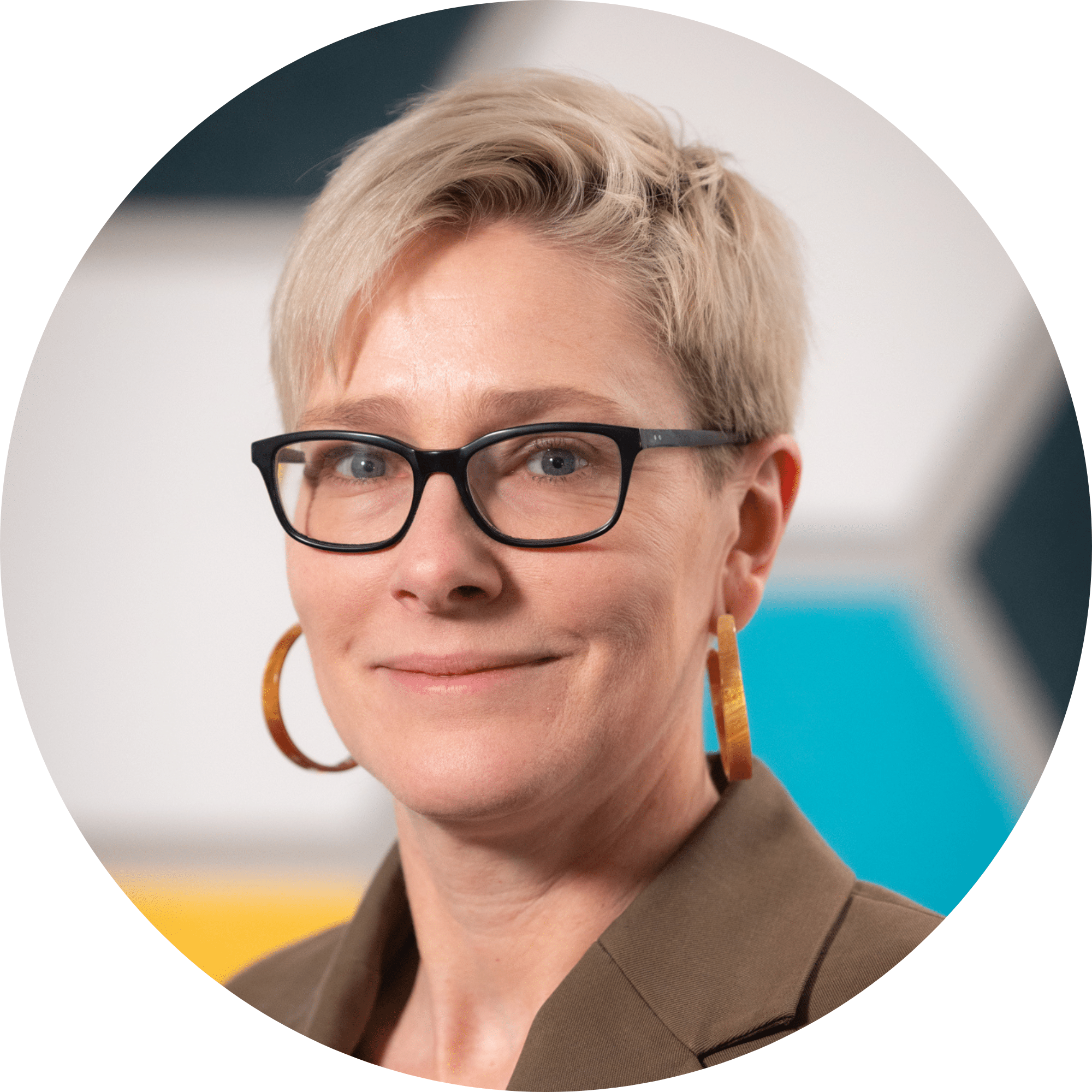
Andi Gillentine (Moderator)
VP, National Accounts
Findhelp

Stephanie Brown
MPH, MSL
President & Executive Director
CRISP DC (Washinton, D.C.)
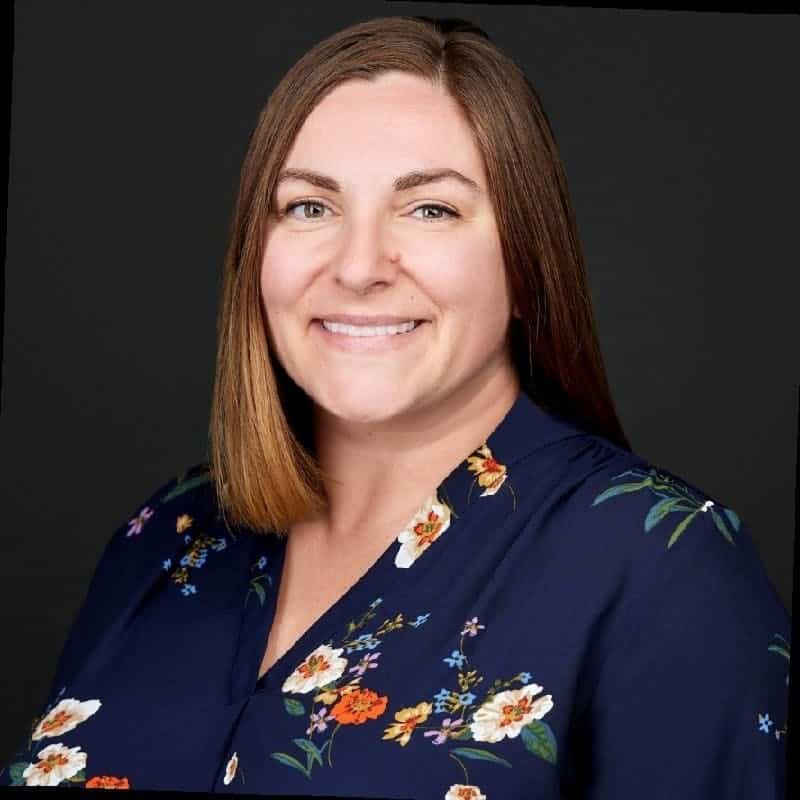
Leslie Goodyear-Moya
MBA, MA
Sr. Advisor, Strategic Initiatives
Manifest MedEx (California)
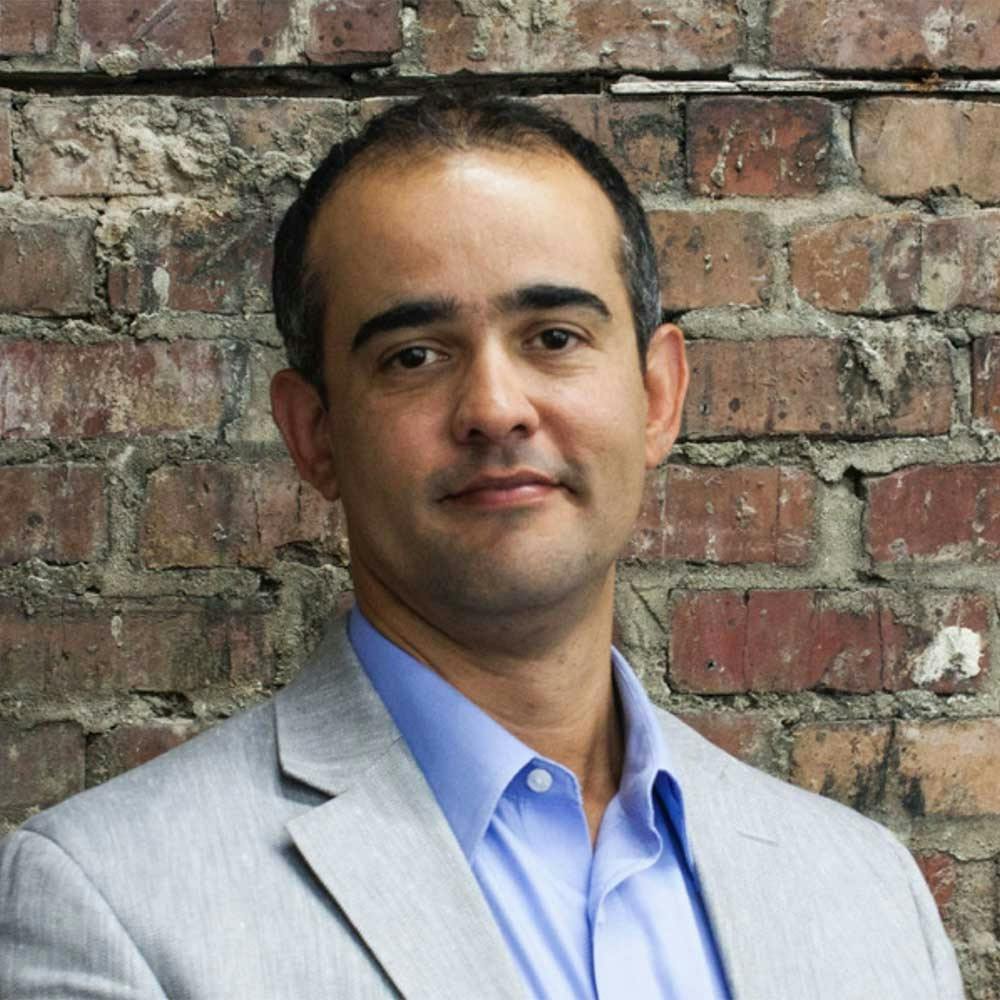
Eliel Oliveira
MS, MBA, FAMIA
Chief Executive Officer
Connxus (Texas)
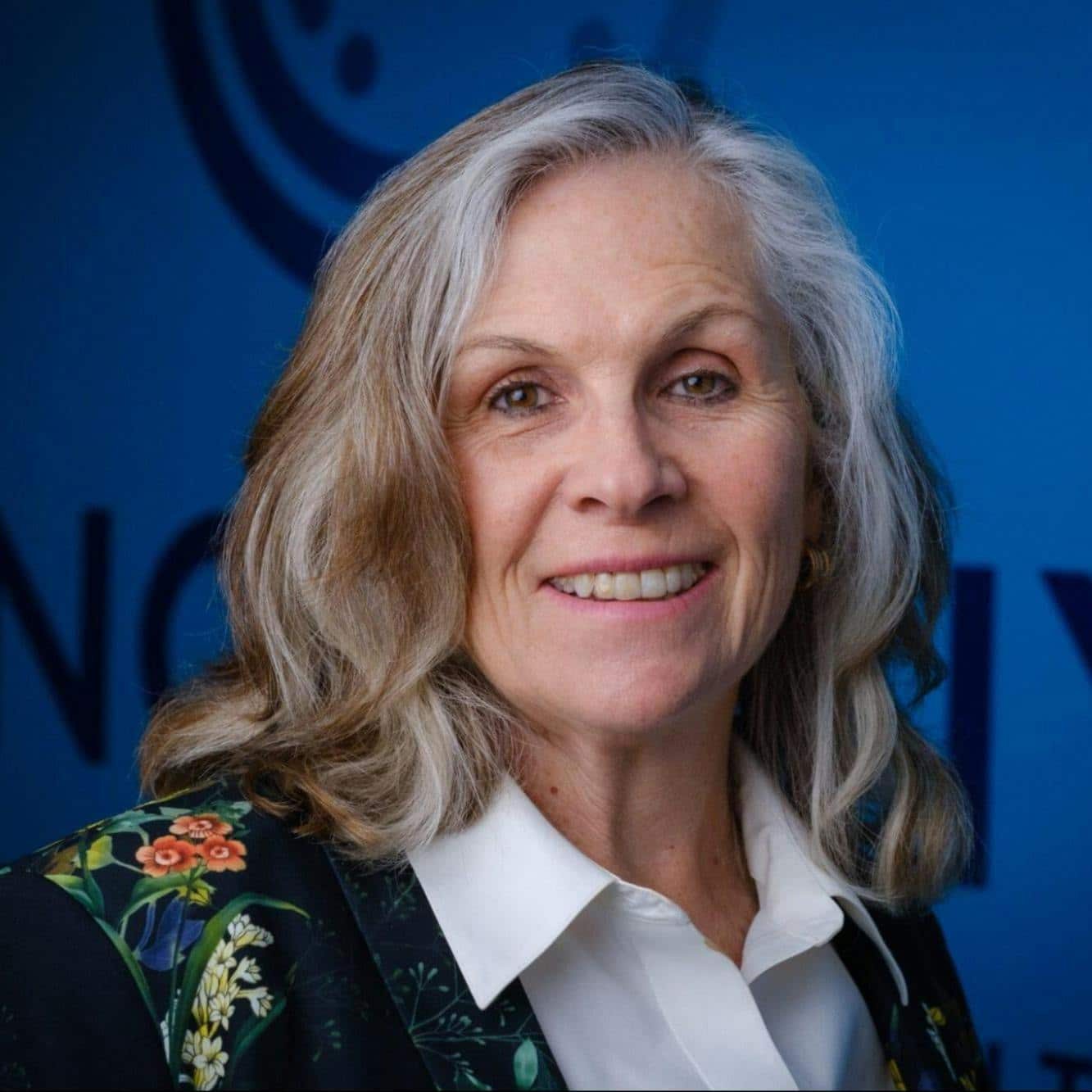
Terri Stewart
MS HCA, MT
Chief Executive Officer
SYNCRONYS (New Mexico)
Laura Young
Executive Director
Converge Health Iowa
Key takeaways from the discussion
1
Mandates vs. voluntary coalitions: Navigating local policy
A core theme of the roundtable was how local policy dictates the starting point of clinical and social care data exchange conversations. In California, the Data Exchange Framework (DxF) creates a sweeping top-down mandate. Meanwhile, in states like Texas, HIEs rely on a voluntary, relationship-driven approach. Both models present unique advantages and distinct operational hurdles.
“When we talk to a provider or a health plan about data exchange, the conversation starts from place of need rather than a place of nice to have. And that’s a genuinely different dynamic than building a voluntary coalition from the ground up.”
Leslie Goodyear-Moya
Senior Advisor, Strategic Initiatives
Manifest MedEx (California)
Conversely, operating without a top-down mandate forces networks to be highly agile and user-focused, though it can leave a guidance vacuum.
“We have that freedom to work on the things that our key partners, our key hospital systems, FQHCs, and mental health authorities are interested in doing, and focus our time in solving that as opposed to dealing with mandates. But then we sometimes feel that we are missing some direction.”
Eliel Oliveira
Chief Executive Officer
Connxus (Texas)
2
Meeting partners where they are: Integrated workflows
Whether an HIE is in a rural or urban setting, the consensus is clear: a successful social care data exchange strategy cannot rely on simply handing out passwords. Technology must adapt to the established day-to-day operations of clinical teams and community-based organizations (CBOs).
“It isn’t enough to just get people logins right to a system. It’s got to be a natural convening around use cases that matter to everybody.”
Laura Young
Executive Director
Converge Health Iowa
Achieving this requires deep technical flexibility and a commitment to being vendor-agnostic to handle disparate software systems seamlessly.
“Everyone has different vendors and historical workflows and new workflows… [we have to be] completely vendor-agnostic. So that is obviously a hurdle when we have a lot of different ways we need to receive data from a CSV to a PDF to an API.”
Stephanie Brown
President & Executive Director
CRISP DC (Washington, D.C.)
3
Absorbing the technical burden of messy data standards
Social care data can be unstructured and fragmented, arriving via checkboxes, plain text, or custom internal codes. While emerging national frameworks like the Gravity Project offer a standardized coding vocabulary, many CBOs lack the infrastructure to adopt them immediately. The panelists agreed that HIEs must bear the brunt of data normalization.
“Currently, any social care data we receive, we’re thankful for, and we do our best to map it into a standard format while we’re working on implementing better solutions.”
Terri Stewart
Chief Executive Officer
SYNCRONYS (New Mexico)
By taking on the heavy lifting in the background, HIEs shield frontline providers from technical complexities so they can focus entirely on patient care.
“Not every participant has the technical capacity to conform to structured standards independently. Our job as a health data utility is to absorb that complexity so that we run faster, and the standard becomes something that we can achieve together.”
Leslie Goodyear-Moya
Senior Advisor, Strategic Initiatives
Manifest MedEx (California)
“…give me all the data that you have regardless of standards and I will get that in the hands of the providers who are who are providing the care and their care teams. Because if you ask a provider in the District, the majority of them don’t know the standards… We’re doing that work in the background with the people who focus on those standards.”
Stephanie Brown
President & Executive Director
CRISP DC (Washington, D.C.)
4
Navigating the future of AI, privacy, and emerging technology
As the industry anticipates massive updates to technical infrastructure, the panel touched on how artificial intelligence (AI) and modern APIs (like FHIR) will shape the future. While AI holds promise for reducing administrative burdens, the panel voiced strong notes of caution regarding data quality and clinical decision support.
Additionally, the transition to modern frameworks means long-term scalability must be considered immediately.
“Make no mistake that the future in health care is gonna be through application program interfaces [APIs], through FHIR… But that’s not how the data moves today… just keep that in mind that some of the work that you may be doing may not be scalable and reutilized in the future. If it’s not thought through, it may be lost over time.”
Eliel Oliveira
Chief Executive Officer
Connxus (Texas)
5
Closing call to action: Don’t go it alone
To close out the roundtable, the panelists shared their ultimate calls to action for health plans, executives, and community leaders aiming to integrate social care data without creating operational friction.
- Build collaborative data networks: Do not attempt to stand up siloed data networks independently. CBO networks require continuous maintenance, relationship building, and trust.
- Design solutions with your community: Co-design data exchange solutions alongside the people who will actually use them on the ground.
- Leverage existing HIE infrastructure: Connect directly with your regional or state HIEs to tap into existing legal trust frameworks and technical expertise.
“Trust is foundational for data sharing. And these health plans and health systems that you talked about, I think they need to find or build networks where there’s already trust, identify perhaps one use case of what they’re trying to do with social data, and then really work with their network and call their HIE or their health data utility and work together to build what they need with their community providers at the table.”
Terri Stewart
Chief Executive Officer
SYNCRONYS (New Mexico)
The importance of a trusted, secure partner
If you’re interested in how Findhelp can support your social care data exchange — whether you’re an HIE, health system, CBO, payer, or state agency — we’d love to talk.