











West Virginia Social Care Summit: Highlights from the Mountain State
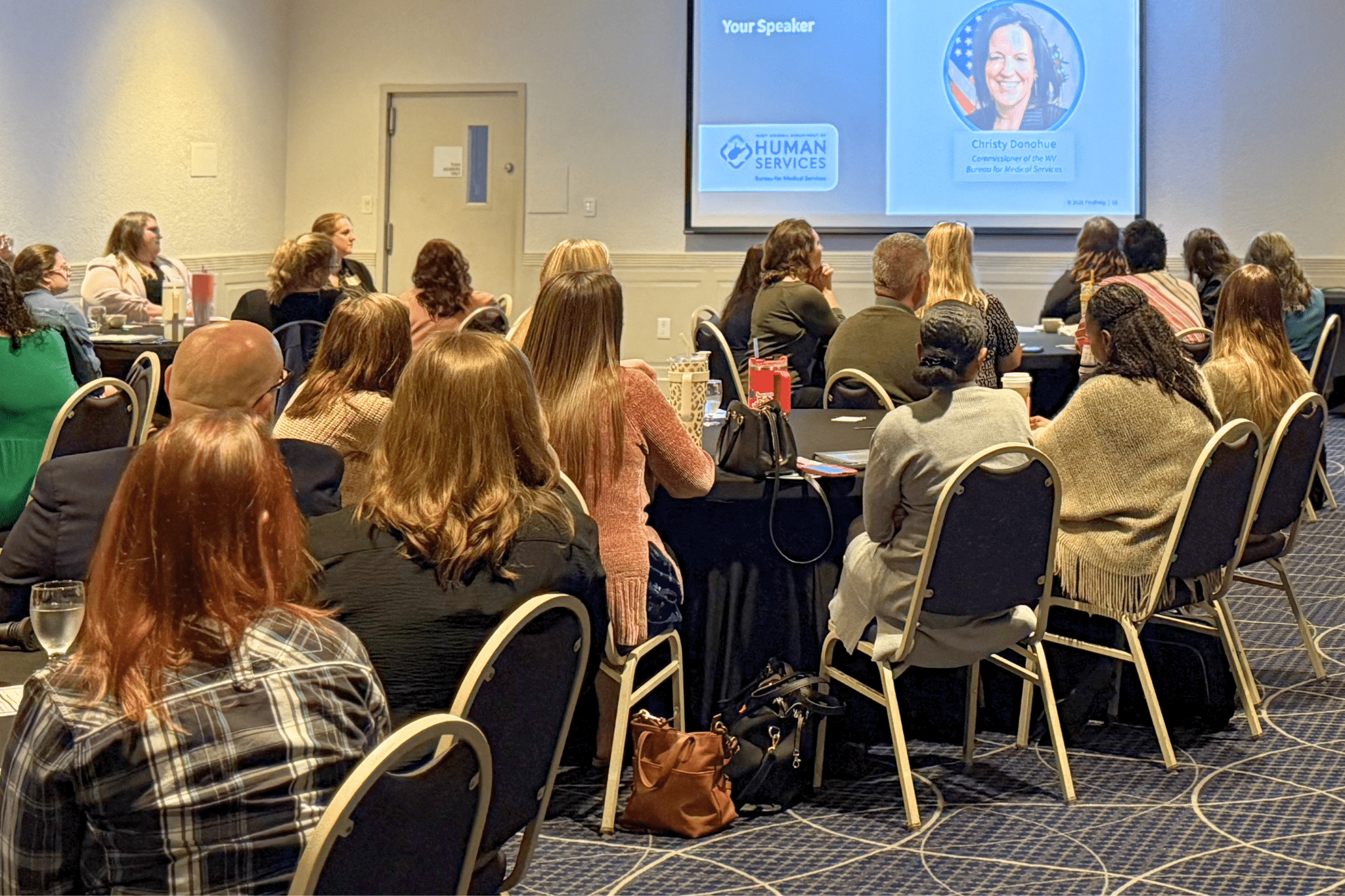
Across West Virginia, healthcare providers, community organizations, state leaders, and advocates are working toward a shared goal: building a more connected, person-centered system of care. At the West Virginia Social Care Summit, speakers explored how Medicaid transformation, integrated technology, cross-sector collaboration, and community partnerships can increase connection and improve outcomes for people across the state.
Read on for key takeaways:

Integrated infrastructure is essential to whole person care. Speakers emphasized that successful social care transformation requires coordinated technology, shared workflows, strong partnerships, and sustainable investment.
Relationships remain at the center of care coordination. While data sharing and interoperability are critical, panelists repeatedly highlighted the importance of trust, local partnerships, and community-based follow-up.
West Virginia is building a connected ecosystem. From statewide referral networks to HIE expansion and community care hubs, organizations across the state are aligning around shared goals for social care delivery.
A special thank you to everyone who joined us and to our fantastic speakers for sharing their insight, experiences, and vision.
Highlights from the 2026 West Virginia Social Care Summit
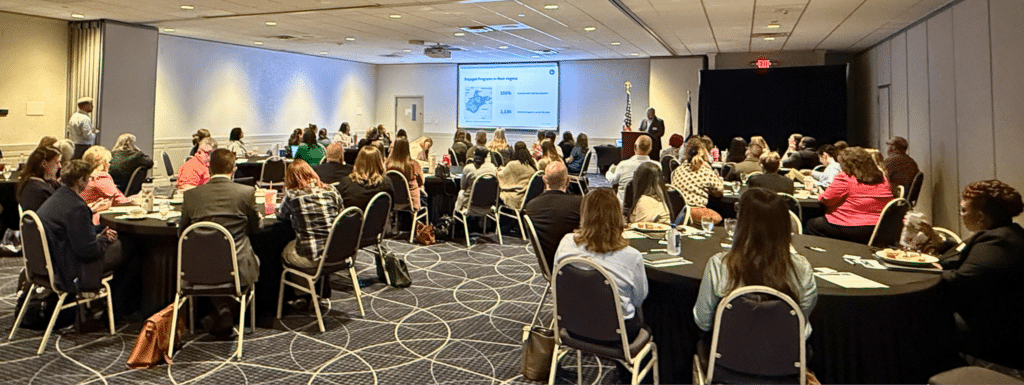
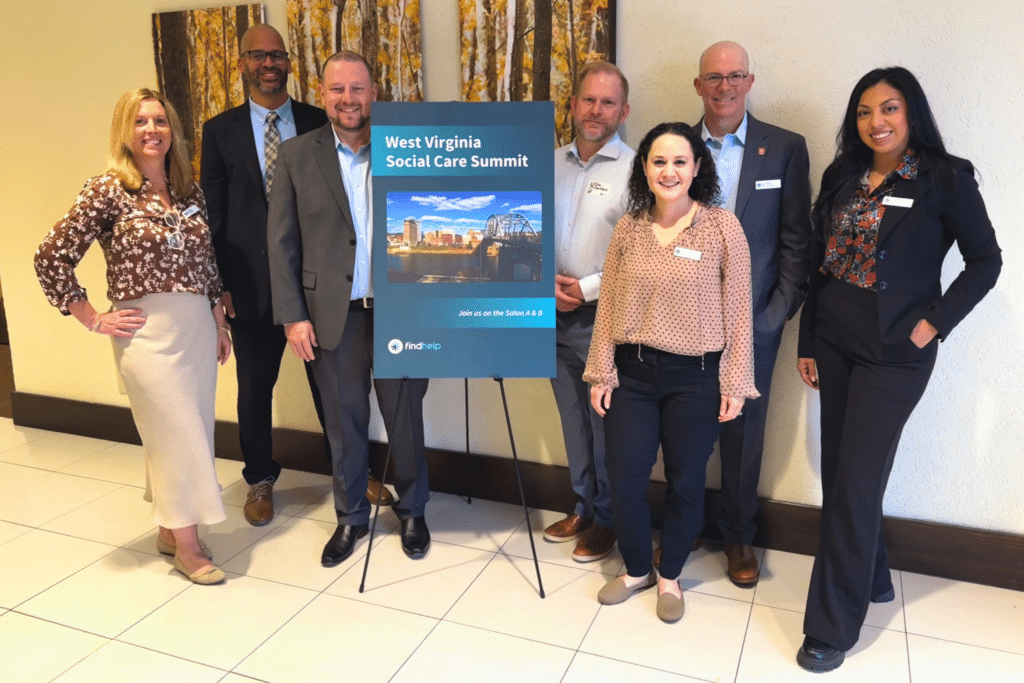
This year’s Summit featured 70 participants representing government agencies, healthcare providers, community organizations, and more:
Below are some of the key themes and takeaways from a day of learning and sharing.
Medicaid as a catalyst for statewide transformation
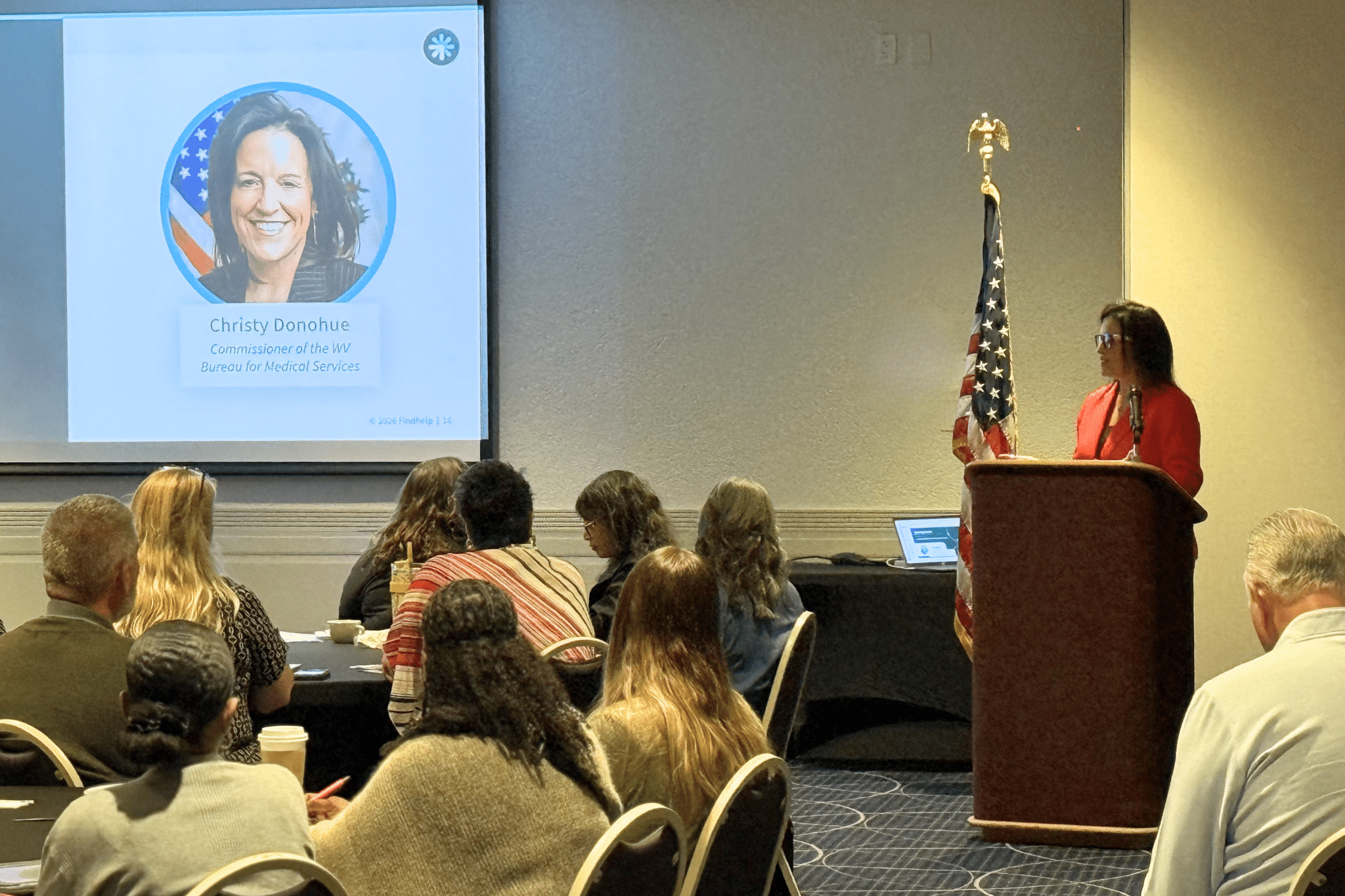
Opening the summit, Christy Donohue, Commissioner of the WV Bureau for Medical Services, discussed how West Virginia Medicaid is helping drive a more coordinated and person-centered approach to care across the state. The conversation focused on how policy direction, partnerships, and statewide priorities are advancing integration between healthcare and social services to improve outcomes for West Virginians.
The keynote framed a recurring theme throughout the day: transformation requires alignment between healthcare, government agencies, and community organizations to create sustainable systems of support.
A vision for an integrated West Virginia safety net
During West Virginia’s Connected Future, Findhelp’s Sr. Director of Healthcare & Public Policy Carla Nelson emphasized the importance of infrastructure and long-term investment in building sustainable social care systems.

“You can’t do the work without infrastructure, dollars, and investments.”
Carla Nelson
Sr. Director of Healthcare & Public Policy
Findhelp
Carla discussed how workflows, partnerships, and shared data are foundational to reducing fragmentation across systems of care. She described Findhelp’s infrastructure as a “single source of truth for social care” and highlighted the broader evolution of connected systems that now include government benefits, social care fulfillment, specialty networks, and integrated ecosystems designed to support whole-person care.
The session also explored emerging innovations, including AI-powered assistance tools designed to improve how people search for and access services. Audience questions focused on interoperability, referral management, and improving communication between providers and community organizations.
From policy to practice across West Virginia
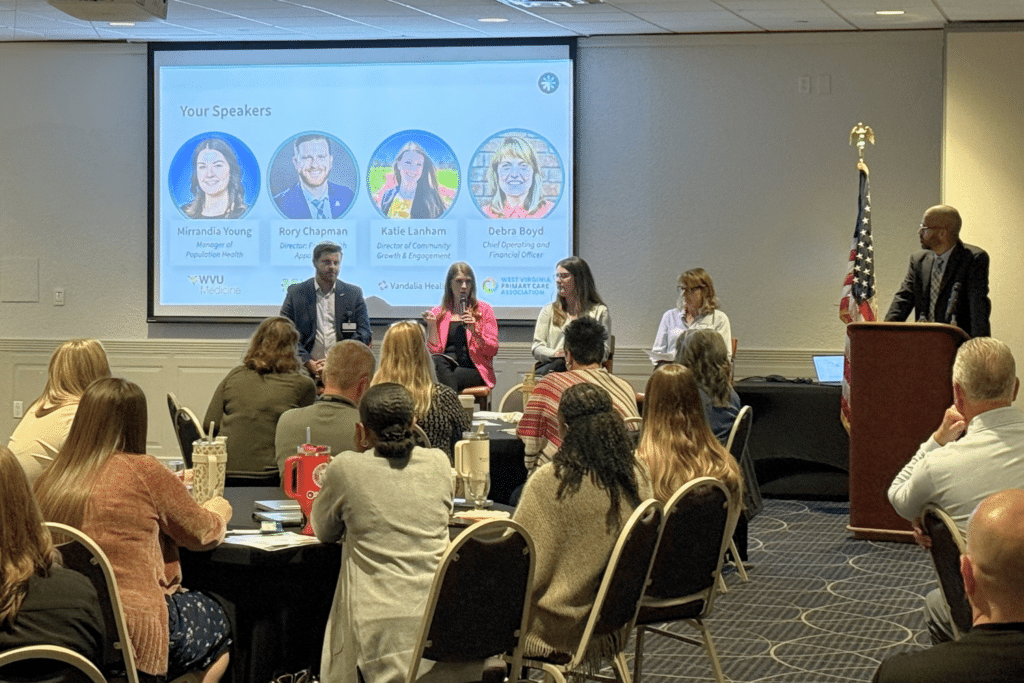
A panel featuring Mirrandia Young of WVU Medicine, Rory Chapman of Marshall Health, Katie Lanham of Vandalia Health Network, and Debra Boyd of WV Primary Care Association explored how organizations across the state are operationalizing social care coordination.
Panelists discussed the administrative burden caused by inconsistent reporting requirements, the challenges of closed-loop referrals, and the importance of creating standardized approaches while still respecting local community workflows.
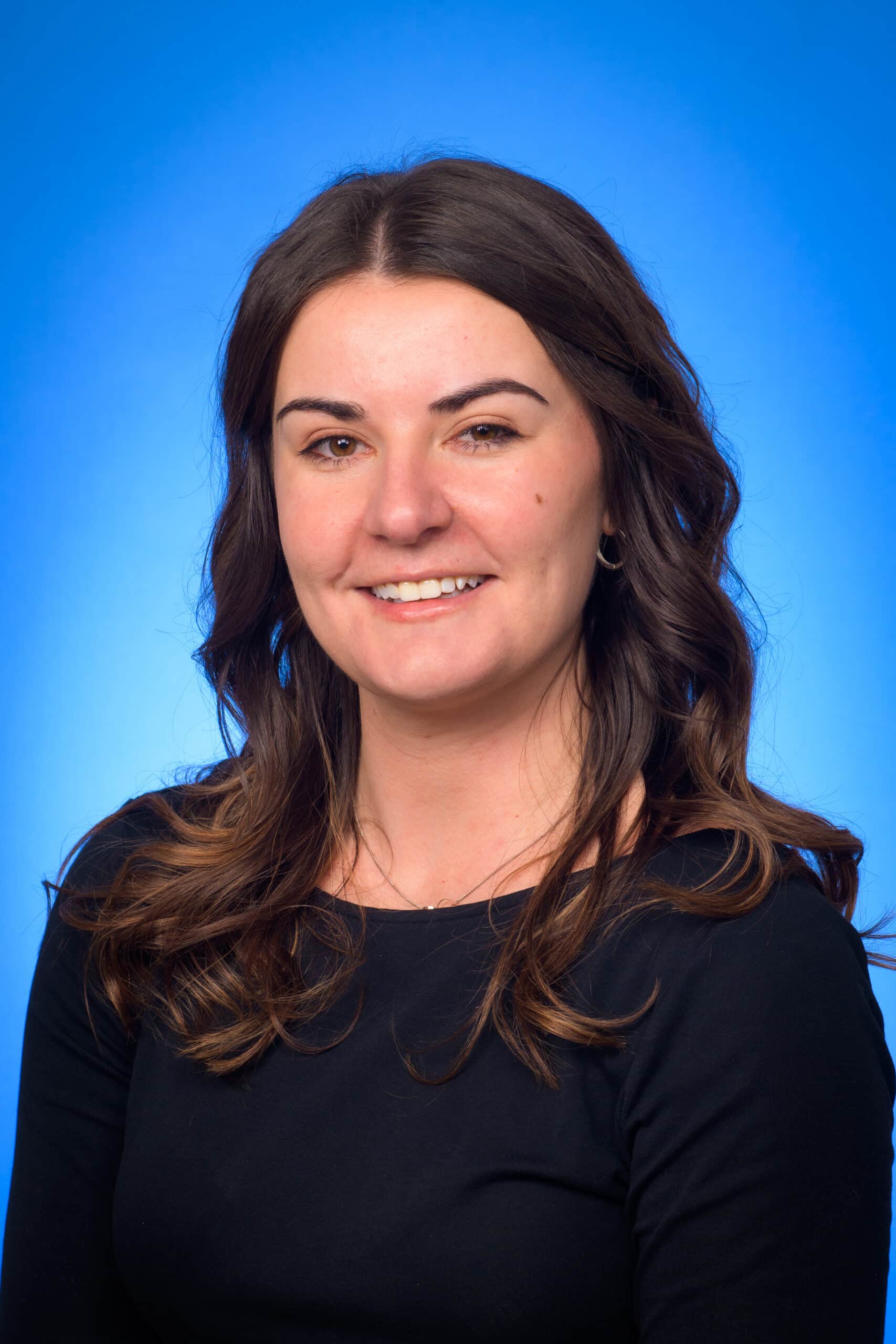
“This is a very complex thing to try and figure out. Screening is important, but you can not just screen and leave it there. It is shown to be more hurtful to screen and not do anything with it than to not screen in the first place… Not everyone needs the same level of intervention, give people self-help tools and for those that need more help, ensure they get the right help when they need it.”
Mirrandia Young
Manager of Population Health
WVU Medicine
The discussion repeatedly returned to the importance of partnership and shared goals. “What do we all have in common is that we want people to have healthier lives,” said Rory. Speakers also highlighted the realities patients face after discharge and the need for stronger community coordination once individuals leave healthcare settings. “Patients get really lost once they leave the hospital,” Mirrandia explained.
The panel emphasized that while technology can support coordination, local organizations and trusted community relationships remain central to effective care delivery. They also discussed the opportunities presented by the Rural Health Transformation Program and the growing momentum around social care integration statewide.
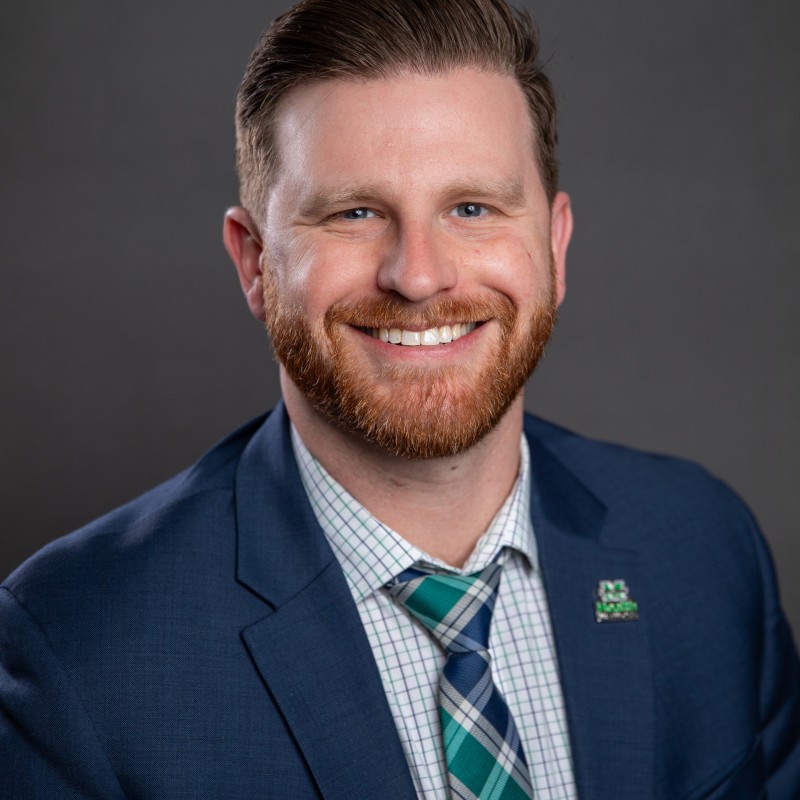
“Any time you talk about standardizing anything in social care, you need to talk about the local organizations.”
Rory Chapman
Director, FaithHealth Appalachia
Marshall Health
WV Department of Health: Scaling across systems
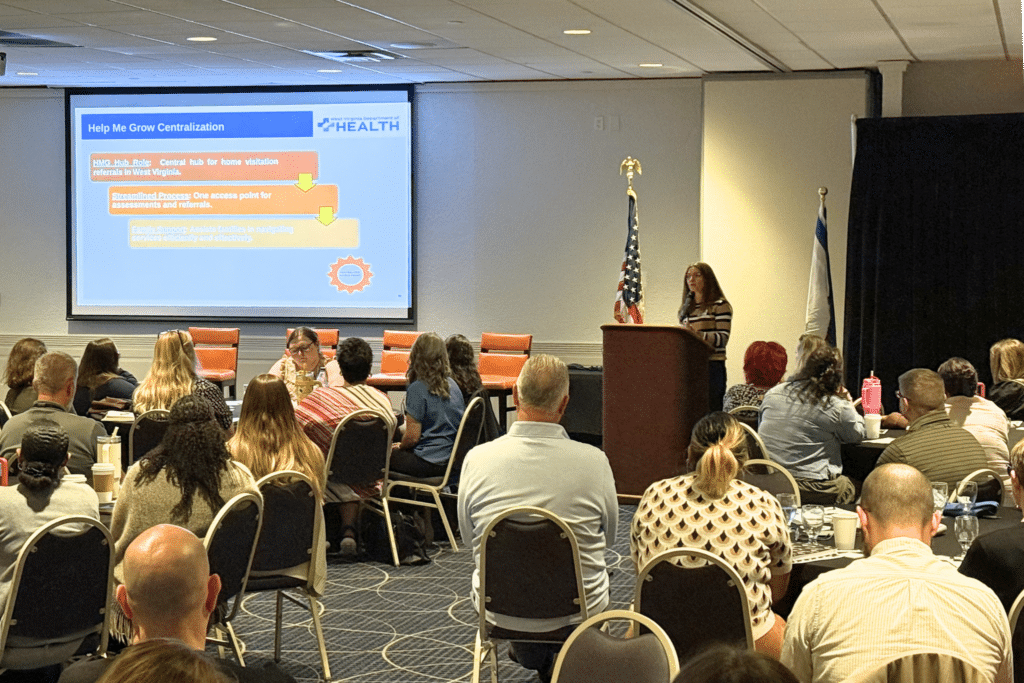
LeeAnn Blankenship of the West Virginia Department of Health shared how Help Me Grow and West Virginia Connections (powered by Findhelp) are supporting families and strengthening statewide coordination efforts. LeeAnn explained that Help Me Grow functions not simply as a program, but as a system designed to connect families, providers, and community resources through centralized access and navigation support. “Every child deserves the best start, and families thrive when communities work together,” says LeeAnn.
Since beginning work with Findhelp in 2022, the initiative has expanded its centralized access model. West Virginai Connections now supports cross-sector referrals across early childhood, public health, clinical, and community-based organizations. Blankenship highlighted the importance of human-centered navigation alongside technology-enabled coordination.
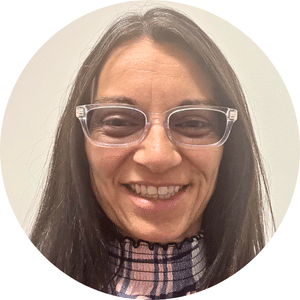
“You can’t just reduce barriers with an email.”
LeeAnn Blankenship
Help Me Grow Coordinator
West Virginia Department of Health
The session emphasized the value of direct outreach, relationship building, and listening closely to families and community partners to improve referral processes and care coordination.
Building connected communities through collaboration
The West Virginia Social Care Summit concluded with a session led by Findhelp’s Marc Coppedge. He highlighted practical strategies for strengthening community collaboration across West Virginia counties.
The interactive session demonstrated how organizations can use shared infrastructure, personalized search folders, and coordinated resource networks to streamline collaboration and improve access to services across local communities.
Throughout the day, one theme remained consistent: meaningful social care transformation depends on bringing organizations together around shared goals, shared infrastructure, and shared accountability for improving outcomes.
As speakers across healthcare, public health, Medicaid, and community organizations reinforced, West Virginia’s path forward is not about replacing relationships with technology. It is about using connected systems to strengthen those relationships and ensure people can access the care and support they need.
Beyond the Summit: Our work in West Virginia
The same day as the Summit, our CEO Erine Gray was interviewed by local TV station MetroNews. He discusses Findhelp’s footprint in West Virginia, a surprising data trend in Parkersburg, and why a staggering 90% of successful connections on the Findhelp platform come from local churches and civic organizations rather than government programs.
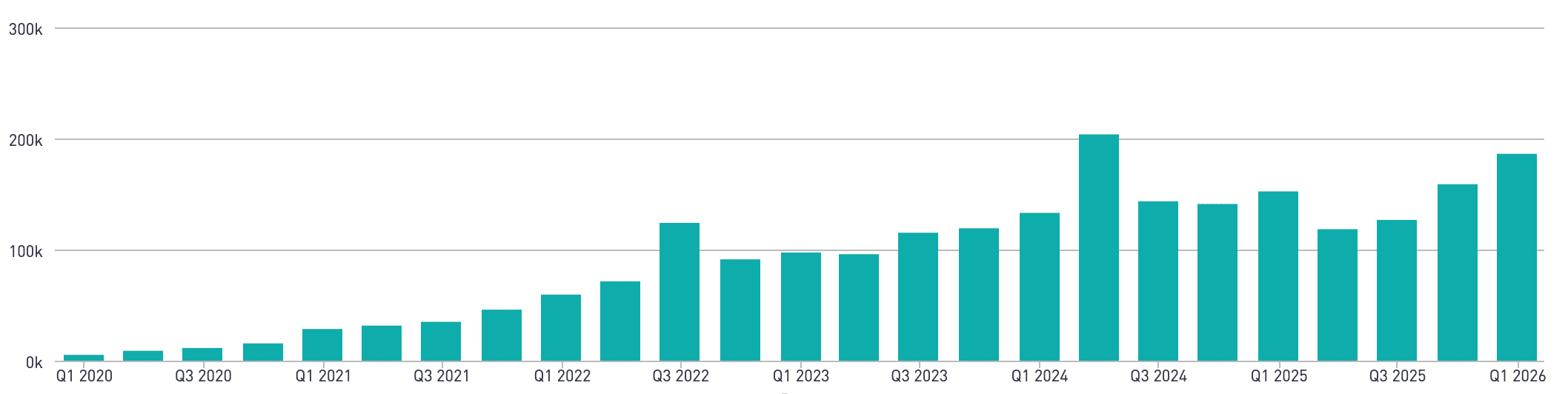
Some numbers that show the scale and momentum
While the Summit provided a rich day of insight and connection, the real work continues — in homes, clinics, schools, and community hubs across the state.
- 4,892 listed programs serving West Virginia
- 1 million users across the state
- 2.4 million searches for resources
- 100% of counties have claimed programs
As of May 2026, we partner with more than 25 customers throughout the state. They use the Findhelp platform to connect their patients, members, students, constituents, and clients to local resources. Our data and analytic tools can identify gaps in services and provide actionable insights to inform strategy and public policy.
Let’s keep the conversation going
The conversations at the West Virginia Social Care Summit made one thing clear: the future of whole person care depends on connected communities, shared infrastructure, and organizations willing to work together across traditional boundaries.
From Medicaid leaders and health systems to community organizations and care navigators, attendees highlighted both the urgency and the opportunity to build systems that reduce fragmentation and improve outcomes for West Virginians. We’re grateful to everyone who joined the conversation, shared their experiences, and continues to move this work forward across the state. Let’s keep building a more connected future together.
If you’re interested in how Findhelp can support your work — whether you’re a health system, community-based organization, payer, or state agency — we’d love to chat.