



Meeting the Mandates: Powering California HRSN Service Delivery

The clock is ticking. By July 1, 2025, Managed Care Plans (MCPs) must implement Closed-Loop Referral System (CLRS) requirements for California HRSN service delivery as part of CalAIM. These new mandates aren’t just about compliance; they’re about improving member outcomes by ensuring referrals don’t fall through the cracks.

At Findhelp, we’ve been supporting MCPs from the start of CalAIM, continuously enhancing our platform to keep pace with evolving requirements. We’re ready to help you stay ahead of the deadline—ensuring smooth, efficient implementation before the July 1 readiness milestone.

Read on to learn:

  • What is CalAIM?
  • New requirements for 2025: how we can help MCPs meet California HRSN service delivery mandates
  • Successful case studies from Health Net and Blue Shield of California’s Promise Health Plan
  • The future of Findhelp’s ongoing support for California organizations across industries


CalAIM: California Advancing and Innovating Medi-Cal

Section 1115 of the Social Security Act gives states flexibility to design and improve their Medicaid programs by providing waivers authorizing experimental, pilot, or demonstration projects. These projects are often focused on addressing Medicaid enrollees’ unmet health-related social needs and downstream health impacts. 

On January 1, 2022, the California Department of Health Care Services (DHCS) launched the California Advancing and Innovating Medi-Cal (CalAIM):

  • CalAIM is a five-year plan to make Medi-Cal more equitable, coordinated, and person-centered, steered by the Population Health Management Policy Guide
  • It focuses on addressing complex care for high-needs populations, such as individuals experiencing homelessness, serious mental illness, or substance use disorders, or children involved in the child welfare system
  • Designated navigators coordinate members’ physical and behavioral care, as well as access to critical social services
Findhelp supports DHCS's new California HRSN service delivery mandates

Through services such as Asthma Remediation and Housing Navigation Support, CalAIM encourages Medi-Cal managed care plans to address social determinants of health (SDoH) and offer preventative upstream interventions.


What’s changing in 2025?

New requirements demand that MCPs and providers track and verify social care referrals while exchanging real-time data to improve care coordination. 

  • More Service Categories: DHCS has expanded the number of referral categories requiring closed-loop tracking.
  • Stronger Referral Accountability: MCPs must track, support, monitor, and verify that referrals result in a Known Closure—ensuring members actually receive the services they need.
  • New Data Collection Requirements: MCPs must report specific referral data, requiring seamless technology to capture, manage, and analyze this information.


How Findhelp helps health plans succeed

Findhelp is already positioned to help California meet these goals—connecting millions to essential services while ensuring every referral is accounted for. As the State moves to strengthen its health and social care integration, we’re stepping up to power the state’s latest closed-loop referral (CLR) and data-sharing initiatives.

  • Turnkey CLR Compliance — Our platform is built to handle eligibility verification, referral tracking, and Known Closure reporting, ensuring you meet every CLR requirement.
  • Seamless Integration — Works with your existing systems, minimizing disruption while maximizing efficiency.
  • Proven CalAIM Expertise — We’ve been at the forefront since day one, refining our platform based on real-world MCP needs.
  • Data Capture and Reporting — Out-of-the-box reports capture dedicated fields for required data elements and minimum data set (including closed-loop referral status), and data warehouse connections support custom reports.


Findhelp’s Comprehensive CalAIM Workflow

Our platform supports flexible workflows based on your preferences and system of record. First, member eligibility and service eligibility are verified. Then, referrals are made for authorized services to contracted providers, who share data, outcomes, and invoices back to the managed care plan.

Findhelp's CalAIM workflows to support California HRSN service delivery
An example end-to-end CalAIM workflow with Findhelp


Real results from California customers

Findhelp partners with MCPs across the state to support California HRSN service delivery. We enable MCP staff and Enhanced Care Managers (ECMs) to confirm eligibility and order more than 445 different social services from community partners. Through the Findhelp platform, ECMs and other Navigators assess members and order services based on state-mandated eligibility criteria, and contracted providers bill and receive payments for their services.

Health Net

Health Net works with Findhelp to manage their Community Supports (CS) Provider referrals and Enhanced Care Management (ECM) workflows. Their CalAIM platforms allow for end-to-end referrals in tandem with existing workflows in their internal care management system and provider portal.

Health Net has a mixed workflow: ECM checks Findhelp for eligibility using our eligibility search functionality, powered by Health Net’s roster file, and CS Providers navigate people to services using the Findhelp network.

Findhelp onboarded more than 150 of Health Net’s CS Providers to accept and respond to referrals.  We work with Health Net’s staff and contracted ECM providers to provide ongoing training, office hours, and general support:

Hosted in-person events as well as virtual sessions

Send quarterly newsletters to CS Providers 

Survey CS Providers to seek feedback


Blue Shield of California’s Promise Health Plan

Blue Shield of California Promise Health Plan is a managed care organization, wholly owned by Blue Shield of California, offering Medi-Cal plans. In support of CalAIM, they’re focusing on community county social service agencies and county First 5s.

Blue Shield California partners with Findhelp to implement CalAIM referrals in LA County:

Prioritizing community engagement and partnerships
Findhelp integrations with their care management system and provider portal
Closed-loop referrals to county-based programs, in tandem with existing workflows


Trusted by California organizations the state

More than 80 health plans, health centers, hospital systems, nonprofits, employers, government agencies, and educational institutions around the state partner with Findhelp as a trusted social care vendor. 


Future proofing your CalAIM strategy with Findhelp

The CalAIM landscape is evolving, and so is our platform. We are continuously expanding our capabilities to keep pace with state policy updates—so you can stay compliant, streamline operations, and deliver better care. Here’s how we’re enhancing our support to make CalAIM compliance easier than ever:

Claims & Reimbursement Workflows

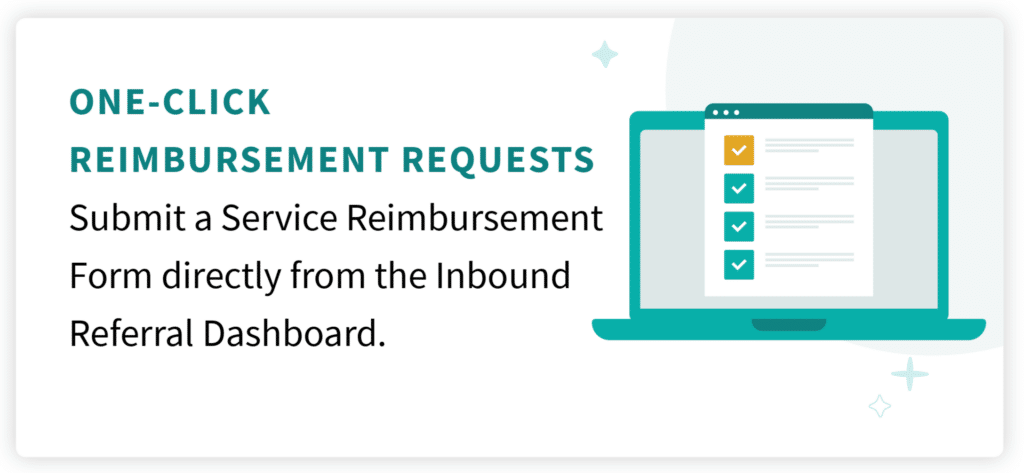
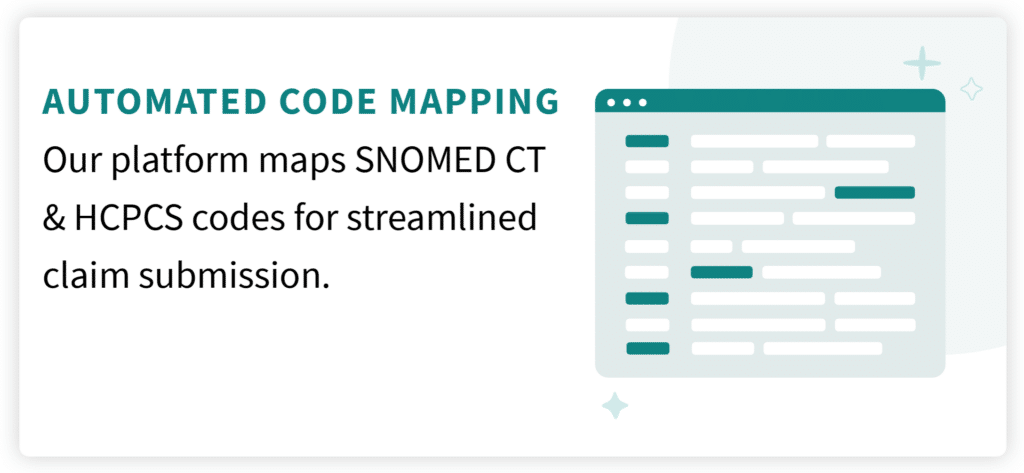
Managing CalAIM Community Supports & ECM reimbursements just got easier. Our new claims and reimbursement workflow ensures seamless payment processing for contracted providers:

Seamless Integrations & APIs

We’re building stronger connections between MCPs, providers, and technology platforms to enhance care coordination and close referral loops faster:

  • TruCare & Salesforce Integration – Streamline workflows by syncing with leading care management systems.
  • HarmonyHealth Text Messaging – Direct seeker outreach via SMS helps engage individuals and increase referral closure rates.
  • Expanded Eligibility APIs – Reduce manual work for MCPs and contracted providers with automated eligibility verification and file ingestion.


Don’t Wait—Stay Ahead of the Deadline

The new CLR mandate is an opportunity to enhance care coordination and health outcomes—but only if you have the right technology and workflows in place. With Findhelp, you’ll not only meet compliance requirements but also drive better health outcomes for Medi-Cal. 

We’re committed to keeping you ahead of regulatory changes while making CalAIM implementation as seamless as possible. Whether it’s reimbursement processing, referral tracking, or system integrations, Findhelp has the technology and expertise to support your success.

Schedule a demo with us to see how we can partner with your organization to support members through CalAIM.


Findhelp’s Integrations into Epic: Support Patient Care and Drive Health Outcomes

Every day, care teams struggle to connect patients with vital social services—housing support, food assistance, transportation—because existing workflows are slow, disconnected, and burdensome. What if social care referrals were as easy as ordering a lab test? With Findhelp’s deep integrations into Epic™, they are. You can create simple pathways that save your staff time and effort, while keeping information inside the EHR, where it belongs.

Read on to learn:


Flexible, configurable workflows that simplify care and reduce clicks 

Healthcare teams are stretched thin. Findhelp’s Epic integration seamlessly embeds social care workflows into your existing system. Findhelp offers three different integration options with Epic, plus the ability to support patient self-navigation through MyChart. Eliminate double data entry and manual tracking of patient needs. Access the Findhelp platform in both native and SMART on FHIR methods, tailored to support different workflows. 

SMART on FHIR Launch Integration: Experience a fully closed-loop workflow using our Launch integration, where the entire Findhelp application is embedded within Epic.
Healthy Planet Native Integration: Search for services that meet your patients’ social needs using native tools and workflows in Epic Healthy Planet. 
Native+ Integration with Compass Rose: Conduct native search and referral workflows using Epic Compass Rose or Clinical Case Management (CCM) modules. 
MyChart Integration: Give patients the ability to search with dignity and ease by adding your branded community site to MyChart


April 16 | Get the most out of Epic and Findhelp

Imagine a world where connecting patients to the social care they need is as simple as ordering a lab test—no extra logins, no clunky workflows, just seamless integration directly in Epic. Join us on April 16 for a free virtual discussion where we’ll show you how this is possible. Learn how to get the most out of Findhelp’s integrations into Epic™ and drive real impact for your patients and organization.

In this webinar, we’ll explore:

Join our live discussion to learn about Findhelp's integrations into Epic.


Whether you’re a current Findhelp customer or looking to learn more about Findhelp’s capabilities, this webinar is for you.


Real results: Health systems closing the loop with Findhelp + Epic 

See how a handful of our Epic customers have achieved results and improved health outcomes by optimizing our integrations.

An 86% closed-loop rate in the first 6 months

NYC Health + Hospitals implemented Findhelp’s Automated Program Recommendations and Assessment-Informed Launch integrations in Epic, so staff can seamlessly provide tailored community-based organization (CBO) recommendations based on an individual patient’s social needs and send closed-loop referrals to local programs.

Read our case study >

An early adopter of Assessment-Informed Launch

Montefiore integrated Findhelp with Epic and invested heavily to support their SDoH strategy with Findhelp’s advanced Community Engagement Services. Montefiore was an early adopter of our Assessment-Informed Launch integration with Epic, and streamlined their navigator follow-up workflows by highlighting relevant programs for easy referral.

Learn how we support staff navigation >

MyChart integration drives patient engagement

Cooper University Health Care linked their branded version of Findhelp into MyChart to provide an easy, trusted access point for their patients to self-navigate for resources for themselves and their families. Cooper actively promotes Findhelp via the MyChart activity options menu and MyChart announcements feature, driving patient engagement with the platform. 

Learn how healthcare systems encourage self-navigation >


Trusted by Epic organizations nationwide

More than 140 academic medical centers, health systems, community hospitals, community health centers, and other providers have integrated Findhelp into their Epic system. 

Healthcare systems who use Findhelp's integrations into Epic.


Beyond the clinic: Engaging with community partners

At Findhelp, we partner closely with our customers to support their community engagement strategies. We help them build long-lasting relationships with partner community-based organizations (CBOs) to drive closed-loop referrals. Read on to see examples of how diverse hospital systems across the country use Findhelp’s integrations into Epic to inform their community outreach.


Arkansas Children’s Hospital (ACH)

A Findhelp customer since 2020, ACH’s success is due to incorporating their social care referrals and community engagement efforts into larger SDoH strategies, known as the First 100 Days Social Risk Factors. 

  • ACH’s  Community Benefits department regularly reaches out to CBOs, helps them claim their listings, and hosts training sessions or promotes Findhelp’s training options. 
  • Their Trusted Network of CBO partners has a 75% referral response rate.


Cedars-Sinai

Cedars-Sinai and Findhelp have been working together since April 2021 to improve patient and community health and develop a cross-departmental approach to connecting patients to supportive services. 

  • Cedars-Sinai regularly leads training sessions for community organizations in the Los Angeles region. 
  • They provide information, education, and one-on-one support for utilizing Findhelp’s free client management tools
  • The health system coordinates with value-partner organizations to develop and add programs to the Findhelp network.


Eskenazi Health

A Findhelp customer since 2020, Eskenazi uses a Findhelp + Epic integration to send more than 1,000 referrals a month to local CBO and FQHC partners.

  • Eskenazi employs dedicated ‘community weavers’, a blend of patient navigator and community liaison. 
  • Community weavers identify residents’ SDoH needs (in Epic), build relationships with CBOs, and send them referrals (via Findhelp). 
  • They are piloting a new program through their After Visit Summary in Epic that provides vouchers to local food programs
  • They continue to invest in programs like a traveling food pantry in a refurbished school bus


See Findhelp in action—book a demo today 

Connect with us to explore Findhelp’s integrations into Epic. Learn how you can seamlessly support your staff and patients, driving better health outcomes.


Unlocking Medicaid’s Potential: Drive Effective Government Strategies with Social Care Data

Like many of you, Findhelp is monitoring potential changes to Medicaid programs. Regardless of how these programs change, the fact remains that Medicaid will continue to play a meaningful role in providing healthcare coverage. As such, it is critical for Medicaid programs and agencies to have effective government strategies. That’s where social care data comes into play. 

Welcome to Part 2 of our Social Care Data Series, where Carla Nelson, Findhelp’s Senior Director of Healthcare and Public Policy, examines how Medicaid programs can collect and leverage social care data to drive strategy, decision-making, and community health.

Read Carla Nelson's social care data paper.


Medicaid programs and other government agencies are increasingly recognizing the critical role of social drivers of health (SDoH) in influencing health outcomes and costs. This is evidenced by work taking place in Medicaid programs across the country to identify and address health-related social needs (HRSNs). For example, 24 states are implementing HRSN waivers, while many others are using other funding mechanisms to drive whole-person care across their communities.

At Findhelp, we’re at the forefront of providing the social care data that can empower the development of more targeted and effective government strategies.

Read on to learn how:

  • States are collecting and standardizing social care data
  • Social care data promotes innovation and drives effective government strategies
  • Findhelp powers social care data collection, analytics and insights


Social care data collection

With ever-improving data collection, standardization, storage, and analytics capabilities, Medicaid programs are ready to ingest social care data. This additional information helps them better understand community needs and HRSN services that promote whole-person care. Findhelp’s platform is used by customers to support different approaches in Massachusetts, New York, and Michigan, among others.

Effective government strategies for social care - encourage data collection.
Incorporating social care data for effective government strategies - the incentivize approach.

This data collection continuum shows the different approaches that Medicaid programs are using to obtain social care data.


Efforts like the Gravity Project, a consensus-driven effort, and CalAIM’s new closed-loop referral reporting requirements are creating standardized data sets. This leads to improved analyses and understanding of needs, outcomes, what’s working, and what can be improved. 


Promoting Medicaid innovation and strategy

Here are just a few examples of what Medicaid programs can do with social care data:


Drive effective government strategies with Findhelp 

The Findhelp platform is used in several states to underpin social care service delivery. Tennessee, Pennsylvania, and Oklahoma (among others) contract with Findhelp to:


These states contract with Findhelp to incorporate social care data into effective government strategies.


Data for decision-making

These state partners will use aggregate data generated in Findhelp to support effective government strategies—reporting, planning, and future funding. De-identified search data can inform regional or statewide strategies and public health planning.

Findhelp creates powerful datasets by helping states join HRSN and healthcare claims data. This data can help inform investment decisions, rate increases, risk stratification, and other strategies. It also provides a comprehensive, population-level view. With Findhelp, State Medicaid programs can strengthen their healthcare safety net and work with healthcare and CBO partners to collect HRSN data and improve long-term health outcomes for members.

Download Findhelp's social care data paper


Bridge health and social care

Our platform provides an integrated and seamless closed-loop referral system that bridges the health and social care sectors. While social care data capabilities improve, organizations can take action now to understand community needs and plan for the future. 

Connect with us to learn how your organization can use social care data to identify strategies, make decisions, and assess performance.


People, Policy, & Technology: The 2025 Connect Summit

On May 7 & 8, 2025 we’re hosting our fifth annual user conference, Connect: A Social Care Summit! Free to attend, this virtual Summit will bring together 1,000+ leaders from social care, healthcare, government, nonprofits, and more. Register today to:

We’re bringing together leaders, policymakers, innovators, and advocates to explore the evolving landscape of U.S. social support systems. Join your peers as we power a better social safety net.

Register to attend the Connect Summit


The nation’s leading social care conference

The Connect Summit is Findhelp’s annual user conference, where our customers, partners, and network of community organizations come together to share ideas and best practices for innovating and improving social care. Each year, we bring together leaders from across industries to discuss strategic initiatives to help the most vulnerable members of our communities.

2025 Connect Summit Attendees


Something for everyone

Join us for live presentations, discussions, and actionable insights as we work to build resilient solutions to address today’s most pressing social care needs. With more than 40 sessions and keynotes to choose from, you can curate your Summit schedule to fit the needs of your organization—whether you’re just getting started with your social care strategy or looking to expand a successful program.

Sessions are organized across several themes:


Learn from 100+ expert speakers

At this year’s Summit, more than 100 speakers representing over 70 healthcare, government, and nonprofit organizations will share their expertise with attendees.

Connect Summit 2025 Speaker Organization Logos


Thank you to our sponsors


Want to get your brand in front of the leaders innovating the U.S. social safety net?

Join these organizations as sponsors of the 2025 Connect Summit.

  • Engage directly with key social care decision-makers
  • Showcase your leadership
  • Amplify your brand awareness
  • Be part of the movement to power a better social safety net
2025 Connect Summit _ Sponsorship Prospectus

Thank you to our platinum sponsor, SOMOS Community Care


We’re grateful for our Platinum Sponsor, SOMOS Community Care, for their support and collaboration leading up to the event. SOMOS is a network of over 2,600 culturally competent healthcare professionals who provide care to over 1 million patients in New York’s underserved neighborhoods. Their network comprises primary care physicians, specialists, behavioral health providers, pharmacies, community-based organizations.

As the designated Social Care Network covering the Bronx for New York’s 1115 health-related social needs (HRSN) waiver, SOMOS partners with Findhelp to further empower their CBO partners, create additional capacity around social needs screening, and deliver the state’s enhanced HRSN services to eligible populations.

Thank you to these additional sponsors:


Don’t miss out! 

Registration is free and open to the public—join us to collaborate and create lasting change.

Register to attend the Connect Summit


New Mexico Chooses Findhelp for Statewide Closed-Loop Referral System

We’re proud to announce that we’ve been awarded a contract with the New Mexico Health Care Authority (HCA) to roll out a state-wide closed-loop referral system (CLRS). This innovative CLRS will provide easy access for New Mexicans to address health-related social needs like food insecurity, housing, education, and others that ultimately affect an individual’s overall health. 


“We are thrilled to work with the HCA and organizations across New Mexico who have already made an enduring impact on how people connect to services that address the social determinants of health. Together we will build on these successes to ensure that all New Mexicans can efficiently and compassionately access social care services during their time of need.”

Erine Gray
Founder and CEO of Findhelp


Analytics for action: Addressing the needs of New Mexicans

The New Mexico HCA is a new agency that launched on July 1, 2024, merging the Human Services (Medicaid and safety-net programs) Department, the State Employee Benefits team, the Developmental Disabilities Supports Division, the Division of Health Improvement, and the Health Care Affordability Fund.

Findhelp’s closed-loop referral system will:

  • Provide analytics and tools to enhance how these state agencies serve their populations.
  • Help New Mexico leaders understand community needs (and how these change over time), as well as if and how people are receiving services
  • Support HCA’s goal to implement innovative technology and data-driven decision-making to provide unparalleled, convenient access to services and information

For example, the chart below shows searches in New Mexico over the past two years, broken down by social need category. Top needs in the state are related to food and housing, with financial assistance also high on the list. 


These insights will help the State identify local and statewide trends, track needs, and spot issues, enabling them to be proactive in helping more people – all while protecting user privacy. Informed by data, they can strategically allocate resources and tailor interventions.


“The New Mexico Health Care Authority is committed to improving access to services that help New Mexicans thrive. This initiative is a vital step in connecting communities to essential resources like housing, food, education, and more.”

Kari Armijo
Secretary of the New Mexico Health Care Authority


A long history of supporting New Mexicans

Findhelp has been partnering with New Mexico-serving organizations since 2018. We work with customers across the state, including Molina Healthcare, Optum Health, WellMed Medical Management, and Centurion Health.


New Mexicans trust Findhelp to connect them with the social care services they need. In the last few years, our platform has seen:


Over the past two years, the number of quarterly searches made by New Mexico residents on the Findhelp platform has increased 400%, showing a growing need for community resources.


“Studies show that health-related social needs account for a significant percentage of an individual’s overall health and wellness. That’s why a social care referral tool is so important when it comes to our ability to coordinate person-centered health care services and drive increased health outcomes for our customers.”

Dana Flannery
New Mexico Medicaid Director


Ready to support your communities

Findhelp continues to expand its relationships with more than 650 of America’s largest health plans, hospital systems, government municipalities, educational institutions, and cause organizations to address the social determinants of health (SDoH). Connect with our team to explore how you can bring social care to your patients, members, students, constituents, and communities.


Integrated Social Care Data: The Key to Unlocking Community Health

Welcome to Findhelp’s Social Care Data Series, where Carla Nelson, Findhelp’s Sr. Director of Healthcare and Public Policy, examines the role of social care data in whole person care and community health strategies. Part 1 describes the types of social care data available and their part in strategic investment and policy decisions. Future parts of this series will focus on how this data supports decision-making in specific sectors, including the healthcare providers and payer settings, government, education, and employers.

Read Carla Nelson's social care data paper.


$4.5 trillion—that’s how much the U.S. spends on healthcare each year. Yet chronic illness and poor health outcomes continue to be common in too many of the nation’s communities. Without clear visibility into community needs, healthcare organizations risk wasting millions on ineffective programs. Siloed, incomplete data slows policy adoption, weakens investment decisions and limits care coordination between providers and social services — leaving patients without the support they need.

In this paper, we discuss how integrated social care data with healthcare analytics can help organizations identify unmet needs, optimize resource allocation, and improve health outcomes.

You’ll learn how:

  • Combined datasets provide actionable insights, empowering organizations to identify unmet needs, allocate resources efficiently, and improve service delivery.
  • Social care data fills critical gaps in understanding community health. 
  • Technology can play a pivotal role in collecting, analyzing, and sharing this data.


The problem: Rising costs and slow-to-advance policy change

United States healthcare costs continue to rise, impacting every economic sector. In 2022, U.S. healthcare spending accounted for 17.3% of the country’s gross domestic product, with total spend reaching $4.5 trillion (source: CMS). Approximately 20% of these dollars flow through private health insurance companies, 15% through the Medicare program, including Medicare Advantage, and nearly 13% through Medicaid programs’ Federal and State shares. Of the healthcare dollars spent, 50% paid for hospital care and physician and clinical services. 

The nation’s health dollar ($4.5 trillion), calendar year 2022: where it came from

Source: Centers for Medicare & Medicaid Services, Office of the Actuary, National Health Statistics Group


The solution: Integrated social care data 

Data capabilities in all sectors are becoming increasingly sophisticated. Healthcare, government, community, and other business sectors are seeking more data, building data warehouses, and partnering with technologies that can help them understand the patient or constituent landscape. Social care data is a critical piece of the picture. 

This can include:

These data can be combined with healthcare claims data, insurance eligibility data, and publicly-available datasets to drive strategy and decision-making. 


Actionable insights

Using Findhelp’s native analytics, a state could review the searches for social care services conducted using the platform to better understand the needs across the state. Social care data from Findhelp can be analyzed in different ways (e.g. by user type or ZIP Code) to help decision-makers understand what resources may be lacking. These data can also be visualized to show searches overlaid with available social care programs that address the particular need.

Social care data mapping with Findhelp.
Example of searches on Findhelp’s platform for ‘food’, mapped to available programs


Improving data collection, aggregation, analytics, and use in the social care space will yield positive results for our communities. It contributes to:

As data standardization matures, data models and analyses will mature, enabling better, more accurate decision-making. 

Download Findhelp's social care data paper


Using integrated social care data to make decisions

Several states use the Findhelp platform to underpin social care service delivery, providing an integrated and seamless closed-loop referral system that bridges the health and social care sectors. While social care data capabilities improve, organizations can take action now to understand community needs and plan for the future. 

To learn how your organization can use social care data to identify strategies, make decisions, and assess performance, connect with us.


Watch | “Social Care in the Digital Age”: AI, SDoH Tech, & Interoperability

Last week we continued the conversation about the state of the modern safety net, in partnership with the LBJ School of Public Affairs at the University of Texas-Austin. “Social Care in the Digital Age”, season 3, episode 3 of American Compassion: The Safety Net Podcast LIVE is available now! This episode features leaders who are actively working to improve the experience of poverty and social care through technology and innovation.


Watch “Social Care in the Digital Age” from American Compassion: LIVE


American Compassion Season 3, Episode 3: Social Care in the Digital Age

Jaffer Traish, Chief Operating Officer at Findhelp, was joined by Emily Barey, Vice President of Nursing at Epic™, Sherri Greenberg, Assistant Dean and Professor of Practice at the LBJ School of Public Affairs, and Amy McCarthy, Chief Nursing Officer at Hippocratic AI. The conversation, moderated by Rebecca McInroy, highlighted the role of artificial intelligence, interoperability, and digital platforms in building a modernized social service landscape and using technology to manage data, empower individuals, and enhance the human experience of care.

American Compassion S3E3 | Panelists


The promise and peril of technology

The panelists discussed the significant challenges within the American safety net. They focused particularly on the fragmentation of services and the burden placed on patients to navigate complex systems. Amy highlighted how many healthcare services remain siloed, making it difficult for individuals to access the care and resources they need after hospital discharge. She emphasized the potential of AI-powered solutions to bridge these gaps, while Sherri likened the rapidly changing landscape as another industrial revolution, and expanded on the promise and risks of technology. 

Sherri Greenberg is a panelist for "Social Care in the Digital Age" | American Compassion podcast

“Technology has promise and peril. And what I have endeavored to do is to see how technology can actually assist us in our daily lives, including keeping the human in the loop.”

Sherri Greenberg
Assistant Dean and Professor of Practice
The LBJ School of Public Affairs

Jaffer and Emily then delved into interoperability—the challenge of digitizing and integrating the social safety net. They explained how secure data-sharing across healthcare and social care organizations can streamline access to resources and improve patient outcomes. By implementing standardized frameworks and privacy-conscious technology, individuals can receive the right support while maintaining control over their personal data.

“That’s part of the secret sauce here is how do we get everybody coordinated when they’re on different types of technologies or maybe no technologies… it’s important to know that there are just so many connections and handoffs that have to be made reliably to really pull it all together for the person and the larger plan.”

Emily Barey
Vice President of Nursing
Epic™

Emily Barey is a panelist for "Social Care in the Digital Age" | American Compassion podcast


The importance of trust and transparency

The panelists discussed the importance of transparency, trust, and maintaining a human element in AI and other technologies. They cited examples like using AI to identify healthcare, post-discharge, and emergency needs efficiently, and using technology to streamline resource allocation.

Jaffer suggested a gradual approach to AI integration, ensuring human oversight in decision-making. Sherri emphasized that AI should assist but not replace human judgment. Emily added that AI adoption in healthcare remains cautious, with organizations focusing on education and practical applications like summarization tools to support, rather than replace, human expertise.

Amy McCarthy is a panelist for "Social Care in the Digital Age" | American Compassion podcast

“You want to make sure that data that you’re putting in is accurate, that it’s reflective of your population. And again, being transparent about all of those things and ensuring that, especially as we ease healthcare into the use of AI and technology, that we emphasize the humanity that still remains… It’s going to be a human that’s holding the hand of a patient.”

Amy McCarthy
Chief Nursing Officer
Hippocratic AI

The discussion closed with how the panelists gauge success in this difficult endeavor. All agreed that people need care that enables them to remain in their communities, and accounts for their individual needs. Additionally, they described the importance of measuring outcomes that are important to the people being served.

“We’re working to use technology to bring dignity to that experience, protecting their privacy, ensuring they know who’s using their information and how, and really changing the experience of finding and accessing the help that people need.”

Jaffer Traish
Chief Operating Officer
Findhelp

Jaffer Traish is a panelist for "Social Care in the Digital Age" | American Compassion podcast


Missed the live recording? Watch “Social Care in the Digital Age” now or listen to it on your preferred podcast platform.


Join us on March 26 for the next episode!

You’re invited to join the last live recording session of American Compassion on UT-Austin’s campus. Register today to claim your free spot! Hear directly from our featured experts and innovators, and enjoy a light lunch following the discussion.

March 26, 2025 | “Who’s Doing It Best?” In this episode, hear insights from panelists who are creating modern solutions.


Catch up on the conversation by listening to previous Season 3 episodes:


Findhelp Awarded ‘Best in KLAS’ for SDoH Networks for 4th Consecutive Year

KLAS Research, a healthcare IT evaluator who provides ‘accurate, honest and impartial’ analysis based on extensive reviews with healthcare users, has awarded Findhelp the #1 Best in KLAS distinction for social determinants of health (SDoH) networks in their 2025 report. 

For four years, KLAS Research has evaluated SDoH vendors and in all four years, Findhelp has earned the distinction as the top performing vendor. Findhelp has earned “Best in KLAS” for SDoH networks every year since the “Best in KLAS” category launched four years ago. 

Findhelp wins 2025 Best in KLAS for SDoH Networks

In the 2025 KLAS report, Findhelp received an overall score of A-, and ranked above the competition in every category: culture, loyalty, operations, product, relationship, and value. Findhelp customers surveyed by KLAS Research agreed:


“Overall, the partnership has been great. Findhelp was there to be a subject matter expert on their platform and the tool that they were delivering. They were also there as a thought partner, even in the bigger framework of strategy around implementing and integrating social care into a healthcare system… The vendor has been able to share best practices, help us get connected with other health systems that have done things well, and provide forums for learning. They host an annual social care summit, which is really great to join because we can learn about new optimizations coming from the tool, what other health systems are doing, and how Findhelp has implemented their platform, and we can get some ideas that we can then take back and apply.”

Director
Healthcare customer
Provided to KLAS in June 2024


How does our score compare?

In this year’s report, Findhelp’s score was more than 13 points higher than the next-ranked SDoH vendor:

Findhelp's Best in KLAS score comparison.


17 customers (and counting) are switching to Findhelp because we provide:


Chat with our team to learn how we can support your health equity strategy and help you better address your patient’s health-related social needs.


“We have been really satisfied with Findhelp and the solution’s integration. The people from Findhelp who we work with are really great. We have received good feedback from our community-based organizations that use the product. They have never had any major issues with it.”

Director
Healthcare customer
Provided to KLAS in Sept. 2024


Experts at the intersection of health care & social care

More than 650 businesses rely on Findhelp to improve the health and wellbeing of their patients, members, students, employees, and constituents. We work with organizations across industries, including:


Some of Findhelp's customers who have chosen the Best in KLAS vendor for SDoH Networks.
Some of Findhelp’s cross-industry customers


There’s more than one way to deliver social care. With Findhelp, you can screen, assess, refer, and review social care outcomes inside your EHR. We strategically partner with a growing number of technology vendors like Epic, athenahealth, Cerner, MHK, eClinicalWorks, and dozens more to create efficiencies. You can also explore a custom integration with us, working directly with your homegrown systems.

These integrations reduce double-documentation, increase patient privacy and safety, and support a comprehensive patient record that includes both medical and social care data, in one place.


“The product has worked really well with our organization’s integration and interoperability goals. The product quality is solid. I don’t have any issues with it. We do a lot [with the] Medicaid population, so there are probably some times the product could be a little overwhelming, but I don’t really fault Findhelp… I really am pleased with the vendor, and we have evaluated other programs and continue to come back to feeling like this is the best fit for us. Findhelp has a good track record with us at this point. I’m not expecting my overall satisfaction with them to shift.”

VP/Other Executive
Healthcare customer
Provided to KLAS in June 2024


In good company

Many of our integration partners also made the “Best in KLAS” list this year. We’re proud to work with such innovative organizations to power a better social safety net, for everyone.


Findhelp partners who earned Best in KLAS 2025.
  • Epic | several “Best in KLAS” categories
  • athenahealth | several “Best in KLAS” categories
  • NextGen Healthcare | Behavioral Health
  • Innovaccer | Customer Relationship Management (CRM) solution
  • ZeOmega | Care Management Solutions (Payer)
  • Azara Healthcare | Population Health Management


Improve patient outcomes with the Best in KLAS

Your entire care team can use our SDoH screening and referral tools to connect patients to community resources and improve health outcomes. Findhelp supports care transitions, discharge planning, and advanced primary care workflows. You can meaningfully connect patients to CBOs following mandatory social needs screening.

“Findhelp is much easier to work with than another vendor of ours. Findhelp is easier to connect with, and it is easier to leverage the system and do the reporting. They are better than our other vendor. I would recommend Findhelp. Their higher-ups are very involved. We have asked for conversations with them about the platform and about how they are advancing their work in our area. We have talked to higher-ups, and those people have reached out to schedule meetings. The executives are very engaged at all levels.”

Director
Healthcare customer
Provided to KLAS in June 2024


If you’d like to learn more about how we partner with hospital systems, payers, and health centers nationwide and can help you support your patients and reduce the cost of care, grab some time with us.


Collaborate with Findhelp

211 Day: Celebrating Innovation Meeting Impact

This 211 Day blog post is written by Dallas Mudd, Findhelp’s Sr. Director of Partnerships. Dallas spent the majority of his United Way career leading the Arkansas 211 call center, and works closely with our 211 and United Way partners nationwide. Connect with Dallas to learn how we can partner to help more people.

Dallas Mudd celebrates 211 Day


Today, 211 Day, is a day that I hold dear to my heart. After spending a large part of my career working for and building a 211 call center, I’m still surprised by the amount of people who don’t know what 211s are, let alone the positive impact they have on millions of people each year. 

211 is more than just a number; it’s a lifeline. 

Supported by United Ways, nonprofits, and community organizations, your local 211 call center serves as a centralized hub of information. By dialing 2-1-1, visiting the 211 website, or using a local app, individuals connect (for free) with trained specialists who confidentially assess their needs and direct them to the most appropriate resources. 211 connects individuals and families with critical assistance for everyday needs and crises alike. Whether it’s finding a food pantry, accessing housing support, or navigating mental health resources, 211 is there to help—24/7, 365 days a year.


The nationwide impact of 211

Thousands of people use 211 services. The national 211 network is here for anyone who needs help:


There when you need them most

Life can be unpredictable, and challenges can arise without warning. From unexpected job loss to natural disasters, 211 ensures that no one has to face hardship alone. Here are a few ways 211 makes a difference:

  1. Bridging gaps: Many people don’t know where to start when seeking help. 211 simplifies the search by providing a one-stop resource.
  1. Promoting equity: By connecting people to services regardless of income or background, 211 helps create more equitable access to resources.
  1. Supporting communities in crisis: During disasters, like hurricanes or wildfires, 211 plays a critical role in disseminating accurate, real-time information and coordinating aid.


Findhelp’s 211 partners

When United Ways and 211s partner with Findhelp, we expand access to essential community support. Together, we enhance outreach and impact, focusing on equitable, person-centered care. This powerful partnership amplifies our collective impact and serves communities more effectively by:


More than 160 United Ways and 211s work with Findhelp every day, either through formal partnerships or by using our case management tools. 


Inland SoCal 211
Maine 211
South Dakota 211
United Way Greater Austin logo


A few of our 211 and United Way partners


211 Day: Let’s celebrate!

Today is not only a time to acknowledge the hard work of 211s but also a time to spread the word about this life-changing service. Here’s how you can join the celebration:


We’re celebrating the power of connection and community. Whether you need help or want to help others, 211 is here to bridge the gap. Together, we can ensure that everyone has access to the support they need to thrive. Thank you to our local 211s for everything you do to support your communities!