










Social Care for Community Clinics: Ep. 6 of the ‘No Wrong Door’ Podcast
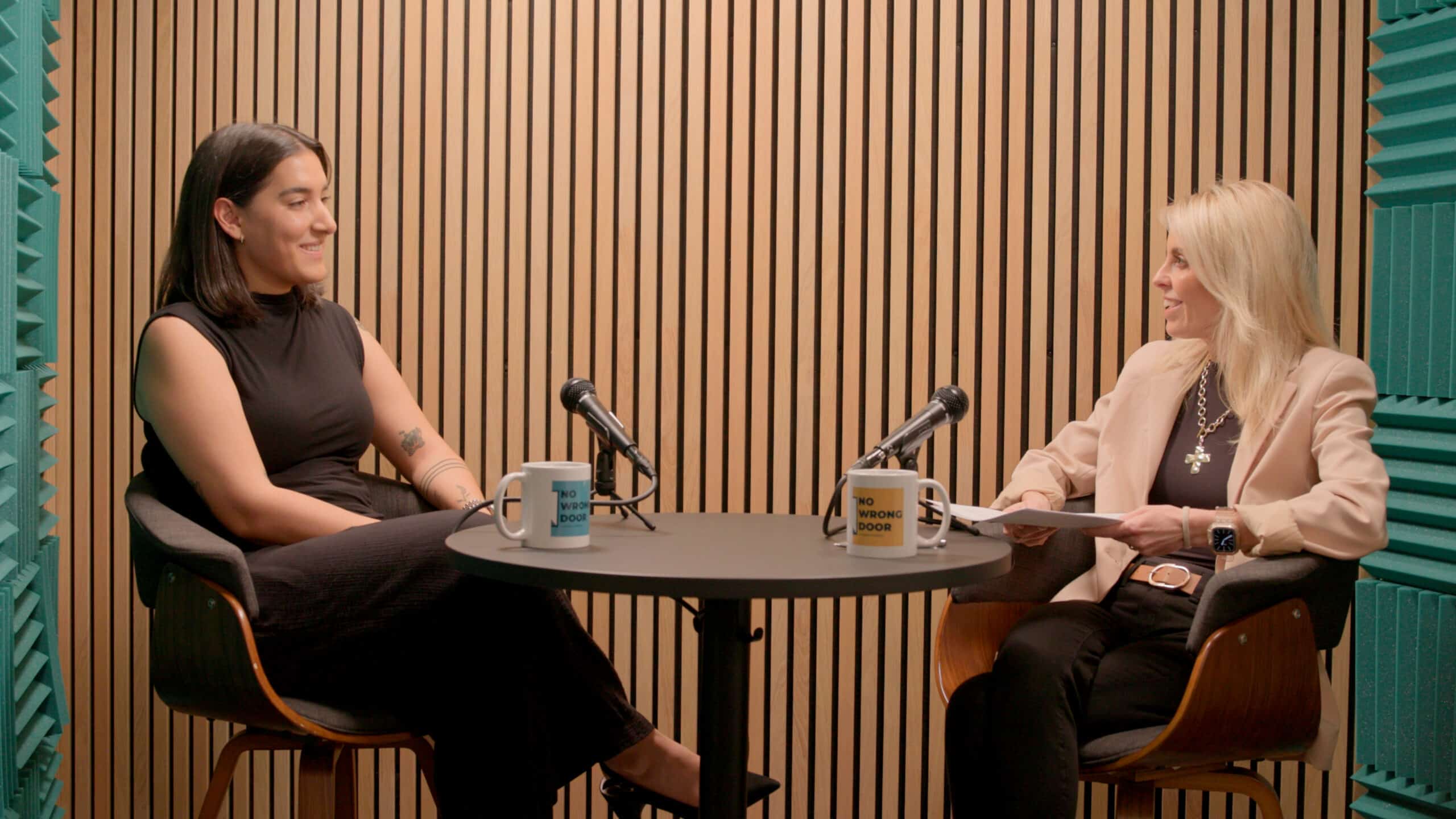
No Wrong Door is a podcast from Findhelp that explores how social care delivery is evolving to better support whole person care. Hosted by Findhelp VP of Marketing Amy Gordona, the series features conversations with social care experts, healthcare and government innovators, and Findhelp leaders who are shaping the future of access, coordination, and connected care.
Each episode offers an inside look at the systems, decisions, and ideas driving change—and what it takes to build a social safety net that works at scale.
For many healthcare organizations, recognizing the impact of social drivers of health is no longer the challenge — acting on that knowledge is. What does it take to move from identifying needs to actually ensuring patients receive help? How do you effective integrate social care into clinical workflows?
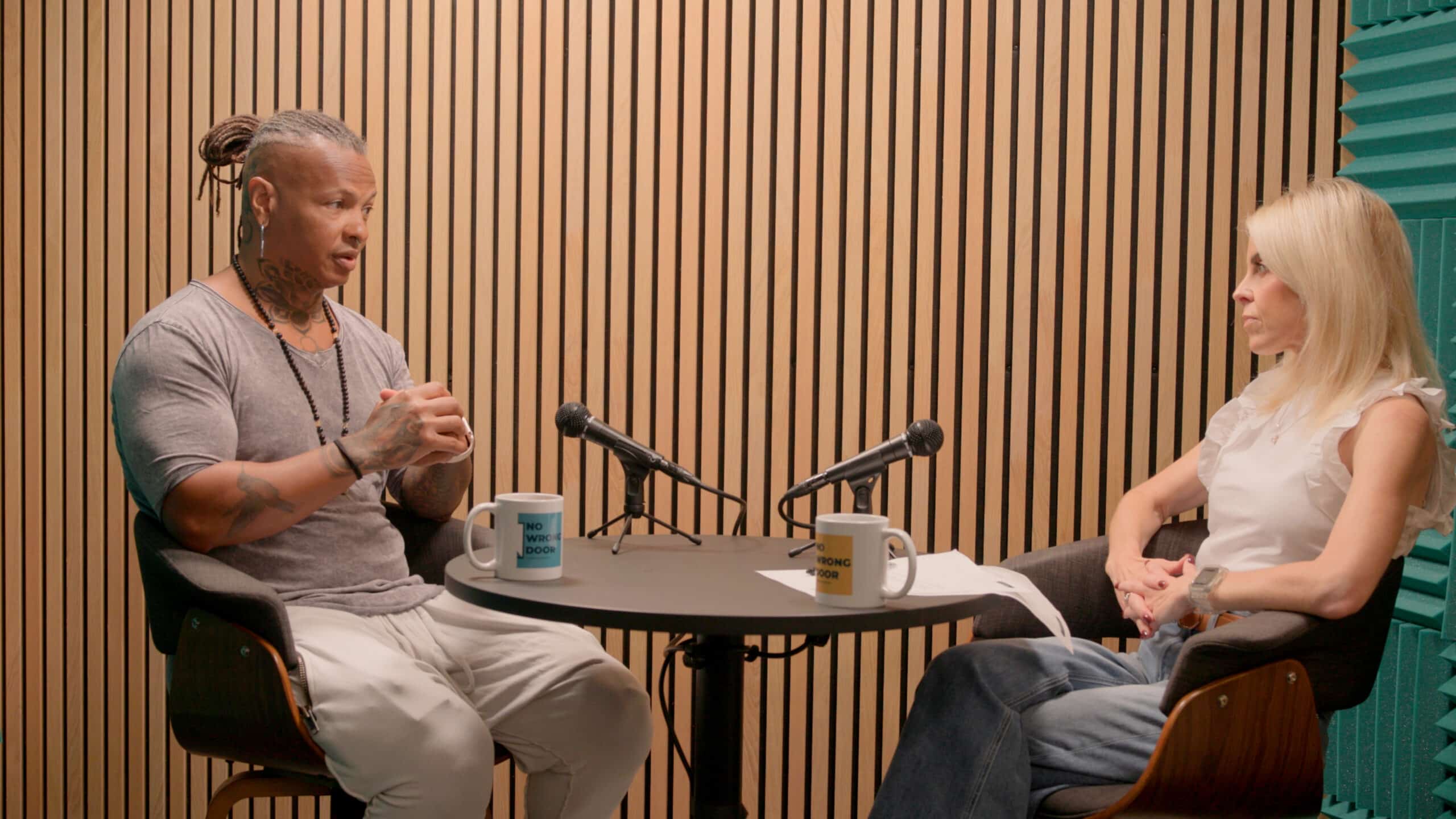
In this episode of No Wrong Door, Amy Gordona speaks with Clarissa Banks of CommUnityCare Health Centers about how her team is embedding social care into clinical workflows, building stronger community partnerships, and using data to track outcomes — not just referrals.
In this episode, we explore:

How integrating social care into the EHR helps care teams act quickly and consistently
Why closed-loop referrals require both internal workflows and external partnerships
How clinical and social care data can guide smarter, more targeted community investments
The importance of dedicated staff and ongoing training to sustaining success
Watch episode 6: “Social Care for Community Clinics”
Key themes from the conversation
From fragmented resources to centralized, scalable systems
Before implementing Findhelp, social care at CommUnityCare relied heavily on individual knowledge and manual processes — creating inconsistency across clinics.
Clarissa describes early efforts like printed resource folders that quickly became outdated and varied from site to site. With more than 30 clinics, this approach led to duplicated effort and uneven access for patients.
By centralizing resources through a shared platform, CommUnityCare created consistency across locations and freed up staff to focus on patient care rather than resource management.
“I remember just having to hold all of the knowledge in my brain.”
Clarissa Banks
Manager of Community Health Social Services at CommUnityCare
Embedding social care into clinical workflows
A key turning point for CommUnityCare was integrating social care tools directly into the electronic health record (EHR), making it easier for care teams to act without switching systems.
This integration reduced friction for busy clinical staff and enabled broader adoption across roles, from physicians to community health workers.
A tiered approach ensures each role engages at the appropriate level while still contributing to the overall system.
“[We wanted] to centralize… as much as we could, to make sure that our team members are only having to do a couple of clicks and not going into many different portals and platforms.”
Clarissa Banks
Manager of Community Health Social Services at CommUnityCare
Closing the loop through partnerships, not just technology
Technology alone isn’t enough to ensure patients get help. CommUnityCare pairs internal workflows with strong partnerships with community-based organizations (CBOs).
Their community engagement team focuses on training CBOs, building trust, and encouraging shared responsibility for closing referral loops.
This collaborative model ensures that both healthcare providers and community organizations are aligned in supporting patients.
“We want to ensure that it’s a symbiotic, bidirectional relationship [with our community partners.”
Clarissa Banks
Manager of Community Health Social Services at CommUnityCare
Using data to move from guesswork to precision
One of the most powerful shifts has been the ability to use data to guide decisions — from partnerships to resource allocation.
Instead of guessing where needs are greatest, CommUnityCare uses Findhelp search and referral data to identify demand and deploy resources strategically — like placing mobile food pantries in the areas where they’re needed most.
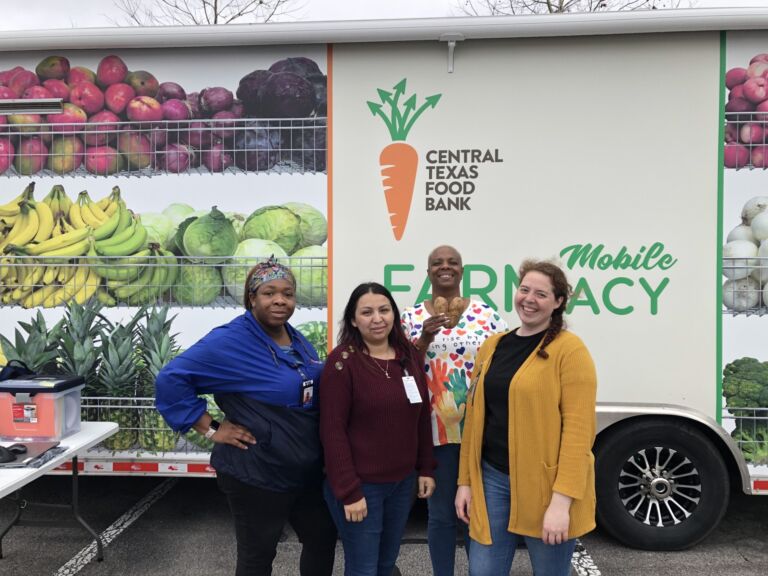
“We’ve looked at our [Findhelp] data, seen where the highest searches for food are and what ZIP Codes they’re in, and park one of the Mobile FARMacy trucks at our clinics… That has been really insightful and gets us the most patient volume at those sites.”
Clarissa Banks
Manager of Community Health Social Services at CommUnityCare
This approach not only improves efficiency but also ensures limited resources (1 Mobile FARMacy truck serves 30 clinics) have the greatest possible impact.
“You really can use data in smart, informative ways that is not breaking anyone’s trust and you can be more targeted and specific in serving people’s needs without having to waste money. And if we can continue to build these connected systems, we could do it at scale.”
Amy Gordona
VP of Marketing at Findhelp and host of ‘No Wrong Door’
Building a sustainable program through people and process
Beyond technology and data, Clarissa emphasizes the importance of dedicated staff and continuous engagement.
From staff competitions to “Findhelp champions,” CommUnityCare keeps teams engaged and motivated.
Ongoing training, feedback loops, and visible data help sustain momentum and drive adoption over time.
“Having a dedicated team member that is really great at doing those things… really helped us get to where we are now.”
Clarissa Banks
Manager of Community Health Social Services at CommUnityCare
Learn more about CommUnityCare’s work
Clarissa will be presenting at the upcoming Connect Summit on May 13-14 alongside Sanford Health-Marshfield Clinic, discussing how they’ve scaled social care operations and navigated the complexities of organizational growth.
- Standardize Clinical Adoption: Learn how CommUnityCare drives system-wide utilization through role-aligned EHR workflows and staff engagement competitions.
- Scale Through Innovation: Explore Sanford Health’s operational playbook for scaling growth, including the use of data warehouse automation and the strategic merging of platform instances during a large-scale health system integration.
What’s next for No Wrong Door?
“Social Care for Community Clinics” is available now—Episode 7 will be released on April 29 and features Connxus, the state of Texas health information exchange (HIE), talking about data and the importance of longitudinal care records.
Subscribe to No Wrong Door wherever you listen to podcasts to be notified when new episodes drop: