












Understanding Food Insecurity Trends: What Findhelp Search Data Reveals
Over the past fifteen years, Findhelp has built a profound record of human need and resilience in America. By analyzing these anonymous search and traffic patterns with the help of GaiaVerse’s artificial intelligence (AI), we are transforming this data into a proactive early-warning system that uncovers hidden vulnerabilities and maps the systemic pathways of household distress. Understanding these cause-and-effect dynamics empowers communities to deploy resources and intervene—before a challenge escalates into a crisis.
In late 2025, a major shift happened with Findhelp users. Ahead of SNAP benefit suspensions, search traffic on our platform spiked. By analyzing individual, anonymous traffic, we see how real people respond to changing policies in real time.
Our analysis with GaiaVerse shows two clear phases in how people seek help: First came planning and research, followed quickly by acute, immediate need. Understanding these patterns helps community partners and healthcare providers respond faster and more effectively when policy changes occur.
In this post, you’ll learn how:

Search patterns revealed anticipatory concern before SNAP benefit changes and disruptions took effect.
Individual behavior shifted from broad food planning to immediate meal assistance.
Findhelp tools and customer programs are preparing communities for upcoming 2027 policy changes.
Reading signals before the crisis hits
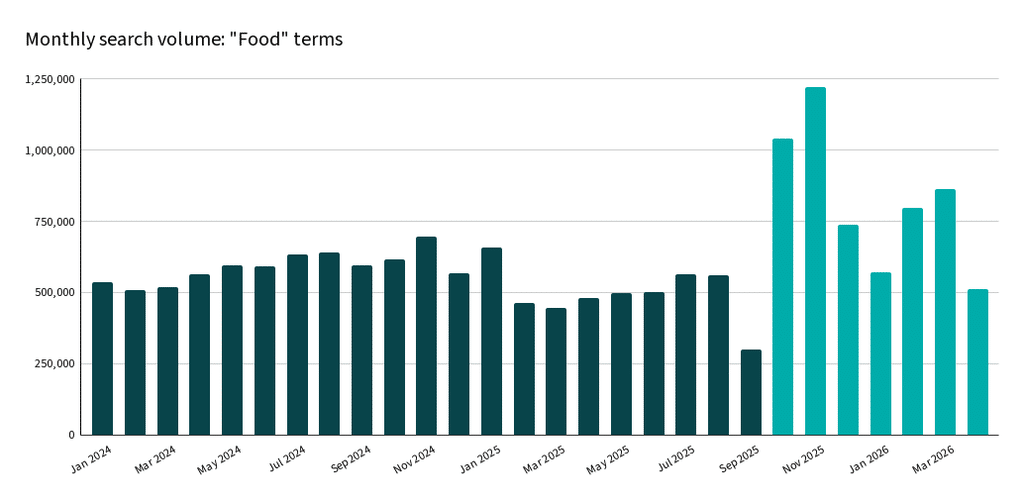
Before a benefit changes, anxiety grows. In October 2025, searches for broader food assistance began to climb as news of the SNAP suspension spread. Searches for terms like “food pantry” reached 1,039,812 in October and peaked at 1,220,302 in November 2025—roughly double our usual historical baseline.
This surge showed us something critical: individuals were seeking help before their benefits actually stopped.
They were trying to plan ahead. By combining our data with GaiaVerse’s analytical layer, we can spot these early signals and help community organizations prepare before demand peaks.

“When I think of 15 years of behavioral data, those are the questions I’m asking: Who’s being harmed? Who is suffering? Who’s not having their needs met, and why? What can be done to repair these sorts of things?”
Moriba Jah
Co-Founder & Chief Scientist, GaiaVerse
From planning to immediate need: how search terms shifted
Once the SNAP suspension took effect in November 2025, search habits changed dramatically. Broader searches for food pantries gave way to urgent searches for prepared meals, such as “hot meals” or “meals on wheels”.
In November 2025, searches for “meals” jumped to 304,981—a 7.6-fold increase over the 2025 pre-surge monthly average.
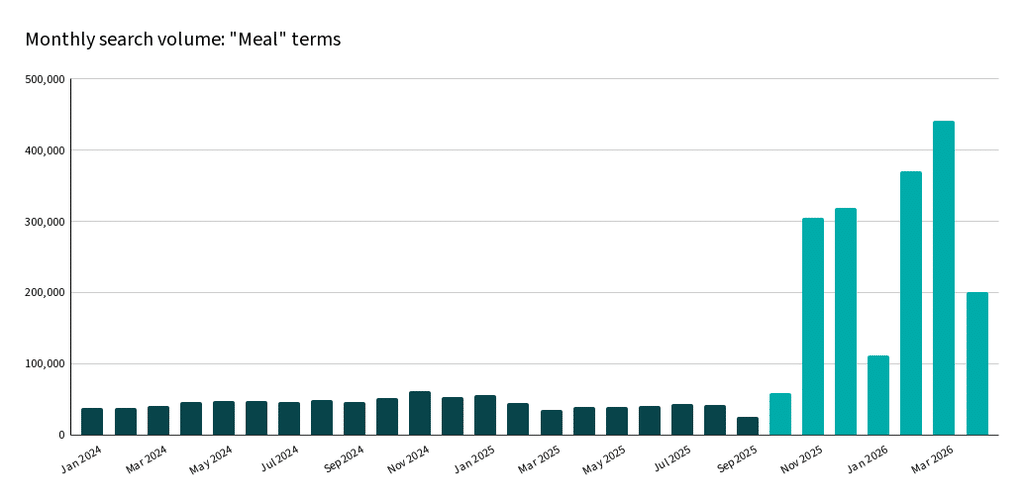
This trend continued past the reinstatement of SNAP benefits and into 2026, peaking in March at 440,700 searches (more than 10 times the baseline). Even as numbers eased to 200,500 in April 2026, search volume remained five times higher than prior-year levels. What began as forward-looking research turned into an ongoing, urgent need for daily food on the table.
Preparing for January 2027 policy changes
More shifts are on the horizon. Under H.R. 1, passed in July 2025, new Medicaid community engagement (work) requirements and administrative cost-sharing SNAP benefit changes take effect in January 2027. These changes could trigger another wave of disruption for households across the country.
We’re using these data insights to help our customers and community partners prepare. When individuals face complex safety net access rules, clear tools make a huge difference.
Supporting individuals with Findhelp’s Eligibility Check
To help people navigate changing rules, our platform offers built-in tools like the Eligibility Check. Individuals and navigators quickly see if someone qualifies for specific state and federal benefits programs before applying. By removing guesswork, Eligibility Check reduces frustration and connects people to available food and social assistance faster.
Streamlined benefits enrollment workflows
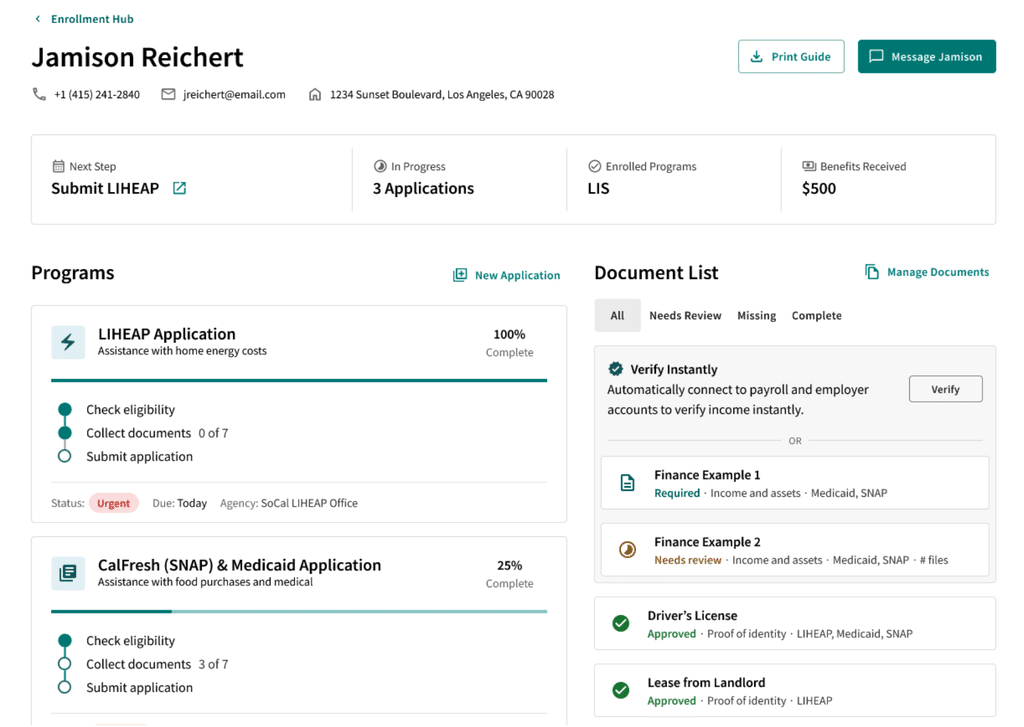
Confirm eligibility and track applications for major income-based programs — including Medicaid, SNAP, utility assistance, and more. Directly within the Findhelp platform, our benefit enrollment workflow enables organizations to manage every step of connecting individuals to state and federal benefits in one place.
Customer spotlight: How Findhelp partners are tackling food insecurity
Our customers are already using data to move from guesswork to precision — from partnerships to resource allocation. Instead of guessing where needs are greatest, these organizations are using data to reach people before crises hit. These are just a few examples of the effectively innovative work being done around the country to support food insecure populations.
TEXAS | CommUnityCare’s Mobile FARMacy
CommUnityCare uses Findhelp search and referral data to identify demand and deploy resources strategically — like placing mobile food pantries in the areas where they’re needed most. This approach not only improves efficiency but also ensures limited resources (one Mobile FARMacy truck serves 30 clinics) have the greatest possible impact.
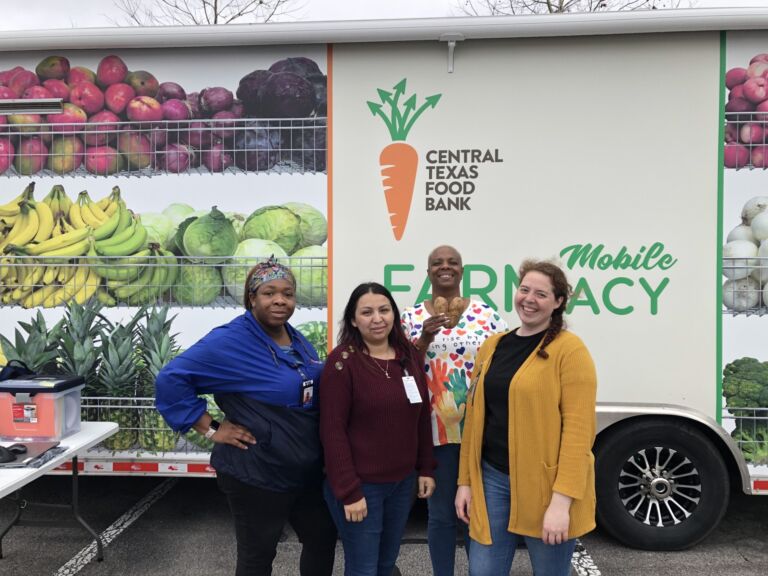
“We’ve looked at our [Findhelp] data, seen where the highest searches for food are and what ZIP Codes they’re in, and park one of the Mobile FARMacy trucks at those clinics… That has been really insightful and gets us the most patient volume at those sites.”
Clarissa Banks
Manager of Community Health Social Services at CommUnityCare
FLORIDA | Sunshine Health’s open access food pantries
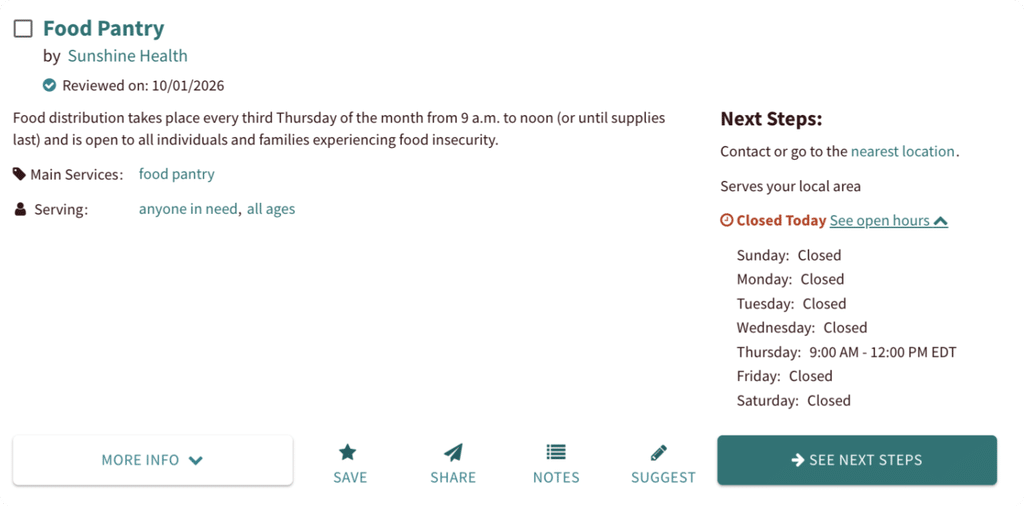
Sunshine Health (a subsidiary of Centene Corporation) manages food pantries throughout the state for anyone in need—whether they’re a Sunshine member or not. Open every third Thursday, the pantries are listed on Sunshine Health’s Findhelp community site for awareness and access.
MINNESOTA | Fairview Health’s expanded “Food is Medicine” program with Medica
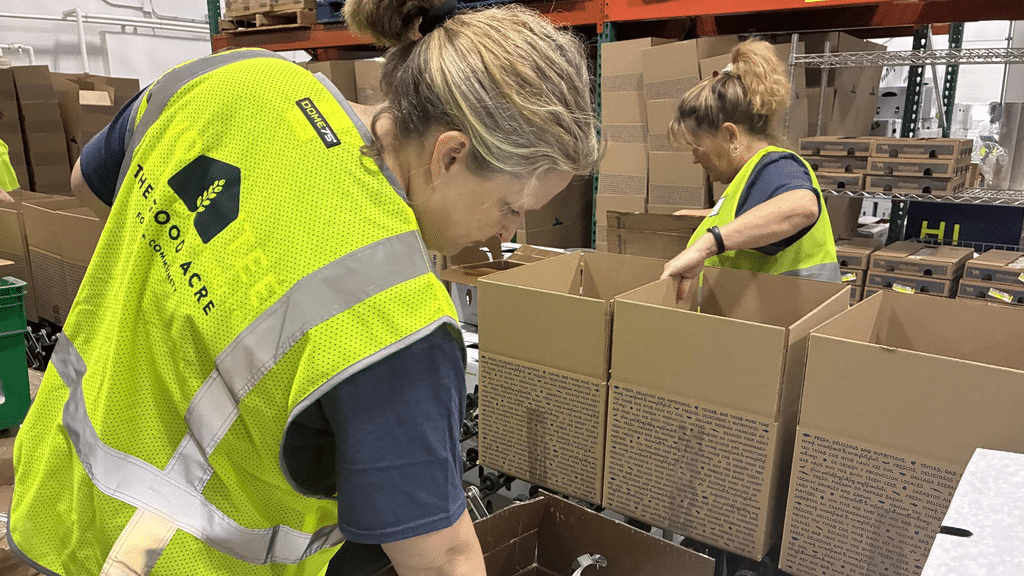
Building on Fairview’s established “Food is Medicine” program, the health system has joined forces with Medica, a health plan, to provide fresh, culturally-relevant food to Fairview patients who are insured by Medica. Participating Medica members can receive boxes with nutritious ingredients sourced from The Good Acre’s network of local farmers and producers.
Acting on the patterns behind the data points
By studying search trends alongside GaiaVerse, we can better understand how policy changes impact everyday lives. Together with our community partners, healthcare providers, and committed navigators, we can use data to make social care more accessible, dignified, and responsive—before SNAP benefit changes and other policy updates impact existing support systems.