











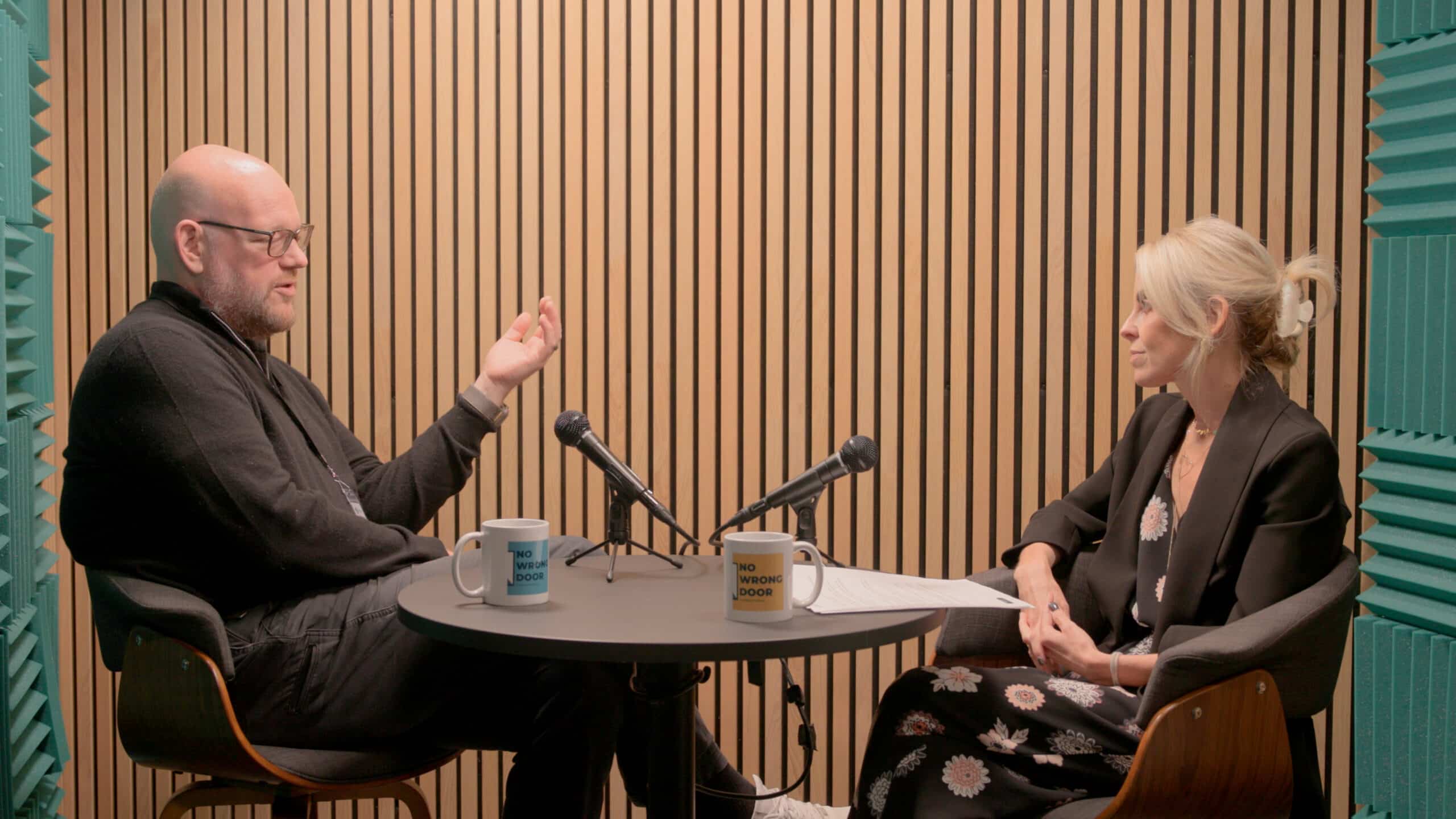
Built for the Frontline Helpers: Ep. 15 of the ‘No Wrong Door’ Podcast
No Wrong Door is a podcast from Findhelp that explores how social care delivery is evolving to better support whole person care. Hosted by Findhelp’s VP of Marketing Amy Gordona, the series features conversations with social care experts, healthcare and government innovators, and Findhelp leaders who are shaping the future of access, coordination, and connected care.
Each episode offers an inside look at the systems, decisions, and ideas driving change—and what it takes to build a social safety net that works at scale.
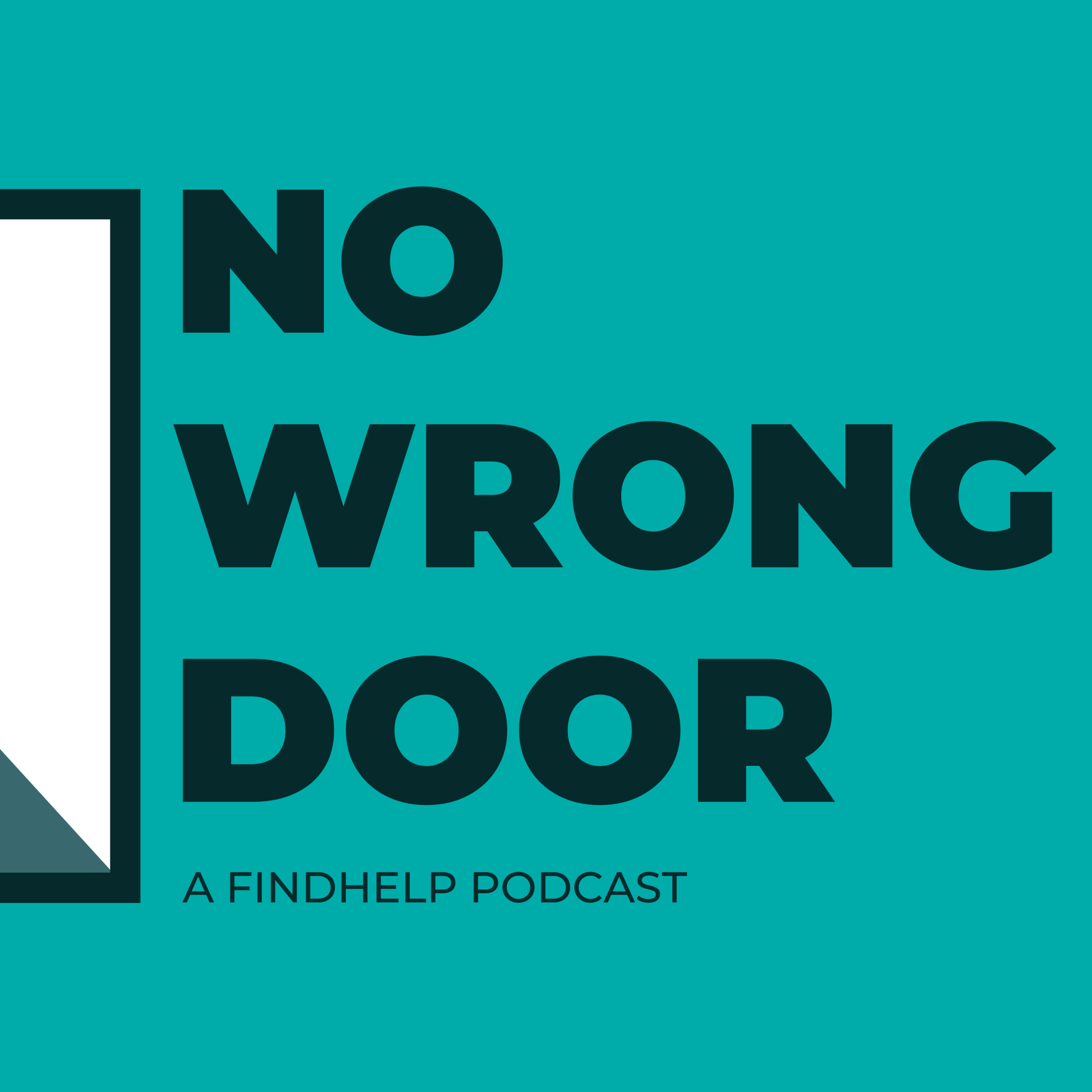
Navigating the social safety net during a crisis shouldn’t require jumping through an endless maze of redundant paperwork, yet administrative burden for community service providers remains one of the largest barriers to receiving care.
In Episode 15 of No Wrong Door, host Amy Gordona sits down with Noah Harlan, VP of Community Solutions at Findhelp. After witnessing the inefficiencies that force families to spend months navigating bureaucracy to secure permanent housing, Noah founded Kiip.
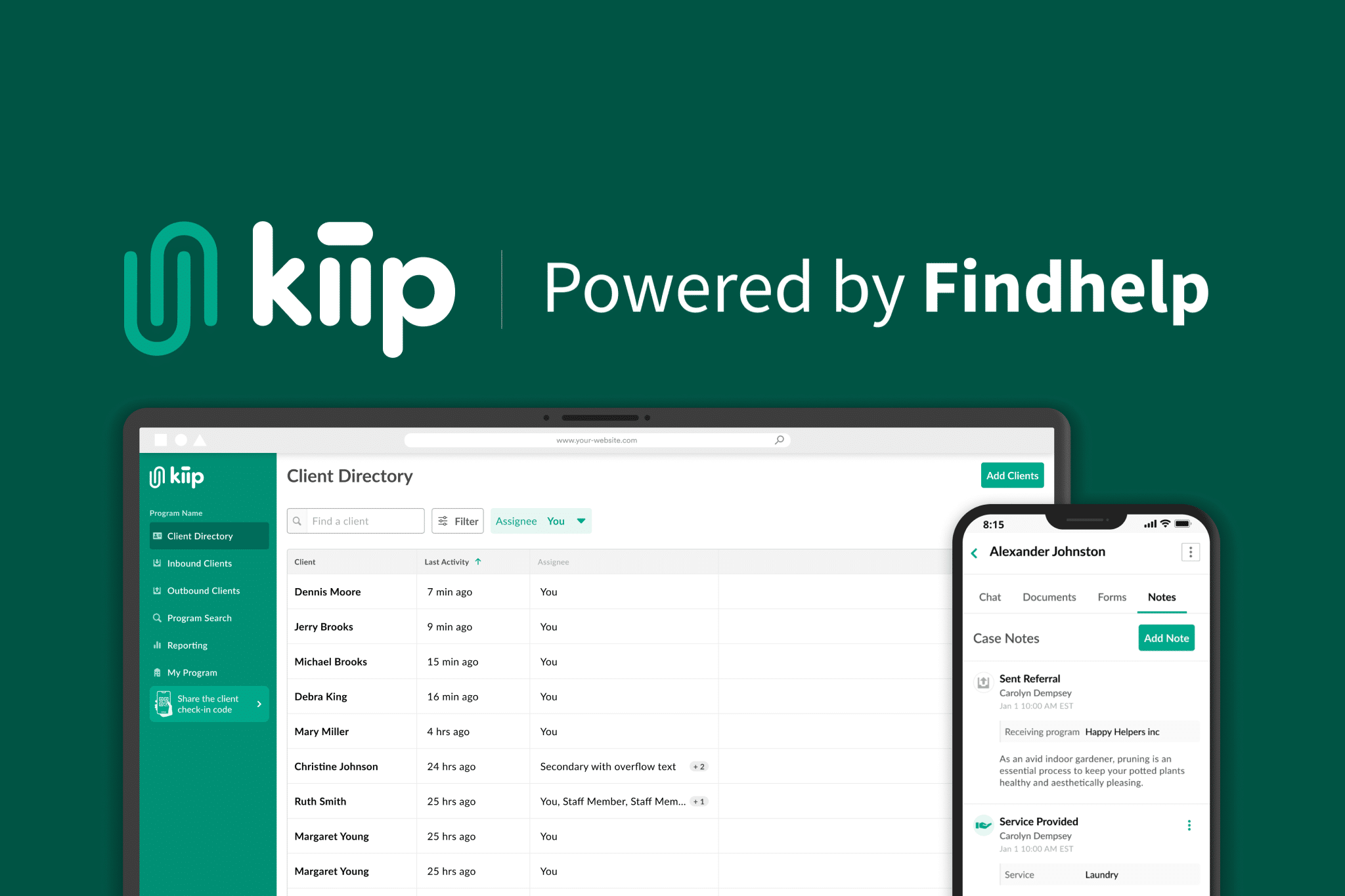
Kiip is a secure data locker and simplified case management system designed specifically for community-based organizations (CBOs). Following Findhelp’s acquisition of Kiip in 2024, Noah shares how we’re empowering frontline staff with adaptable, user-friendly technology.
In this episode, we explore:

How red tape disproportionately harms vulnerable populations through “time taxes”, trapping families in temporary shelters.
Why social care software must be built from the ground up for the reality of CBOs.
The impact of putting vital documents securely in the hands of individuals to bypass redundant intakes and avoid care disruptions.
Watch episode 15: “Built for the Frontline Helpers”
Key themes from the conversation
Innovation in social care doesn’t come from forcing CBOs to adapt to complex enterprise software. Instead, it comes from spending time on the ground to understand where they experience barriers and friction. Noah and Amy explore how addressing administrative burnout and prioritizing data portability can radically transform the social care ecosystem.
How red tape traps families in crisis
Applying for social services often requires providing the same birth certificates, utility bills, and IDs over and over to different agencies.
Noah highlights how this red tape acts as a punishing time tax.
While higher-income individuals might have the flexibility and tools to navigate these hurdles, hourly workers and unhoused families face catastrophic setbacks. They can lose wages or experience prolonged homelessness, simply because they can’t instantly produce a required document.
“It does not matter where you sit in the socioeconomic spectrum, but it is weirdly regressive in that the lower down on the socioeconomic spectrum you sit, the more of these [time taxes] you face, because you’re constantly having to apply for new services and prove that you’re working, or that you live somewhere…”
Noah Harlan
VP of Community Solutions
Findhelp
Building software for the frontlines, not the boardroom
A major reason for low tech adoption among CBOs is that the tools available to them were originally designed for corporate billing or enterprise sales, not human-centered case management.
When forced to retrofit these complex systems, many organizations run into so many issues that they give up and fall back to paper folders and spreadsheets.
We must build social care technology with radical simplicity, matching the highly mobile, fast-paced workflows of street teams and volunteer case workers.
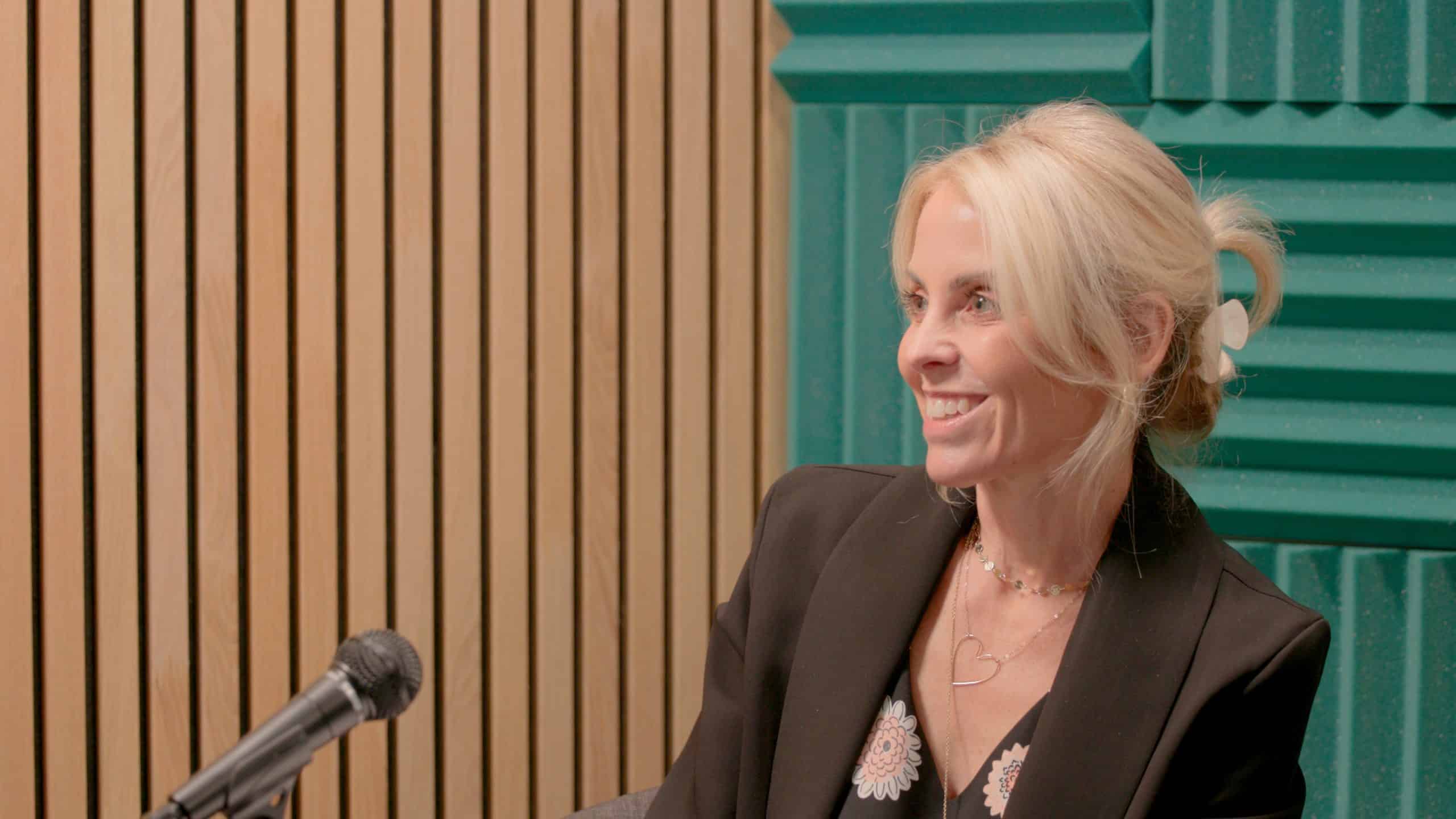
“[Software vendors] are like, let’s just retrofit it… versus understanding the problem from the real ground up and designing simplistic tools that will work on the spot, do only what they need to do, and do it in an easy way.”
Amy Gordona
VP of Marketing, Findhelp
On-the-go records as a lifeline
When an individual loses their physical ID, the downstream consequences can be devastating—potentially costing them their spot in a shelter or access to life-saving benefits.
Noah shares a powerful story of an unhoused individual in Los Angeles who was wrongly stopped by the police. Because he had his identification stored in his Kiip data locker on his phone, he was able to immediately prove his identity and contact his case worker.
This prevented him from spending the weekend in jail, which would have triggered an automatic forfeiture of his shelter bed and forced him back to square one.
“Because he didn’t have access to his ID when he needed it, they said. But because he used Kiip and because we… helped him set it up for himself, he had access to that information when he needed it.”
Noah Harlan
VP of Community Solutions
Findhelp
Designing an “antifragile” case management system
The social safety net is incredibly disconnected. Varying rules and requirements shift rapidly from state to state. Instead of forcing every municipality to work the exact same way in a rigid case management system, technology must be “antifragile”. Adaptable, resilient, and capable of functioning effectively no matter how the political or operational environment changes.
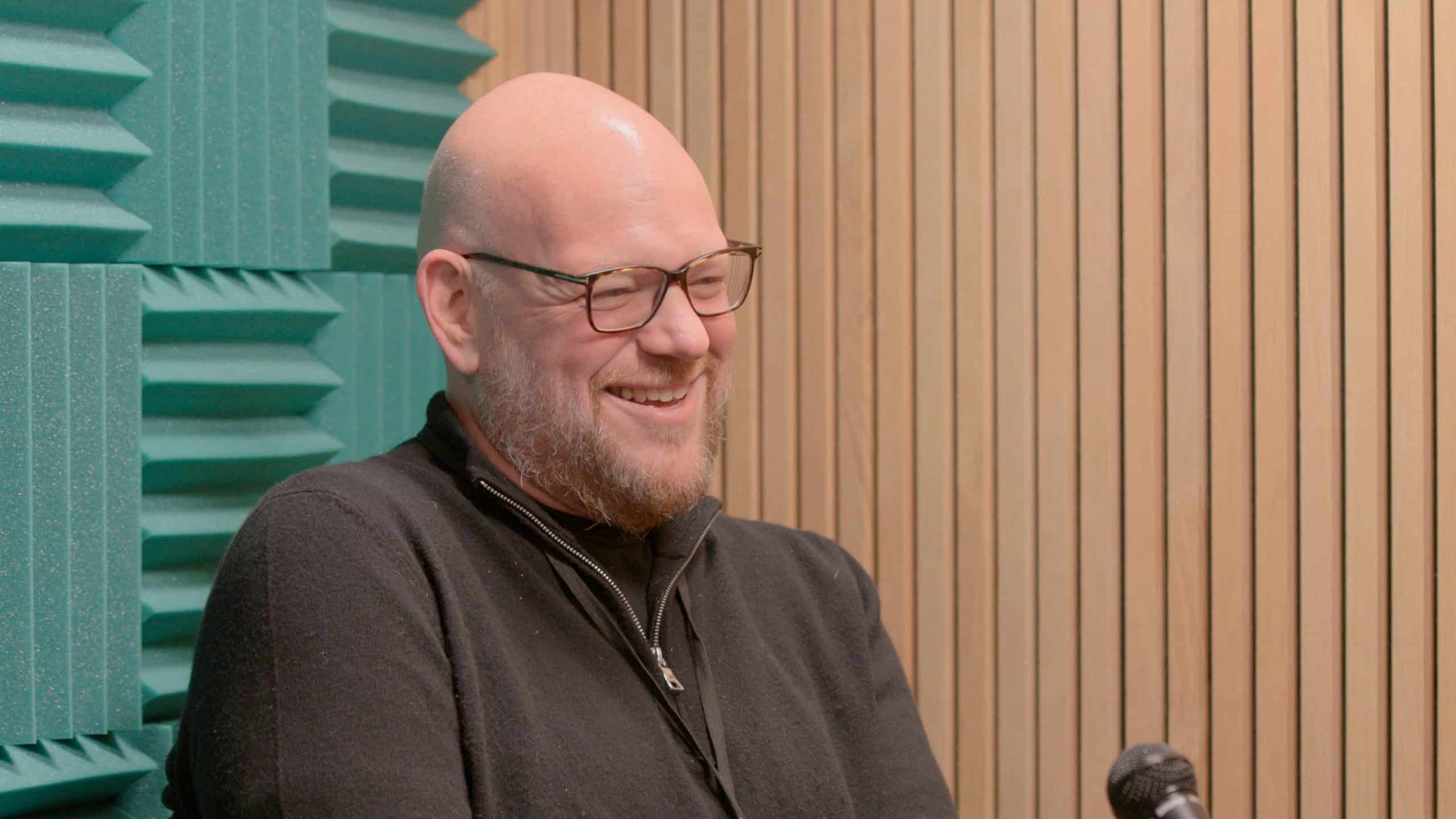
“I think that it’s very uncertain right now, perhaps more so than it’s been over the preceding 20-plus years, about what the next few years of the social care ecosystem are going to look like. With that in mind, you want to take a very antifragile approach, which is ‘how do we build a case management system that solves the day-to-day needs of these organizations, but that are not super tightly coupled to exactly what the workflow is going to be… but instead are adaptable?’.”
Noah Harlan
VP of Community Solutions, Findhelp
What’s next for No Wrong Door?
“Built for Frontline Helpers” is available now. Episode 16 will be released later this month and features Tom Richter exploring social care interoperability and data standards.
Subscribe to No Wrong Door wherever you listen to podcasts to be notified when new episodes drop: