










Iowa Social Care Summit: Highlights from the Hawkeye State
Iowa isn’t waiting around for the future of social care to arrive politely. It’s building it in real time, with urgency, experimentation, and a willingness to rethink systems from the ground up. At the Iowa Social Care Summit, state leaders, healthcare organizations, and community partners came together to explore what it takes to turn historic funding into lasting impact.
From rural health transformation to data-driven decision making and community-led coordination, one theme echoed throughout the day: progress happens when systems connect and people stay at the center.
Read on for key takeaways:

Rural transformation requires bold investment and new thinking: Iowa is moving quickly to deploy historic funding across technology, workforce, and community-based care models.
Data is becoming the backbone of social care strategy: From reimbursement to program design, integrated data systems are reshaping how impact is measured and scaled.
Community coordination is the difference-maker: Care hubs, cross-sector partnerships, and shared infrastructure are turning fragmented services into cohesive support systems.
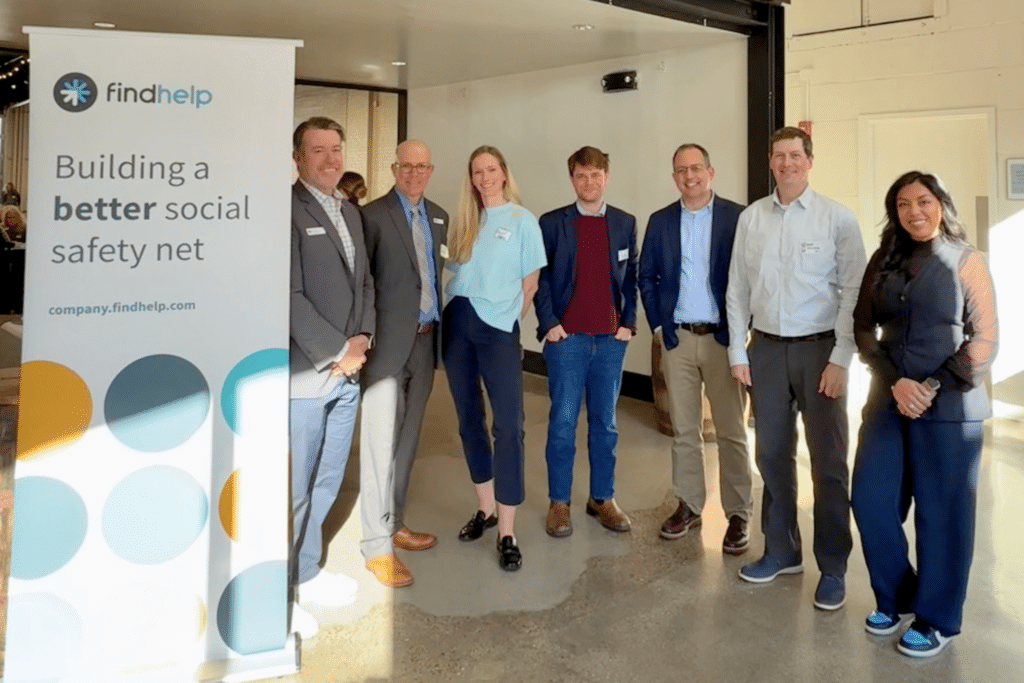
A special thank you to everyone who joined us and to our fantastic speakers for sharing their insight, experiences, and vision.
Highlights from the 2026 Iowa Social Care Summit
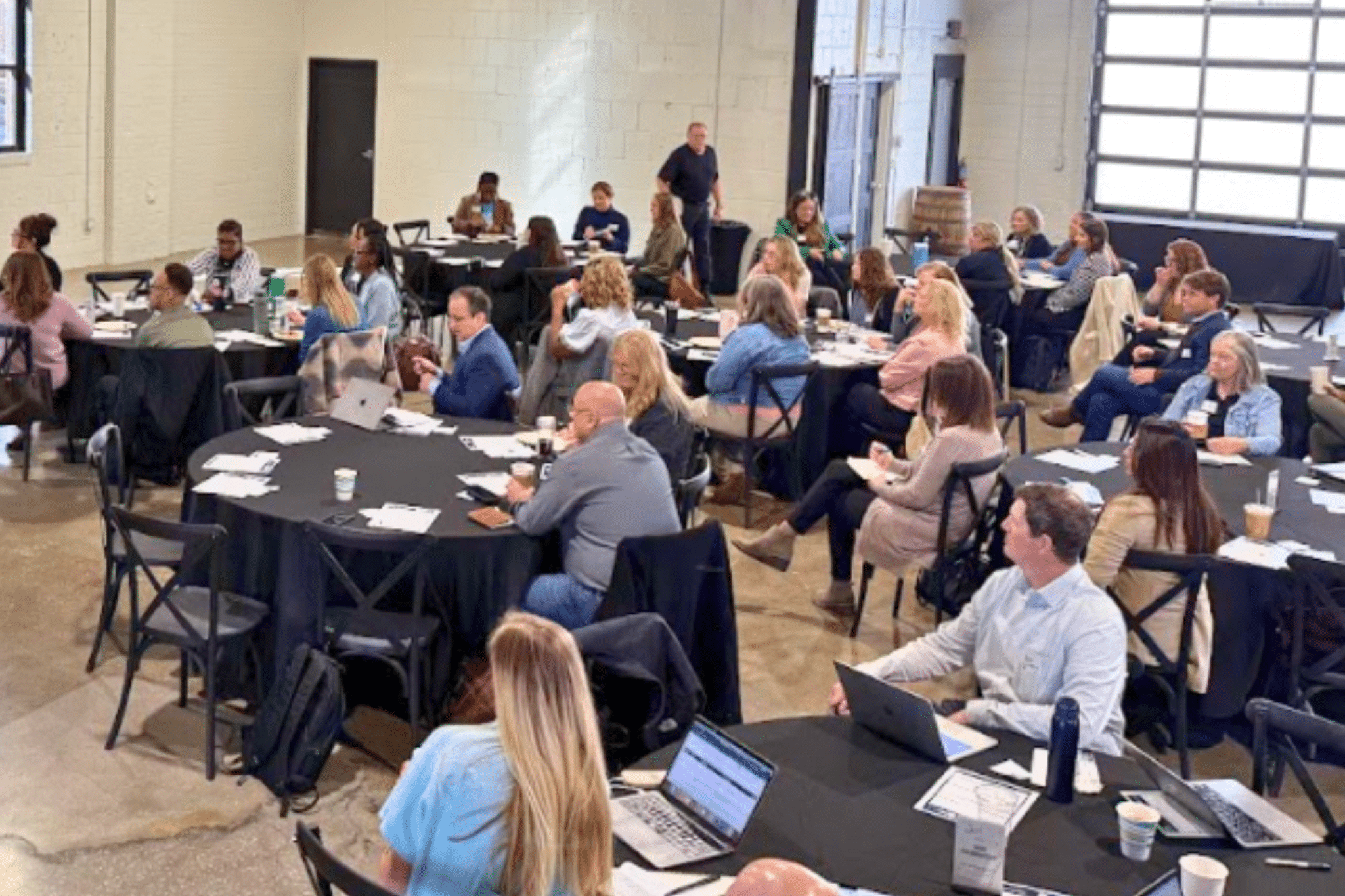
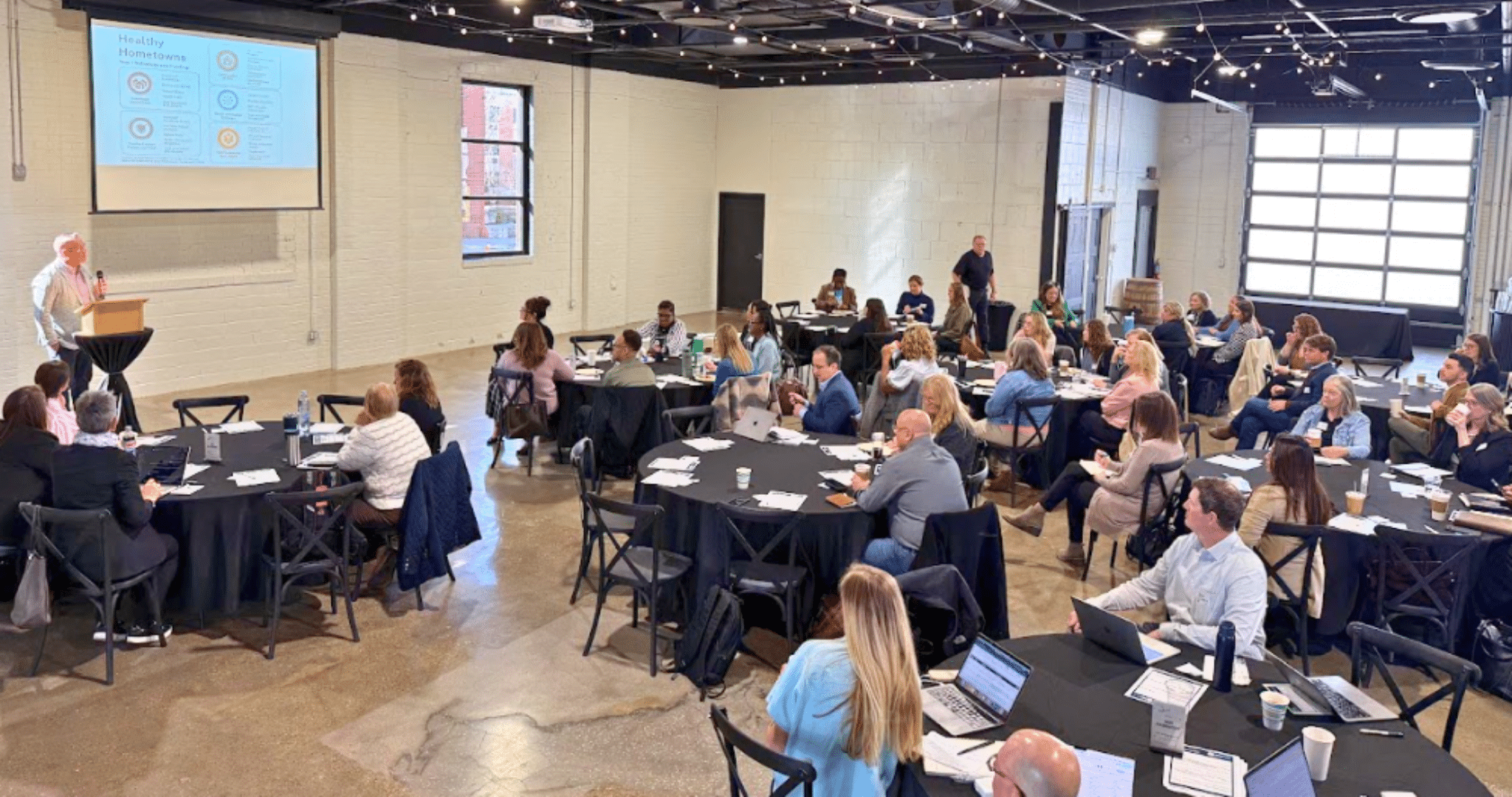
This year’s Summit featured 40 participants representing government agencies, healthcare providers, community organizations, and more:
Below are some of the key themes and takeaways from a day of learning and sharing.
Transforming rural health: Iowa’s Healthy Hometowns
Larry Johnson, Director of Iowa DHHS, opened with a clear message: transformation isn’t optional, it’s already underway.
With Iowa ranking among the most rural states in the country, the stakes are high. The state secured more funding than requested through the Rural Health Transformation Program and is already moving faster than most.
“We don’t put the technology on bad processes,” Larry said. That philosophy is shaping how Iowa approaches its five pillars, including expanding screening access, co-locating services, modernizing health information exchange, and investing in community-based care models like the HOME Project.
The state is also rethinking how residents interact with public benefits through its Economic Mobility Strategy, aiming to make systems easier to navigate and more responsive to real-life needs.

“Sometimes navigating for resources can become a trap, so how can the State make it easy to navigate and take a whole person approach?”
Larry Johnson
Director
Iowa Department of Health and Human Services
And the urgency is real. Funds must be deployed quickly or risk being reallocated.
The result is a state moving at full speed, testing new models, modernizing infrastructure, and pushing beyond traditional boundaries to better serve rural communities.
A vision for an integrated Iowa safety net
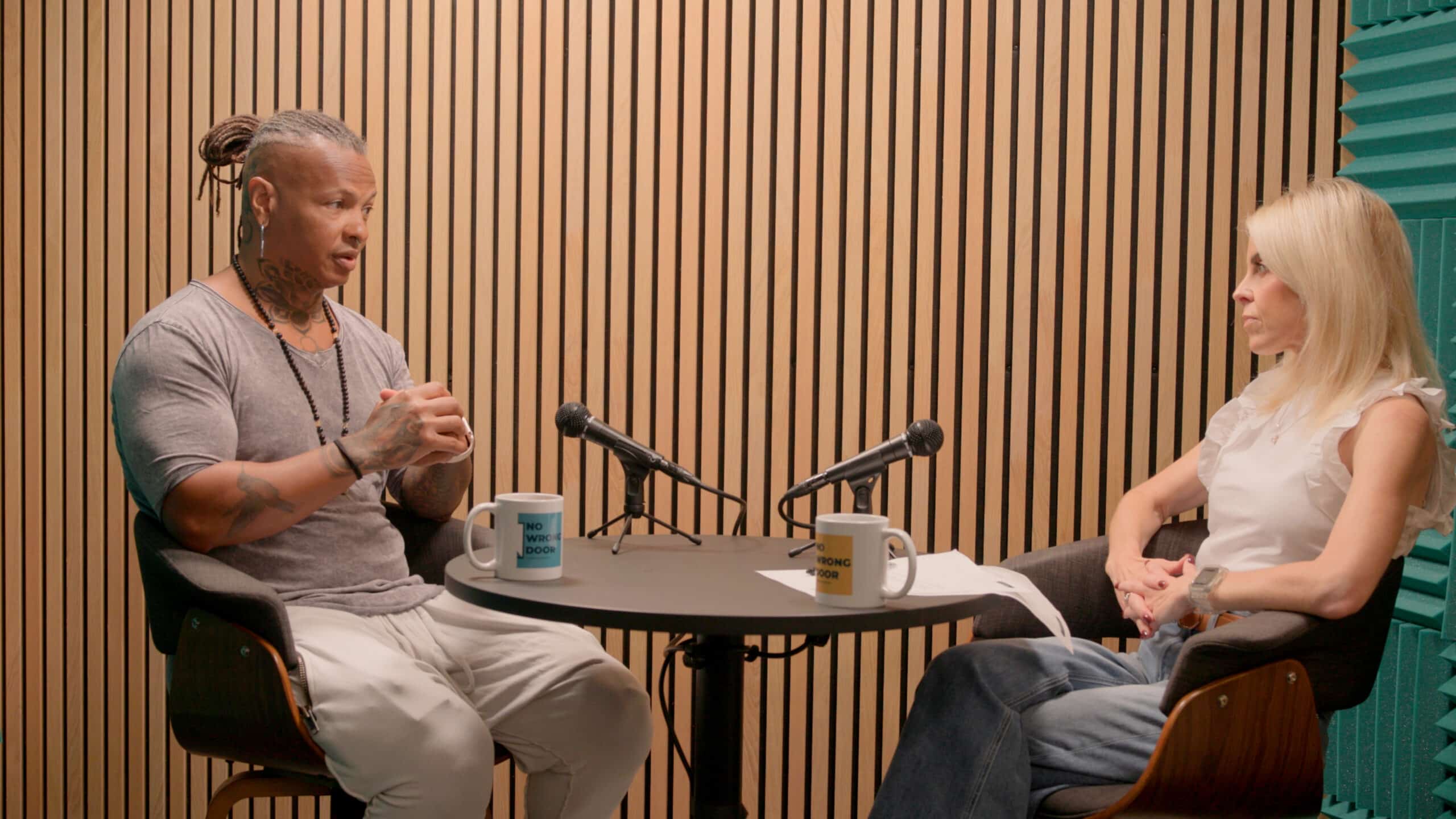
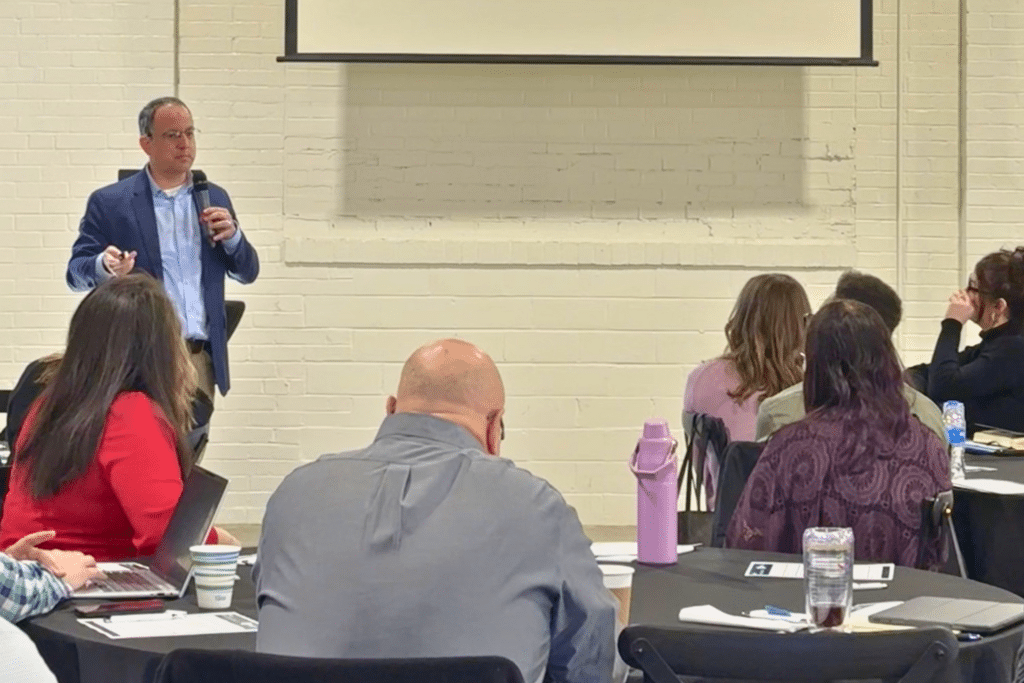
Erine Gray brought the conversation into focus with a vision grounded in dignity, data, and scale.

“Everyone deserves the dignity of a ‘yes’ or ‘no’.”
Erine Gray
Founder & CEO
Findhelp
That principle sits at the core of building a modern social care ecosystem. For decades, healthcare has relied on standardized codes and reimbursement structures, while social care has operated without the same infrastructure. That gap is beginning to close.
Through integrated data, case management tools like Kiip, and eligibility solutions like Uno Health, Iowa and other states are beginning to connect fragmented systems into a more unified experience.
At the same time, innovation is accelerating. From AI-powered search and summarization to shared longitudinal records and real-time eligibility screening, technology is expanding what’s possible while raising important questions about workforce, trust, and implementation.
The goal isn’t to replace human connection, but to strengthen it with better tools, better data, and better coordination.
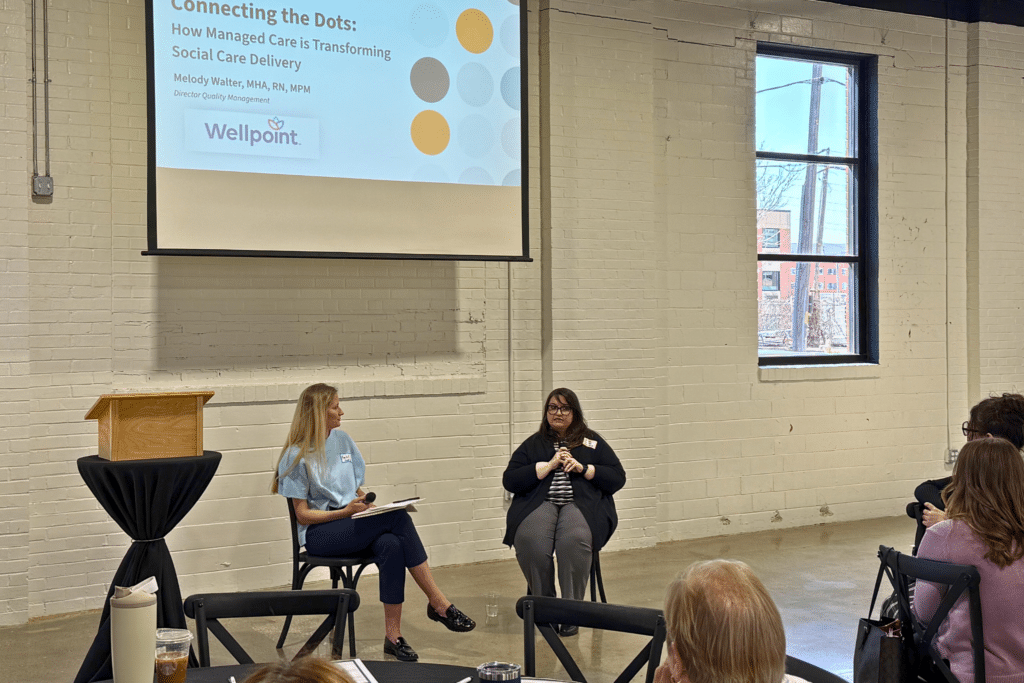
How managed care is transforming social care delivery
Melody Walter, Director of Quality Management at Wellpoint, shared how managed care organizations are playing a critical role in turning strategy into action.
She shared a real member story that captured the impact of coordinated care: a young, pregnant woman was experiencing homelessness and living in her car. Case managers were able to help connect her to resources via Findhelp, leading to a healthier birth outcome and more stable housing situation for both mom and baby.
At the same time, Melody highlighted ongoing challenges, including housing instability, rising food insecurity, and the complexity of managing chronic conditions alongside social needs.
The message to providers and partners was simple: make the referrals, share the platform, and build awareness.
Integrated care only works when the system is actively used.
Powering whole person care through HIE innovation
As Iowa transitions to a new health information exchange (HIE), the focus is on building infrastructure that supports real-time, cross-sector coordination.
Laura Young, Executive Director of Converge Heath, shared how HIEs are evolving beyond clinical data to include social care information, enabling:
Timely access to patient data
Better coordination across organizations
Reduced gaps in care transitions
More complete, shared understanding of individual needs
But challenges remain, particularly around privacy, consent, and integrating sensitive data like substance use information.
The opportunity is clear: when data flows seamlessly and securely, care becomes more proactive, coordinated, and effective.
Stronger together: The role of community care hubs
If data is the backbone, community care hubs are the connective tissue.
Across Iowa, hubs like Quad Cities Open Network and Iowa Community Hub are helping translate referrals into real-world support. Community health workers receive referrals, assess needs, and connect individuals to the right services.
HUB Navigators have helped enroll more than 4,500 people in services, demonstrating the power of coordinated, community-based care.
Programs like the HUB Produce Box initiative are addressing barriers head-on, delivering 2,000 boxes of fresh food directly to individuals since 2021, and improving both access and outcomes.
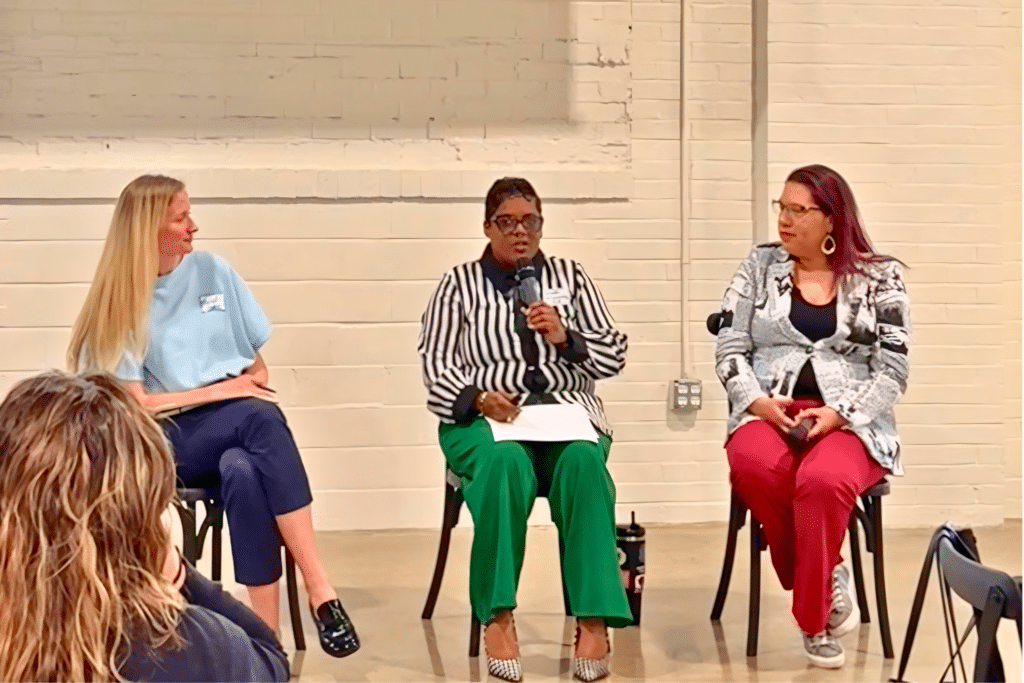
But beyond the metrics, speakers emphasized trust, transparency, and shared purpose. Iowa Community Hub invited 160 staff from local critical access hospitals to a training to show clearly how the Hub would work with Findhelp.

“[We build relationships by] being transparent with organizations. We have their back; we’re here.”
Ernesta Martinez
Community HUB Navigator
Iowa Community Hub
Similarly, Cecilia Bailey from Quad Cities Open Network emphasized face-to-face time and including demos of the Findhelp platform to show how easy it is to use. And, perhaps most importantly, Cecelia discussed how a shared mission is what allows organizations to move beyond competition and toward collaboration.

“The biggest challenge in improving care coordination is reminding each other that we all want our communities to be strong and so we are not opponents. We need to be working together.”
Cecelia Bailey
Executive Director
Quad Cities Open Network
Cecelia also focused on quality measurement rather than quantity measurement. “The sheer numbers is not what does it – it’s whether or not outcomes are met”.
Beyond the Summit: Our work in Iowa
While the Summit provided a rich day of insight and connection, the real work continues — in homes, clinics, schools, and community hubs across the state.
Some of the numbers that show the scale and momentum:
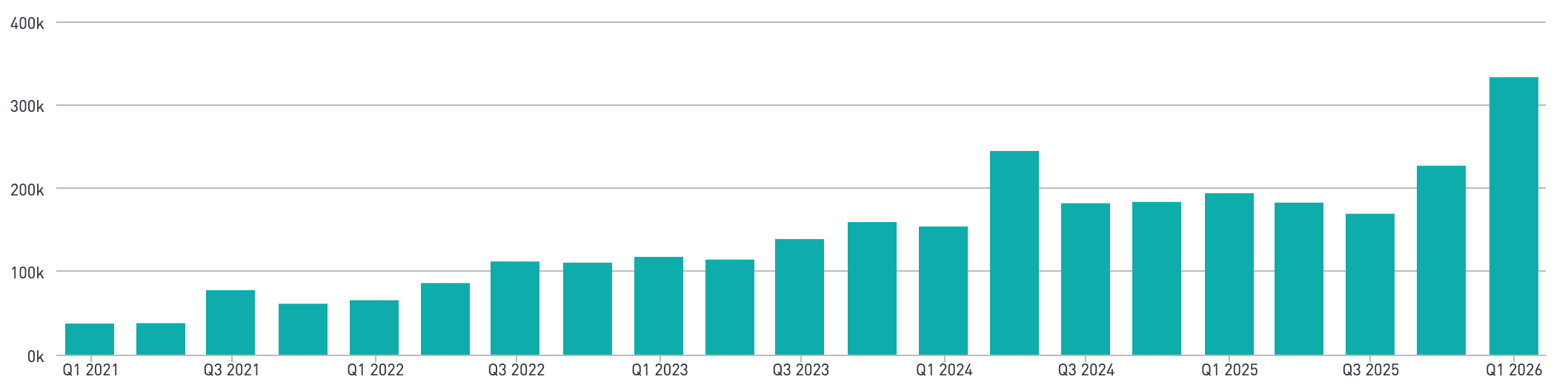
- 5,675 listed programs serving Iowa
- 940 thousand users across the state
- 2.5 million searches for resources
- 100% of counties have claimed programs
As of May 2026, we partner with more than 20 customers throughout the state to connect their patients, members, students, constituents, and clients to local resources. Our data and analytic tools can identify gaps in services and provide actionable insights to inform strategy and public policy.
Let’s keep the conversation going
Throughout the Iowa Social Care Summit, one reality was impossible to ignore: the challenges ahead are complex, but the foundation for progress is already in place.
From statewide funding strategies to local community hubs, Iowa is building a system designed not just to respond to needs, but to anticipate and address them more effectively. The path forward will require continued collaboration, sustained investment, and a willingness to evolve. But the direction is clear.
A more connected, coordinated, and community-centered system isn’t just possible. It’s already taking shape.
If you’re interested in how Findhelp can support your work — whether you’re a health system, community-based organization, payer, or state agency — we’d love to chat.