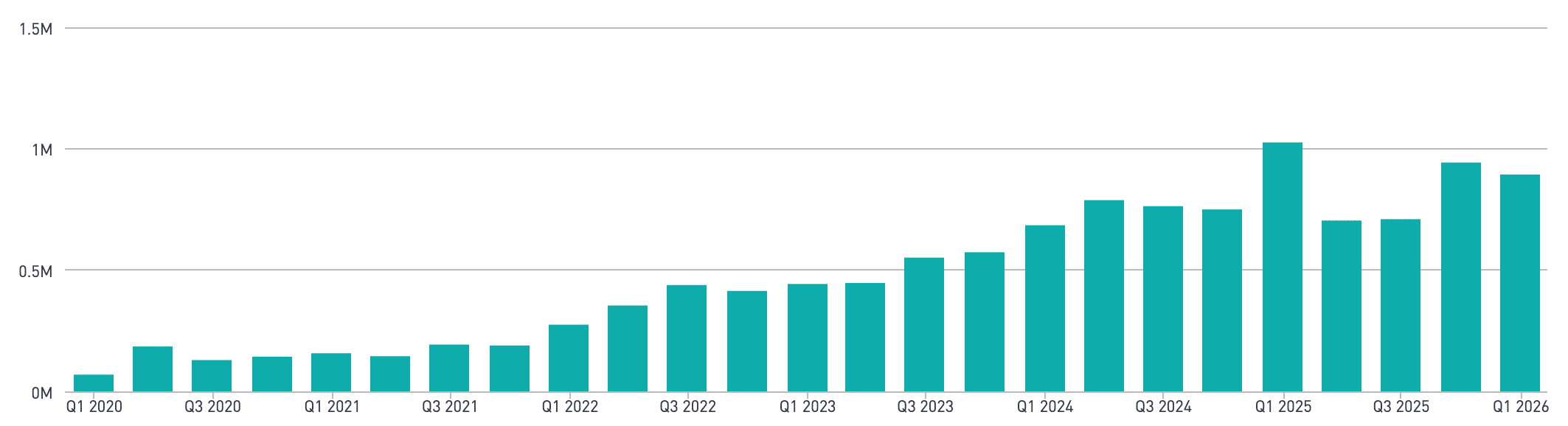
Good day, everyone. Good afternoon. Good morning to some. We wanna welcome you to Paired Perspectives, building Pennsylvania’s connected Social Care Ecosystem. Find help, and our amazing speakers wanna welcome you today. And as a first activity, as you’re joining and just kind of coming on here, we’re gonna ask that you use the chat on the right hand side and that chat functionality to tell us what type of work you do and where you’re tuning in from, and that will help us to kind of fine tune our presentation today. So if you wouldn’t mind utilizing that, we would love for you to do that right now. So I just wanna give you a couple seconds to share some of the folks that are coming in and where you’re coming from. Ah, United Way. Welcome. Welcome. Thanks so much for being here today. We’re really looking forward to a robust conversation. Massachusetts, California, Idaho. This is fantastic. So glad that you could join us today. Georgia, South Carolina, Texas. Wonderful. Wonderful. Wonderful. Well, as you’re continuing to fill in that information and telling us a little bit more about what you do, we are gonna start to I’m gonna start to transition us so that we can begin these presentations. And so I just wanna make sure that you understand that we are absolutely about to take quite the ride. An ecosystem is a geographic area where living organisms interact with each other and their nonliving environment to function as a balanced unit. And our ecosystem today is going to be focused on social determinants of health or social care, so our speakers absolutely have some explaining to do. And speaking of explaining to do, I just wanna take a moment and explain to you who I am. My name is Tanoa Fagan, and I work for FindHelp as Pennsylvania state director. I joined FindHelp in twenty twenty three after approximately seventeen years of work with the Pennsylvania Department of Human Services. And so anyone that actually talks to me for any extended period of time will absolutely know and understand that my claim to fame is just the opportunity to help those that are in need. And so in my transition from Pennsylvania’s DHS to find help, I absolutely have the opportunity to do that and even in a broader scale at this point. And so I’m super excited to be here today and honored to act as the moderator. So before I introduce this first speaker, I just wanted to review a few housekeeping items for you all. First, this session is actually going to be recorded. Each of you will be able to access today’s recording this Friday, May the fifteenth. And in addition to that, if you have any questions, you’re already utilizing the chat, But if you would bump over to the q and a tab that is to the right as well, you’re welcome to put those questions in that q and a chat. And so what we plan to do, time permitting, of course, is we’ll do some of those questions live today. If we’re able to, we’ll also answer some of those online. So we really encourage you to do that and do that throughout. Our plan today is to let both of our speakers present, and then towards the end, we will just have a q and a session. Alright. So without further ado, we’re going to begin with our first perspective entitled aligning statewide infrastructure for social care coordination. This morning slash afternoon, depending on where you’re coming from, I’m going to introduce Keith Cromwell. He’s a corporate director for Penn Medicine, and in his spare time, he also oversees the health information exchange Central PA Connect. Of late, he’s been making his rounds across the country, sharing the PA Navigate platform and its success. So before I steal any more of Keith’s thunder, I’m going to welcome Keith to the stage today. Everyone, please welcome Keith Cromwell of Penn Medicine and the Central PA Connect HI. Well, hello, everyone. It’s great to be here today with you talking a little bit about PA Navigate and the journey that we’ve done in Pennsylvania. So as we kinda look at things, today, I’m gonna try and cover a little bit of the history and background, a little bit about timeline, talk about our implementation journey, and then really wrap up with what we’re seeing happen in the Commonwealth and what we’re seeing from an adoption and usage perspective. Before we actually hop in, though, I thought I’d just share a little story. So I’ve been with Penn Medicine for about twenty nine years now in a variety of different roles. One of the roles that I was in was actually going out and and talking in the community with different health care organizations, and just being a liaison to them. And one day, I happened to be, visiting one of our local missions that provides health care services. They’re a little early and got to sit in the waiting room waiting for the manager to to be ready, and I had a gentleman sit down next to me. I’m gonna call him Alex for today. And he really started telling me about his story. And it was a story that that had housing and food insecurities all woven through it. And as he was struggling with those things, he also die got diagnosed with a couple of chronic health conditions. And he was really struggling to just to know where to go get help at. Where where could where could he find that help? And, eventually, he he happened to be walking along, and and he happened to stumble upon a community based organization hub in the local area. And he was able to walk in, connect with them, kinda share his story a bit. And they said, yeah. We can help you. Here’s a packet of information. We need you to fill this out. That’ll help us determine whether you’re eligible and what services we can provide you. And he took that packet and went home, and, you know, it became quickly apparent he was illiterate. He wasn’t able to read the packet. He wasn’t able to actually figure out what they were asking for. So, eventually, he ended up abandoning it. So we fast forward a little bit, and he lands in the streets. He’s homeless now. And one evening, he’s in a park, sleeping on a park bench. One of the neighbors, Solid, calls the police. The police show up. Thankfully, the police listen to his story, and understand there’s a local mission in town that could really help him. And that’s actually where I met him at was at that mission. So they provide housing and and food. They also provide, you know, dental and medical services there. And then at that point, the manager came out, got me. I kinda went on with my day. Never got to see Alex again, but it planted the seed of we’ve gotta do better. There’s gotta be a better way to get folks help. So fast forward a bit, and PA Navigate and and all of the social care network in Pennsylvania started. So a little history lesson to start things off. We initially started out with a program that we called RISE PA, and it was initiated by the Department of Human Services. They went out to to procure a closed loop resource and referral tool. They went through the procurement phase. They actually announced a vendor, selected them. And as they were doing contract negotiations, they recognized that they had actually done this under an emergency procurement. And within the Commonwealth, that means it’s only valid for two years. And they knew that it was gonna be a rec procurement needed to start really before they even started the implementation, because a general procurement in the Commonwealth is about a three year process. So they decided to sunset that. They they actually clawed back that and canceled the procurement. And about a year later, they came to the HIEs, the health information exchanges in the Commonwealth, and asked us if we’d be willing to help do this project for them to procure the solution, manage the implementation, and ultimately administer the program. So four of us raised our hands and said yes. And in September of twenty two, we were awarded just over fifteen million dollars collectively, to stand up this program. And over time, we’ve actually increased that funding a bit. So we’re a little bit over twenty million at this point, in totality that has been allocated to the Social Care Network in Pennsylvania. So this is a a timeline, a general timeline. I don’t expect you to read it. I know it’s really busy. Put it in here just more as a reference for you. But but from a timing perspective, in twenty one, they initially came to us. In twenty two, they made awards, and we officially branded the program as PA Navigate. We went through our procurement journey. And in twenty three, we determined FindHelp was the best partner for us, so we engaged in a contract with FindHelp, in late twenty three. In early twenty four, we launched the program to the public and the citizens of Pennsylvania. And then the last year and and continuing into this year, we’ve really been focused on developing the network, getting folks integrated. We had some grant opportunities that I’ll talk about in a bit to help incentivize folks to get connected to the platform. And then as we kinda look at the next two years, that’s the final two years of our initial agreement, we’re really looking at where can we support other initiatives, things like eleven and fifteen waivers, rural health transformation, plans, things like that with an eye on sustainability. How are we gonna sustain this long term? And and as we kinda look at the network, this really is a complete network of partners. It’s not one of us that’s making this successful in Pennsylvania. It’s all of us collectively. So in the center, you can see, obviously, the Department of Human Services plays a huge role, the four HIEs with our our p three n network. And our role really, you know, between us is making sure we’ve got funding, kinda orchestrating the program, and then leaning on DHS to help with some policy alignments. And you can see around us, we’ve got managed care organizations and payers and health care providers. And and one of the groups that I would argue probably is most important on here is our community based organizations Because the rest of the ecosystem can do a ton of assessments. They can do a ton of referrals. And if there’s not a community based organization on the other side to provide those services, we failed. So the way that we’ve approached this is, obviously, we’ve got an agreement with Find Help. They have worked with the Community Action Association of Pennsylvania to help, be that community engagement partner for us. And we’ve got this big ecosystem, of partners that really have come together to make it successful. So let’s take a look at how we’ve kind of approached the implementation and what we’ve done to to facilitate the statewide network. So first off, we started with a strong governance structure. We have a steering committee that each HIE has one vote in. And at this point in time, DHS procurement was completed. DHS could come back into the picture with us. So they are on the steering committee as well, but they have a tiebreaker vote. I’m happy to say we haven’t had to use that yet. The HIEs have reached consensus on our own, but we do have them available, and their expertise is is in there guiding the process as well. And then we’ve formed some work groups to get into, like, some specific areas. So we’ve got a technical operations, community engagement, communications, and our poll our privacy and consent work group. And some of these work groups come and go as needed. So, we found that the technical and operations work groups really were focused on some of the same things. They wanted to know what’s going on with integrations and how are we moving the needle forward. So we ended up combining those two. So currently, we’ve got a technical and operations work group. And our privacy and consent work group did a lot of work in the beginning to lay out the foundation for how we were gonna do consents, how we were gonna administer it within the platform. Now, they’ve kinda taken a back seat because we figured that out at this point. But they’re still available in the event that we need to bring them back into the fold if we have a concern come up. So let’s take a look at that consent, mindset that we had and and the model that we used. So we have a dual consent process. We have a single consent per referral, and that generally is a verbal consent. Essentially, cons having the patient consent that it’s okay to share their information from a covered entity to a community based organization. Our second level of consent is what we call the coalition or data sharing consent. And this, we really looked at what was in the regulation in Pennsylvania. And act seventy six of six of twenty sixteen actually laid out the foundation for what we have as HIEs today in the Commonwealth. And when we looked at that regulation, we felt like social care really, folded into that very nicely. So we decided to use that same model. So we’re using the same opt out model, both on the clinical side as well as the social care side. And when we’re talking about data sharing, we really have it in two avenues. One is within the PA Navigate platform itself. So within the user face to find help, organizations can see referrals and assessments that were done by organ other organizations that are participating in the program as well. And, really, what we found there is that it really helps to streamline referrals to our community based organizations. They’re not getting overwhelmed with referrals because the organization that’s making that referral can see that last week, that patient was referred to a food pantry, and they don’t need to replicate and duplicate that referral. The second way that we’re sharing data is across our health information exchange infrastructure, and we do that by incorporating the social care right into the clinical care, of our document exchange. So if we kinda take that into a visual approach, we’ve got PA Navigate sitting on the Find Help platform as kind of the central repository of social care data. We’ve got our health care providers. We’ve got citizens that are going to the website. Obviously, our community based organizations that are receiving referrals and then ultimately updating, those statuses for us. We take that data, we push it down into the HIE repositories. And then the HIE share that across what’s known as the p three m or the Pennsylvania patient and provider network. And that’s our HIE infrastructure, and network that we use within the Commonwealth Exchange data. So we’ve got this ecosystem that’s just flowing, and we’ve made the social care data just shareable, as we do health care data. So as we talk about sharing, we always have to keep a lens on sensitive information. So there’s a few, areas that we actually block from sharing. One is our super protected data or what we call super protected data in Pennsylvania. And, essentially, that’s where Pennsylvania law is a little bit more stricter, than federal law, specifically around HIV, mental health, and SUD services. In addition to that, we heard from our members that it was really important to to isolate and and provide some protection around some other services, things like domestic violence and sexual health assault. So those things we also exclude from our data sharing network to keep our patients secure and to keep that level of trust high. I talked about community engagement a bit around CAP. Just to dive into that a bit more, the Community Action Association of Pennsylvania really plays that boots on the ground community engagement work effort for us. We were able to staff them with some community engagement managers that really blanket the Commonwealth. Regionally, they’ve got, different counties, and and their goal and objective is really to just engage with the communities, make sure that the CBOs have the training that they need, understanding how the platform works. And then they also help us with administering our CBO incentive program and help to identify partners that make sense for that program. We also have a trusted network that we work on developing, and we develop that with our CBO partners, that are recommended by our members and really are focused on those organizations and programs that are providing that top impact. They’re responsive. We’re seeing good results come out of those organizations, and we wanna promote them. We wanna make sure that folks are getting services. I did mention about some incentive programs and some grants. So I wanted to dive into those just a bit to share, what we did. So initially, during the first two years of the program, we offered system integration grants, and they were thirty thousand dollar onetime grants, to encourage folks to integrate their EHR platforms or their system of record into PA Navigate. And that could be through a variety of mechanisms, single sign on approach, a launch approach, deep integration into their system. The only thing that we really required was they had to be part of our coalition. They had to be willing to share data with us. And I’m happy to report that we had forty two organizations that were able to take advantage of that thirty thousand dollar grant, during the first year and a half or so of our program, which really helped to launch, the usage in of the program. The second piece that we’ve done is we’ve created a community based organization incentive. We originally started out with a million dollars. Dhs was actually able to see the benefits that we were starting to see from it, and based on that, infused an additional two million dollars. So we’ve got three million dollars across four years that we’re paying out to community based organizations, really to help facilitate their participation in the program. So you can see for small organizations, that that equates to about fifteen thousand dollars, and for large organizations, that’s twenty five thousand dollars. They’re unrestricted funds, so the CBOs are really finding that beneficial, especially in budget impasses and things like that. The things that we ask CBOs to do in order to achieve that is to claim their program, listing out there in the the platform, to accept electronic referrals for their programs, and then we ask them to meet some performance measures, just acknowledging that they received referrals and then letting us know what happened. And we’ve we’ve seen a really good, uptick in folks willing to do that for us. And just to point out, our trusted network partners, they include all of those incentive providers that I just talked about or programs, and they also include those nominated programs by our health care providers. This is just a quick screenshot of PA Navigate, and you can see we tag every one of our trusted network partners with that PA Navigate trusted network tag. And we also elevate them in searches so they appear at the top because we wanna funnel people to organizations that we know are making a difference and can really have that impact. And then from an implementation journey, this has to be the most exciting day that we had, and that was January twenty third of twenty four, which was our launch day. We had a large press conference joined by, the DHS secretary, doctor Valor Kush. We had our local county commissioners there. There was a we actually hosted it at a community based organization, and they got to to share some input into that as well. I was there to represent the HIEs and PA Navigate, and Erin Gray from Find Help was there to just help understand how’s how’s Find Help playing a role in moving the needle. I think what’s really exciting about this day is we immediately we got picked up by all the press, so social media, print media, television, radio, And we immediately started to see people use the platform. And we saw this big bolus of people, and the good news is that we haven’t seen it decline. So it tells us that what we’re working on and what we’re doing really is a need in the community. It’s what people needed. It’s what they were searching for. And it was really an exciting experience to see that happen. And even more exciting as we kinda take a look at what’s happening and what does adoption look like within the platform Because I think it’s really exciting. So first, I’ll start off with just what we’re seeing from a program perspective. So as I mentioned, the Community Action Association of Pennsylvania, is our community engagement partner. They work tirelessly to bring on additional programs and get them onboarded. Yeah. And you can see over the course of time this is a two year time frame. But over the course of time, month over month, we’re adding additional programs to the platform, increasing the directory, increasing the services that are available. I think what’s also important is as they’re adding programs, they’re not just adding a listing. They’re really engaging with those programs. So they’re programs that start to accept referrals. They’re programs that have had training in the platform. So it’s not just a increase the directory. It’s an increase the directory with quality CBOs. As we kinda look at it’s great to have a big listing, but are people actually using the platform? So as we kinda look at searches here, you can see in Pennsylvania, searches are very seasonal. And that makes sense. Pennsylvania’s got a very seasonal climate. We get warm in the summer. We get cold in the winter. We get less referrals, rest less searches in those summer months when it’s warmer, and we see a big spike happen when it gets cold. I think the important thing to look at here as we look at trends is what does it look like year over year? And we can see dramatic increases. If you look at the first, quarter of twenty four versus the first quarter of twenty five, you can see a huge dramatic change, with that same seasonality. Based on the trend line, though, you can see we’re going up, and that’s what’s important to us. People are continuing to use it, continuing to grow the platform. It’s one thing, though, to see people search. It’s another thing to actually see referrals traverse the network. So as we kinda look at referral statistics, those are more on a linear scale. They’re they’re they’re going up. So over the course of this time frame, about twenty one months here that’s represented, we saw a forty two percent increase in the number of referrals that are traversing the network, which is really exciting. So if you look at the current numbers actually from this last quarter that were just released, we’re well over sixty thousand referrals a quarter now that are traversing the network, which is really exciting, again, showing us that people are actually using the platform. And then we come to what I I just love this slide. I call this the money slide. This is why we do it. This is this is showing us that we’re actually getting adoption and usage within the platform. So, we initially decided to forego tracking our closed loop and acknowledgment rates and performance rates for a couple of months. We knew the Community Action Association needs some time to engage with folks, so we delayed that about six months from launch. And we started off with our first quarter, in twenty four starting in September. And our rates were pretty abysmal, to be honest. We had acknowledgment rates around twenty percent. Closed loop rates were riding around sixteen percent. This is where we started to infuse the CBO incentive dollars. We started to really work with, those CBOs to encourage them. And as a result, over the course of fifteen months that are here, we saw dramatic increases. So by the time we hit this last quarter in in twenty five, our acknowledgment rate was around eighty six percent. Our closed loop rate is at sixty eight percent. If you look at just closed loop, that’s a two hundred and seventy eight percent increase in fifteen months. And I always say, if someone can show me where to invest my money and make a return of two hundred and seventy eight percent in fifteen months, tell me where it’s at because I’m gonna invest. And, essentially, that’s what we’ve done. So we’ve invested in our community based organizations through the incentive program. We’ve worked with them, invested in time and training and efforts, from the Community Action Association, and we’re seeing the dividends. Right? We’re seeing those referral, closed loop rates increase. We’re not done yet. Right? Sixty eight percent’s really good. That’s close to national average, but that’s not good enough for us. So we’re pouring more dollars into the program, and continuing to push the needle, to make a difference in Pennsylvania. And as we kinda look at referral patterns, I always like this heat map because I think it starts to show us, where we’re seeing activity, where it’s most, prevalent. Not surprising in our regions where we’ve got a lot of urban folks, so in Philadelphia and in Pittsburgh, see a little bit up in the Scranton area as we get a little bit closer to New York City, and then in our capital around the Harrisburg area. But I think what it also shows us is that we do have some areas where we don’t see a lot of referral activity. We don’t have a lot of of services available. In that northern tier, you can see there’s some white space up there, a little bit along, our Maryland border, our southern tier as well between the Harrisburg and Pittsburgh areas. And I think what it’s starting to show us is where our white space is at. Where do we where do we need to to focus on? Department of Human Services is also looking at this data because they’re trying to figure out, especially with rural health transformation, how do they bridge some of these gaps? And this kind of data is really helpful for them to to figure out where do we push money to and and where do we enhance these community organizations. And then on the right side, just to give you a sense for what we’re seeing, again, not inconsistent with we’re seeing across the country. Housing and food, number one and number two, probably not surprising to anyone that’s on this phone, or or listening today. It’s what we expect to see. And then the last thing that I wanna share with you, is really where we’re starting to be able to demonstrate some impact of the work that p Navigate’s doing. And and this is really cool because we’ve got health care data because we’re the HIE community. And now we’ve got social care data that we’ve been able to layer on top of that and really start to look at what are the outcomes. So we have two early case studies that have come out of one of the HIEs. Both of these are courtesy of HSX, one of our HIE partners as part of the PA Navigate Coalition. And they looked at at folks that were referred to these organizations and looked at them one year pre and post enrollment in that program to really see what’s happening, what’s going on. And for the first organization, MANA, it’s a very large community based organization in the Philadelphia area. And with enrollment, what they saw was a twenty percent decrease in inpatient admissions post enrollment. They saw an eighteen percent reduction in emergency room visits, and then they actually started to see some chronic conditions be impacted. So a reduction in a one c’s, a reduction in BMI statistics. And as they looked at Pathways, another large organization in their community, they saw a thirty two percent reduction in emergency visits. Saw a slight increase in inpatient stays, but they saw a length of stay decrease. And I think what this is showing us is because we have the advantage of being able to layer all that data on top of each other, that we we all know or we’ve all heard the statistic. Right? Twenty percent of health care is about health care, and the other eighty percent is all about these social factors. And I think this data starts to show us that, that we really are starting to have an impact on that twenty percent by dealing with the eighty percent of their social care needs. So I think it’s really exciting. I’m excited to continue to see these develop, continue to see more and more case studies, continue to see more, benefits that we can demonstrate this way. With that, though, I’m gonna end my presentation, and I’m gonna turn it back over to Noah to introduce our next speaker, and share a little bit about how Geisinger and PNavigator are working together. Keith, thank you so much for your presentation. I hope that everyone is beginning to see that Pennsylvania really is leading the way as it relates to social care. The state of Pennsylvania actually has determined that in order to be successful in treating Pennsylvanians, we need to treat individuals holistically. And I hope you heard Keith call that out very plainly. PA Navigate is actually being utilized to make sure that all of the organizations that are involved in a person’s care have a uniform way that they can actually document how they serve a person, and that’s just fantastic. I mean, the system is even set up so that a health care organization that refers a person can even interact with those community based organizations that are providing those additional services. Keith also called out that relationships matter as it relates to the success of this platform. Our trusted network is actually filled with community based organizations that have agreed to actually receive a referral to reach out to an individual and then use PA Navigate to share how that individual was served. And those connections are what make the difference in the success and the failure of this platform. So we’re super excited about that. And because relationships matter, PA Navigate has an actual strong relationship with Geisinger. With that in mind, we’ve asked Geisinger to come to handle the second half of this presentation or the second half of our perspective. It’s entitled, Operationalize for Impact, Geisinger’s Community Health Strategy and Social Needs Resource Hub. Maria Welch is Geisinger’s director of community health and social needs. She does amazing work with Geising Geisinger’s specialized platform, Neighborly. Maria also is one that pulls double duty as she is the chair of PA Navigate’s community engagement work group. There, she works with Keith and I and the rest of the PA Navigate consortium to ensure that all of these connections run smoothly, particularly as it relates to with CBOs. Her years of expertise in this arena have proven to be a powerful asset in the building of this ecosystem. So everyone, please join me in welcoming Maria Welch of Geisinger’s Health System to the stage. Maria, feel free to take it from here. Wonderful. Thank you so much, Tanoa, and I’m excited to be here today to talk to you about more about our journey, and it truly has been a journey. I hope you leave here inspired through your own work, but also recognize that one thing leads to another. And, your evolution and your journey is the right one for your organization, but, hopefully, we can learn and inspire, those of you who are with us today. So on our journey and and our time together, we’ll talk a little bit about how we developed our strategy, how we use a six pillar system to drive the work forward, how we’ve integrated, three main parts of our social needs strategy, screening interventions, and our, really important connection to our CBO partners. How we’ve taken all that together, we’ve looked at data and have this evolution for an organization wide response around a social needs resource hub, and we’ll show you a little bit of some early data with that group showing us. So to give you just a tiny sense about Geisinger, we are an integrated health delivery system. So that means we are a health plan and a clinical enterprise. We are in Pennsylvania. We have a a footprint in Northeastern and Central Pennsylvania, but we are a statewide plan for Medicaid and CHIP across the entire state. We have ten hospitals. We have a school of medicine. We have a school of nursing, and we have over five hundred and fifty thousand individuals within our health plan. So lots of people getting care locally. We take a lot of pride in that. And I think you’ll see that that’s a a really important backbone of our community health work, who we are, and how we support our communities. Just to give you a sense again where we are in in those teal colors on the map show that we have the highest concentration of both our members and patients, but certainly have people statewide. So how did we get into this about, you know, eighty percent of the care isn’t clinical. It’s other factors that contribute to one’s overall health. And we recognize that, probably about ten years ago. We really started this journey having a focused approach on community health and social needs, and that has evolved over time. We’ll talk a little bit more about that in a few short slides, but really this is a pillar of our strategy. Our community health and social needs strategy really has six core areas that we have evolved and developed. And you can see that there there’s some really important common themes in here, you know, access to food and nutrition, social needs coordination, workforce development, removing barriers to care, chronic disease impact, and behavioral health. These six areas really help us to align the work. They support are supported strongly by data and insights and help us to make operational and strategic decisions. Now if we take that work and have one more click down under that social needs coordination, we have another layer of our strategy that really guides our work in the social needs space. And that’s kinda has three pillars. One of them is how we screen for information, but, really, it’s about the conversations we have with people to help identify those needs. Then how do we have interventions? How do we use tools like Naverley or pNavigate to find the right resources in the communities of people we’re serving and make sure they get those referrals for those really important needs? Then how do we measure outcomes? Because we can’t look at the work ahead if we don’t know where we’re going and where we’re at currently with data. So just to give you a sense of where Geisinger sits in this PA Navigate infrastructure, Geisinger is a member organization under Keyhigh. Keihai is one of the four HIOs that is part of the PA Navigate work and connected to the overall infrastructure that Keith talked about a little bit ago. So at Geisinger, we do have our own platform, which we’ll talk about here in just a moment, but we’ve made a talk. I liked, what Keith said about the connectivity, not only with the data and the infrastructure, but how we interact with people who live in in Pennsylvania. That is so important, and this ecosystem between our platform, Neighborly, and and p navigate has allowed us to have that insight and that connectivity, to, know how people are getting help and where they need to get help. And, again, Neighborly is Geisinger’s branded version of the find help platform. We just passed our six year anniversary, so, we, have been a customer for quite some time and have been really excited to have this be part of the PA Navigate infrastructure and have the ability ability to talk through coalition sharing. And as Keith mentioned, those we serve in our communities, might not receive care just at one place. They might receive care at multiple locations. And through that connectivity, so no matter, if we’re referring through a Neighborly or a p navigate, as long as that coalition sharing is in place, we can see how that person’s getting help. This avoids duplication, provides the best member or patient experience at the end of the day, gets people connected to the right resources faster. So we think a little bit about our journey, and where we’ve been. This just kinda gives you a snapshot of of where we’ve been. You know, most formally, our work started in two thousand and sixteen, and we had launched some programs like our fresh food pharmacy and our transportation initiatives. And that really gave us the catalyst to develop formalized strategies. So within there, we’ve launched steering committees and governance committees, that helped to navigate this work for Geisinger. We helped to operationalize the work and develop strategies. And then also, throughout their journey, we implemented Neighborly. So Neighborly is our resource and referral tool, like we mentioned, and that rolled out in twenty twenty with a quick follow the year after when we integrated it into our EMR. Throughout that journey, we’ve implemented various social needs screenings to help guide clinical and health plan conversations. We have an adult screening and a household screening, but, really, that’s the place where we start. The screenings help us to introduce the concept, understand where our members or patients are at, and guide those conversations, to really peel back. What are those needs? How do we foster trust in a place where private conversations are already occurring and making sure that we can, ask, what where do you need and how do we help you and to reduce those barriers. So, overall, as we rolled out our screening in many different locations, both in our ambulatory and our family practice centers, pediatric, maternity centers, as well as our inpatient and ED. Really, what this journey has taught us is we have a lot of screenings. We just reached our million one million screening mark that has allowed us to have lots of information, but it’s the value of those conversations that has really driven this work and where we prioritize where we’re going next. And that’s really helped us to launch our social needs research hub, which we’ll talk here about in a little bit about how we have a coordinated approach to have those conversations. And throughout there, our strategies have continued to grow. So I can leave you with one thing. As you as you listen to what we share, it truly is a journey. And as long as your journey is evolving from one thing to the next, you’re on the right track. So to talk a little bit more about our pillars, as you said, Neighborly is our resource and referral tool. We do have it integrated into our EMR. We do have a dedicated staff site as well as an app, with our goal in all of those locations to really help people connect in the right way in based on their preference to getting those resources. We have worked really hard in partnership with Findhelp to roll out our our Neighborly platform to different workflows, and this has really helped us to, think about where we can make it easy, easy for our staff to access, easy for it to be part of workflows, but most importantly, that go to and centralized tool for addressing social needs because then that creates the infrastructure for our entire, Geisinger family as well as allows it to grow with us with our community health strategy. So along our journey, and when we roll this out, we’ve really worked to customize the platform and our resources for our populations at Geisinger. So internally, we’ve built this infrastructure that complements not only our messaging around how the platform is used, but how the, information is rolled out to our staff. So we do offer live trainings to our clinical and, health plan teams. We do have self guided materials on our site that people can go to at any time. Doesn’t love a good two minute video to answer your question on the thing that you’re not sure of? And we can’t forget about our patients and our members. We have marketing materials to help people self navigate because we’ve learned very quickly that people might want to self navigate through the platform. So we have them available in ten different languages. We heard about data and how important data is. So we integrated our our neighborly data and our social needs data quickly into dashboards. So not only can we use them across the organization for strategy development, but also operational needs. So teams can self navigate. They can monitor how that is being done, and, those dashboards have grown with us. Has been an evolution, of how we look at the data and how we we stay connected and analyze it. We also do make sure we tag programs in our Neighborly platform. As Keith Keith mentioned with trusted networks, we also utilize that feature. So those, CBO partnerships come to the top of those search to make it easier. We do have our connection to PA Navigate for coalition sharing, and we do have and have leveraged technology, throughout this process as well by developing a neighborly bot to make the platforms talk, and also making sure that our CBO partners are at the core of what we do. We really couldn’t do this work without them. And having Neighborly be that centralized tool not only for our CBO partners, the network within FindHelp, but also all of our Geisinger led programs are centralized in one platform. It allows Neighborly to be the go to tool for all things social needs. So we train our teams for this, and it really has evolved and grown with us, which is exactly our goal. We want the tool to be helpful to and also to be under a consistent, phase of evolution because if it works for us and it grows with us, it’s a more powerful tool for our members and patients. So we’ve seen with, within our six year journey, we have over six hundred thousand searches on the platform and over eighty seven thousand users. So we have continued to grow over the years, and we’re excited to see where this takes us next. So I wanna walk you through a little bit about our journey. I talked a little bit about our infrastructure, but most importantly, it’s about where we’ve been and where we’re going and how we’ve been able to align these pieces for our strategy development. So core of what we do is really about aggregating data. Data from resources like Neighborly, our community health needs assessment, our social needs screening, just to name a few, has really become you know, how do we look at this? How do we look at this information? How does it grow with us? But most importantly, how does it help to identify, patterns and trends that can guide us to the next phase of our work? Through that aggregation of data, we’ve really identified there’s five core areas for Geisinger that we have focused and have additional strategic priorities and strategies. And that is food those five are food is health, transportation, housing, workforce, and maternal resources. Certainly, needs, might evolve outside of those five areas, but those are the five that we have identified as most common, have an additional strategic partnerships in those places to create a coordinated infrastructure. And, again, making sure that we have, team members who are dedicated to building out those strategies, developing partnerships with our community organizations, and making those connections through Neighborly becomes that centralized tool for those resources and coordination. And, again, the complement to that is PA Navigate. So as we’re building out these relationships and these partnerships, PA Navigate, becomes an extension of that network, not only from a coordination of how we share data, but also the networks that are being built out for that work as well. And then finally, making sure, in all of these places that we are complementing the work with having specialized resources like our social needs resource hub, specialized conversations to make sure we’re helping people navigate through those those needs. So what does it look like? There’s a lot on this slide, but really some takeaways are we have taken our data through many of those different aggregation resources like our community health needs assessment, social needs screening, Neighborly, our hub data, as well as clinical and health plan data. And we’ve really been able to to focus and boil it down into some key themes with within each region. Pennsylvania is a really big state. If you’ve ever been here, knowing that each region is very different based on the infrastructure, geography, and the people in which they live there. And that means different needs might surface in those different communities, and we see that through our data. So we’re able to adjust and pivot and align strategies unique to those different zones in Pennsylvania so that we have the right infrastructure to meet the needs of those individuals who live there. So you can see on this map, there’s some similarities across each zone. As as Keith mentioned, housing and food are generally one and two. Sometimes they flip flop based on the time of year, but we see that across many of our zones. But in some of our zones, transportation is number three, and sometimes data surprises us. Sometimes we don’t anticipate the needs, and that’s the beauty about looking at data. Helps us to identify what we don’t see or what we don’t know and also look for patterns and trends to anticipate. So, this slide is just an example of our infrastructure. So I mentioned food as health is one of our core areas. Within Geisinger, we have dedicated teams who are building out these strategies, building relationships with our community partners, which are integral to this work. And, again, I wanna echo what what, Keith mentioned that they’re really the core and the background bone of this work and the partnerships that we have with these community organizations are really where, the collaboration happens. We’re thankful for the work they do every day and know that we couldn’t be sharing this information, without their partnership, and and this map doesn’t do justice. But, really, I think it it provides an example of where those partnerships are, how we build out strategies, how we have taken what we’ve learned over the years with, like, data guide where we go, and build out a strong community health strategy. Now this is just a snapshot for food, but it’s really rep meant to represent the infrastructure that we’ve created. This infrastructure is represented in Neighborly. It becomes tools and programs and referrals that our teams can refer into, not only for our social needs resource hub, but for teams across Geisinger, which means, our teams have ways to find resources for the people they’re helping quickly and easily, especially when we have infrastructures in place for our community partners, to receive those referrals. So you guys know a lot of times conversations start around food, and oftentimes needs arise out of there. So, we have similar strategies for all of our different areas that we talked about, but this just I wanted to leave you with with one of them and the depth of our work across the end state, to support our members and patients. So lastly, to kinda wrap up, our work has evolved and has brought us to our social needs resource hub, which we recognize at the organization that conversations are so important. And that eighty percent that we heard Keith talk about, we don’t want that to be barriers to receiving clinical care. We wanna help people where they are on their journey and make sure that, the needs that arise, we have a way to help them. So we had an opportunity to centralize our approach, to centralize our coordination of how we address social needs at Geisinger. This really could not have been done without the strategies in place, the partnerships we developed, the tools that we have in our EMR, and and tools like Neighborly that have really led us to this part of our evolution. But our social needs resource hub launched in August of twenty twenty five, so it’s still pretty new. But it’s really a centralized tool, a centralized group of individuals, who help to address social needs. And in that hub, we have community health workers and behavioral health care connectors that have amazing experience in this space that allow us to have really focused conversations with people, who have identified social needs and want help navigating through that journey. So we’ve integrated this into our EMR. We’ve we’ve used Neighborly as our resource and referral tool. And, really, at the end of the day, the goal is to have a place for people to have conversations, a way to have the best member and patient experience helping to address social needs, connectivity to tools like pNavigate, but also connectivity within our own organization. We recognize that people receive care in many different places clinically, And our goal in having this hub to not only be centralizing those conversations, but to have visibility and connectivity within our EMR that allows us to show individuals across our organization how social needs are being addressed, how the conversations are occurring, where resources have been referred to, and where that person has gotten help. All of that is visible and really important to the care we offer within those clinical conversations, but, also, it allows us to pull and aggregate data on the back end to really look at the impact of this work. So within the first couple of months of the hub being launched, we recognize that, our rollout and our complement to different areas of the organization is gonna look very different. But, really, what this shows is we are working, and part of our journey for rollout is to complement these different areas within the organization. Where areas might have a bigger need for social needs resource coordination, the hub takes on and fill the fills those roles so that our clinical teams can have more clinical conversations. Social needs can have, social needs conversations. Where infrastructure or resources already exist, we’re complementing these workflows to say, how can we work together to support you? How do we make sure we have the right conversations, the right resources, both short and long term for the individuals who are receiving care? We’ve integrated and used Epic Logic, to bring those resources into the hub with the consent of individuals, making sure that they’re opting into that help. We also identified that we need some ad hoc or communication pathways outside of those formal screenings, to help identify needs getting them into our resources and getting them into the hub. And we also quickly learned that we needed a non epic referral pathway, which we actually use Neighborly to refer to ourselves for teams like customer care or wellness teams who aren’t using and working in our EMR, but we still need to get them into that central intake of that central pathway into our hub. So we’ve really leveraged the tools that we have, the infrastructure we have to create this, you know, resources for people to get care. And then I’ll leave you with this last slide. This is some early data that we are seeing throughout the hub, and I think it it, it complements what Keith was saying about the infrastructure and seeing numbers increase. And this just becomes a snapshot of that information, a snapshot of what we’re doing at Geisinger with our social needs resource hub. But you can see in the first, six months of being live, we’ve had over two thousand referrals come into the hub. And we’re proud to say that through those focused conversations, the infrastructure we’ve built, we have an eighty four percent, gap closure rate of getting people connected, to resources through referral pathways within our network. We have a lot of success at getting people connected on that first connection, but we know that everyone’s in a different place in their journey. So within the hub, we do have dedicated reach outs, a dedicated time frame. So we do carry a caseload to make sure that individuals are helped because every journey is different. We also leverage tools like Find My Ride. That’s a transportation portal to get people connected. And, also, we’re finding that because of that opt in approach to the hub, a lot of people are engaging when we’re calling them, and they’re remaining engaged throughout that journey of getting help. So we have about a ninety three percent engagement rate in the hub and a very low, unable to contact or an opt out rate. And, again, we’re seeing different data through those resources and connections, but most importantly, we’re able to pivot and adjust, based on that data. So I’ve shared with you my journey, and, certainly, it’s a journey. We’re not done. And, where we’re going next is continued expansion of our hub, continued partnership with with our community based organizations. We have over a hundred and twenty five in our trusted network, and we’re excited to see that grow. And then certainly ongoing, integration with Find Help to pull membership data through APIs. So we’re equally excited for where we’ve been, but also excited for where we’re going. And I hope that this has given you a snapshot, not only what we’re doing at Geisinger, but how we’re integrating into a larger, statewide network with pNavigate and leveraging tools, like Neighborly in our day to day work. Thank you so much for the time today. Thank you so much, Maria, for your presentation. As you can see, Pennsylvania continues to make those connections in numerous ways, and they’re also interconnected through social care platforms like PA Navigate and, of course, Neighborly PA. And so, again, Maria, thank you so much for taking the time to share with us today. And at this time, we’re actually going to take some time to respond to some questions. And if you haven’t placed any questions in the q and a tab there, you’re welcome to continue to add them right now. We have a few more minutes to do that, so we’re gonna get started here. And let’s see. I think the first one we are going to go with, someone came right for the hip, is the question, how will these services be financially sustained? And so gonna offer that or extend that so that you all can share what our model is to try and sustain some of this work financially on an ongoing basis. Yeah. So I can I can start off just from the PA Navigate perspective and what we’re kinda looking at? So I think there’s there’s a variety of things. One thing is we wanna show value. Right? Because we feel like if we can show value, you know, those case studies are a good example. They’re early case studies, so they haven’t been published yet. I know that was a question that was in the chat as well, and we’ll try and get you some some prepublished case studies. But, essentially, if we can prove to the payer community that it’s beneficial, right, you’re seeing a reduction in cost, for not as much in return that that you need to pay to support the program. That’s one avenue that we’re kinda looking at is if we can show the benefit, we’ll ultimately be able to sustain the program with funding, from our membership base. I think we’re also looking, you know, at all the opportunities. So does it make sense to partner on eleven fifteen waiver concepts? Does it make sense to partner with Rural Health Transformation? And I think it does. I mean, I think we we have talked a lot with the DHS secretary around it, and she’s been very open to we wanna make this successful. We wanna make this sustainable. We wanna figure out ways to to make it happen. So I don’t think there’s a one size fits all answer to that question. I think it’s a combination of sorts, a combination of membership, supporting it because they’re finding value in it. They’re finding, you know, trends that are that are showing that it’s valuable, but at the same time looking at, you know, where do we have funding opportunities out there, for support. Wonderful. I would echo a lot of what Keith mentioned, and and I think it’s about, also being able to use the same recipe. So where p and navigate might be looking and and showing impact through their work, where do organizations have the same recipe with community engagement, resource coordination. And I think it allows not only the work that’s being done by one organization to be amplified and then, you know, impact aggregated over a larger scope. And I think data also becomes really powerful, not only when you think about sustainability, but thinking about long term support, like grant or foundation or philanthropy support. Data helps you to to move in that direction and to think about additional avenues once you’re beyond implementation. Thanks so much, Maria and Keith there. I’m gonna keep going because these questions keep rolling in here. So the next question that we have here is, do you find that there are any challenges with the capacity or bandwidth for CBOs to meet the demand of referrals slash people that need help? Not at all. No. Of course. Of course. Right? I think that’s that’s a challenge across the board. I think even with, you know, some of the the financial strains that CBS have had over the last year around budget impasses and changes to the benefits and and more demand, I it it is a struggle. Right? It’s it’s something that that we face every day. And, you know, I think it’s to to try and overcome that, I mean, the our communication partner, CAP, has done a great job trying to educate programs and CBOs on on how to to kinda get them through that. And and, honestly, the data doesn’t say, at least at this point, that when you magically become part of our trusted network that you start to get thousands of referrals. You know, you get referrals, and you’re a a good partner, and you’re able to respond to them, but we’re not seeing this huge influx like, most people think is going to happen when you kinda flip that switch. It’s still an engagement aspect. Right? You you’re still building those relationships. Some of what we’ve done, obviously, is the CBO incentives. Of course, twenty five thousand dollars isn’t gonna keep a CBO going for a year, maybe even a month in in some of the larger cases, but we’re looking for opportunities like that, and we’re sharing them with our membership base as well. I know another example that came out is there’s a a maternal health initiative in Pennsylvania that the HIEs have really been working with, and they came out with some grant opportunities for community based organizations. So we’re we’re out there promoting that and saying, hey. Here’s some other opportunities. So we’re helping them from a an opportunity perspective as well to help build their infrastructures. But it is certainly something that we struggle with that we need to work through and and partner with them on. Thanks so much, Keith. And, Maria, I’m gonna queue you up here for the next question here. Do you promote Neighborly primarily as a self referral and resource platform for families to explore on their own, or is it used more as a platform where families and community members come to you for support and referrals? It’s a great question, and, I think it’s both. So we started out in this journey, having Neighborly be community first, not only for our community partners, but for those who needing help. And we actually launched right before COVID shut us all down, so it became really important in that time frame. So we do heavily promote it as a self referral and resource platform because we quickly recognize lots of people wanna self navigate, or share it with a family member or friend. But equally important is our internal infrastructure. We have those coordinated conversations and really where our social needs resource hub has become an important part of that journey. We hope within, our our phased rollout within our social needs resource hub that we do have the ability for people to call in. Right now, we are internally supporting our workflows and having more of a call out infrastructure, but we think we’re gonna quickly get to that part, and our data is really showing us. So there’s a kind of a there there, and there’s a a definitely a positive aspect for that. And we’re actually finding a lot of our younger populations who opt into the hub just need that little bit of a start of where do I go to look, and they’re able to then self navigate through those needs. So we’re getting some really great data through those interactions that’s gonna help us to say where we go next. Thanks so much, Maria. We’re about at time, and so I am going to take this moment to thank you all for joining us today and want to encourage you to complete the survey that is about to pop up on your screen right now. And while that is that change is taking place here, we are going to say thank you so much to Maria and to Keith for taking the time to share with us today. We’re so excited that you were able to be here, and, you found today absolutely inspiring and helpful. And, again, please fill them with emojis to share your gratitude here. We are going to publish the survey for you and would ask that you take the moment to answer these two questions for us before you go. Alright. Alright. Hopefully, you’re able to see that at this point. Wanna take the time one more time to thank you for joining us today. Again, we hope that we’ve inspired you and encouraged you to be like Pennsylvania. In Pennsylvania, you’re not part of the PA Navigate platform. You’re also working with amazing organizations like Geisinger’s Neighborly program. And, again, our goal is to create an ecosystem that utilizes all of these services so that people in Pennsylvania can receive what they need and so that we have the data necessary to support any additional needs that the state would have on an ongoing basis. So, again, we encourage you to reach out to us if you have additional questions or things that you’d like to talk about. We’re here for those things. Thank you so much for joining us today. Have a wonderful day.