









New Mexico Social Care Summit: Highlights from the Land of Enchantment
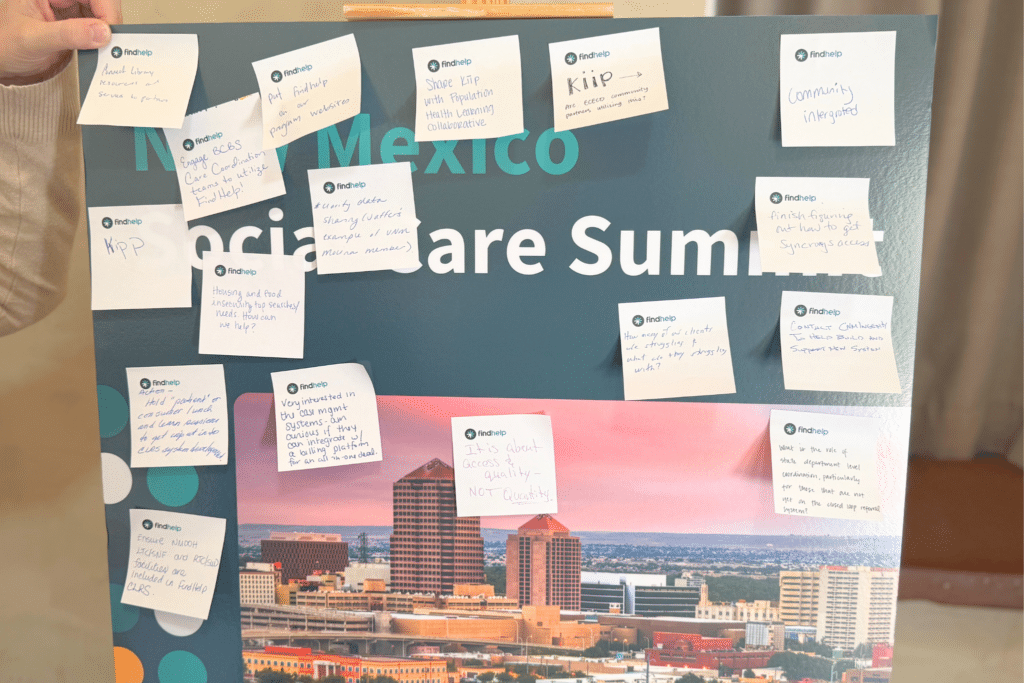
In New Mexico, systems are being rewired with intention. Not just to refer, but to respond. Not just to build infrastructure, but to build trust. At the New Mexico Social Care Summit, leaders across state agencies, healthcare, and community organizations came together around a shared premise: connection is the work.
Read on for key takeaways:

Connection is the intervention: Better outcomes don’t come from more programs alone, but from systems that are truly connected and accountable to what happens next.
Community-led design is essential: New Mexico’s approach centers relationships, culture, and local leadership as the foundation for building an effective social care ecosystem.
Data + collaboration = direction: From managed care to community-based organizations, shared data is beginning to shape smarter investments, reveal gaps, and guide coordinated action statewide.
A special thank you to everyone who joined us and to our fantastic speakers for sharing their insight, experiences, and vision.
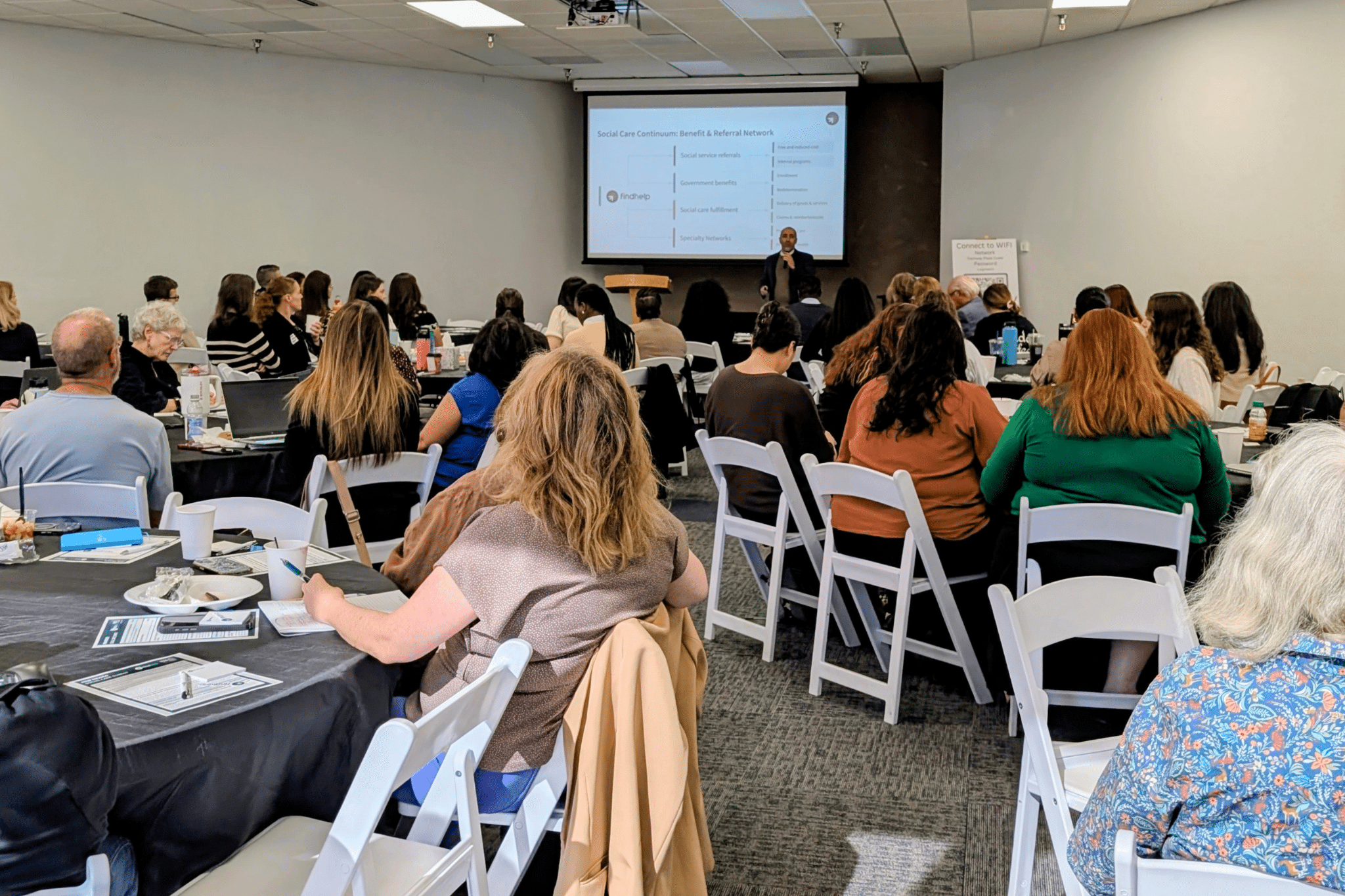
Highlights from the 2026 New Mexico Social Care Summit
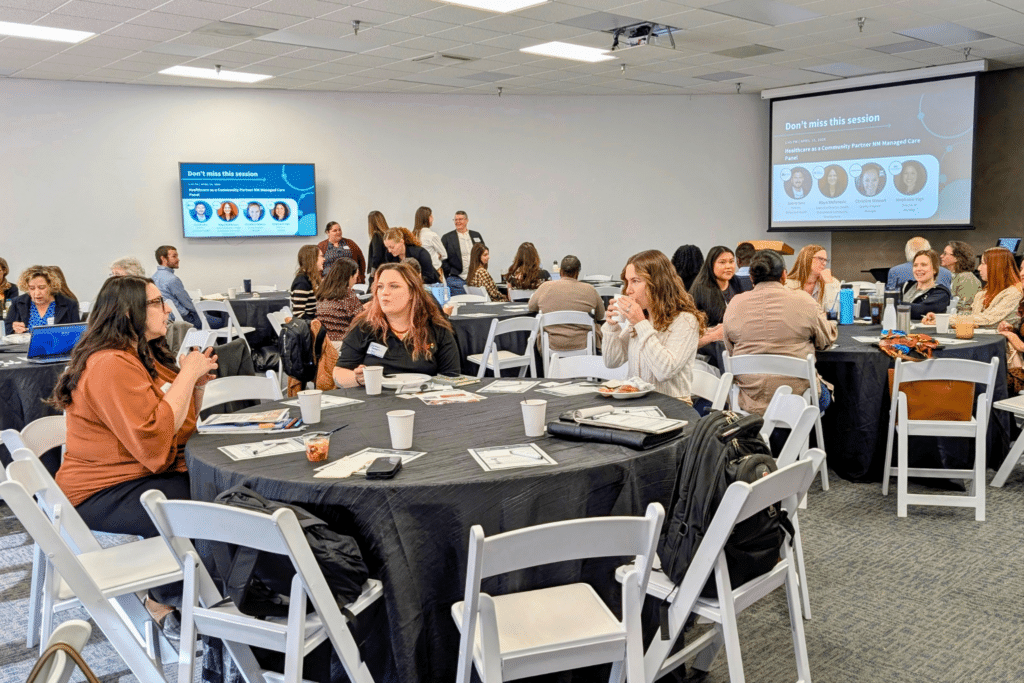
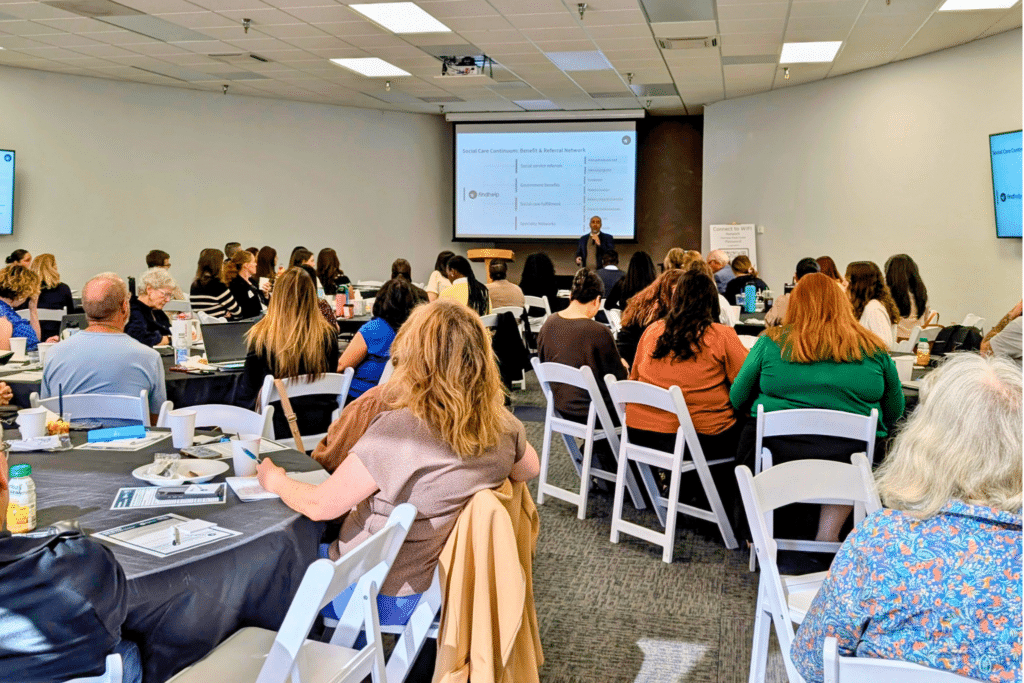
This year’s Summit featured 96 participants representing government agencies, healthcare providers, community organizations, and more:
Below are some of the key themes and takeaways from a day of learning and sharing.
A system rooted in lived experience
Kathy Slater-Huff, Deputy Cabinet Secretary of the New Mexico Health Care Authority, opened the Summit with a story that grounded the day in something deeper than policy.
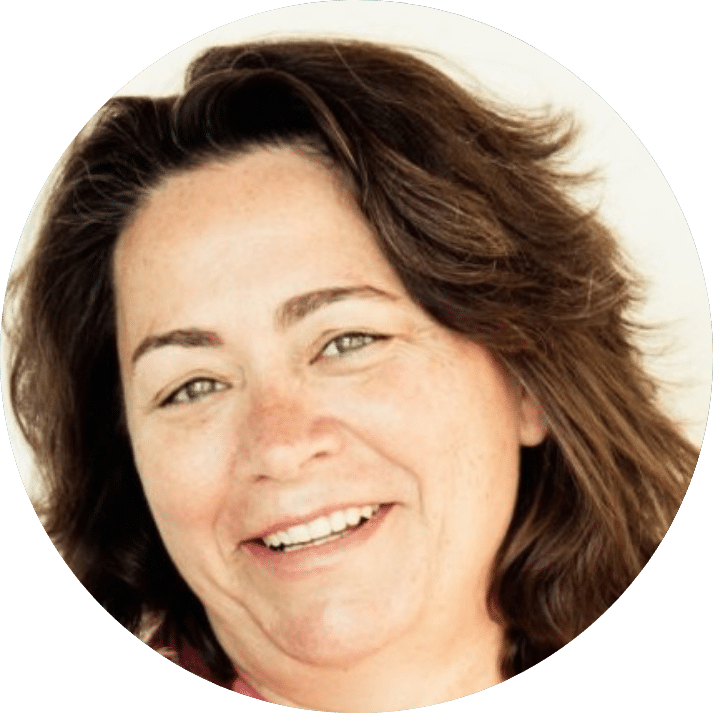
“No matter how hard my dad worked, he still needed help. This work is personal, it’s about people, it’s about dignity, and connection.”
Kathy Slater-Huff
Deputy Cabinet Secretary, New Mexico Health Care Authority
Her experience navigating public assistance as a child shaped her understanding of today’s systems—and their gaps. “The not knowing was not unique, it was and is the pattern”, she said. That pattern is exactly what New Mexico is working to change through YesNMConnect: a unified, statewide approach to social care, one with “no wrong doors and no dead ends”.
At its core, this work is about designing systems that reflect the realities of the people they serve. Kathy emphasized, “When systems are connected, people don’t have to repeat their stories”.
And doing so in a way that honors the state’s diversity, the diverse cultures, traditions, and strengths that define the state of New Mexico. The vision is clear: move from fragmented transactions to coordinated care that feels human.
“Building a system that is responsive, not reactive. Relational, not transactional.”
Kathy Slater-Huff
Deputy Cabinet Secretary, New Mexico Health Care Authority
From referrals to real outcomes
Across sessions, one theme echoed: referrals alone are not enough. In a panel on public health and aging, speakers like Susan Garcia, Director of Health Equity at the New Mexico Department of Health, highlighted how a connected system can fundamentally change outcomes.
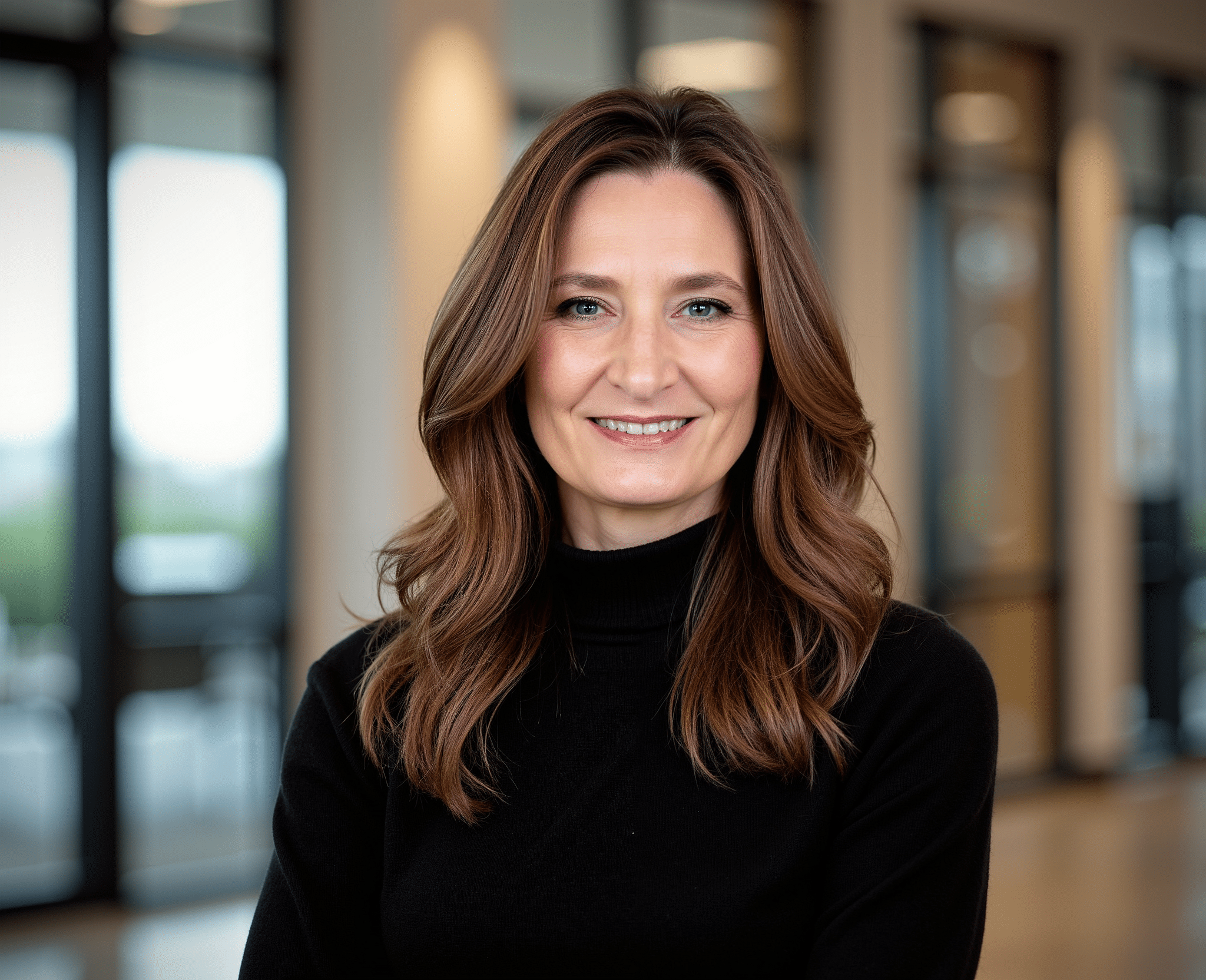
“When clinical providers make referrals to social care, it’s a powerful thing… The more we learn about healthcare, the more we realize how much of what predicts an individual’s outcomes is related to the social drivers of health.”
Susan Garcia
Director of Health Equity, New Mexico Department of Health
But without visibility into what happens next, that power is limited. “All too often in systems, we give people this information, and that person goes away and we have no idea what happened to them”, Susan said.
A connected, statewide platform changes that equation, and replaces outdated workflows that have long defined social care. As Susan puts it: “Reducing the sticky note referral. They’re really hard to track. This will allow us to change that way of working”.
In a geographically vast state, connection also helps overcome distance itself, as people may travel hours to receive care.
Building the network, together
In communities like Curry County, implementation is already taking shape.
Local leaders are bringing together cross-sector partners, training teams, and embedding YesNMConnect (the state’s social care platform, powered by Findhelp) into everyday workflows. The work is both practical and deeply collaborative, focused on reducing fragmentation and increasing follow-through.
At the same time, initiatives like Project ECHO are expanding capacity across the state by sharing knowledge rather than relocating resources, and reinforcing a model of shared learning.
“All of us teach and all of us learn.”
Crystal Morales
Sr. Program Manager, Project ECHO
This approach is helping organizations that once operated in isolation become part of a broader, more coordinated network.
Data as a compass for action
For managed care organizations, the shift toward connected systems is unlocking new ways to understand and respond to member needs. By integrating social care data directly into care coordination workflows, teams can identify gaps, track outcomes, and refine programs in real time.
“What’s the dose we need to get somebody to thrive? How much housing, food, transportation do we need? We cannot be resource-dumb. We can’t be putting resources into the same things and miss other areas that would have a greater impact.”
Kyra Ochoa
Long Term Care Division Director, New Mexico Aging & Long-Term Services Department
The ability to compare referral fulfillment, analyze engagement, and identify resource deserts is already shaping how organizations allocate funding and prioritize interventions. Just as importantly, collaboration across MCOs is becoming a defining feature of the work.
Shared goals, coordinated outreach, and aligned strategies are helping reduce duplication and create a more seamless experience for both members and community-based organizations.
Still, speakers emphasized that data alone isn’t enough. It must be paired with:
- Real investment in community organizations
- Clear communication
- Consistent training
- Strong feedback loops
Designing for trust, not just technology
The closing keynote brought the conversation back to what matters most: people.
Dr. Rohini McKee shared a story that illustrated the consequences of disconnected systems—and the opportunity to reimagine them.
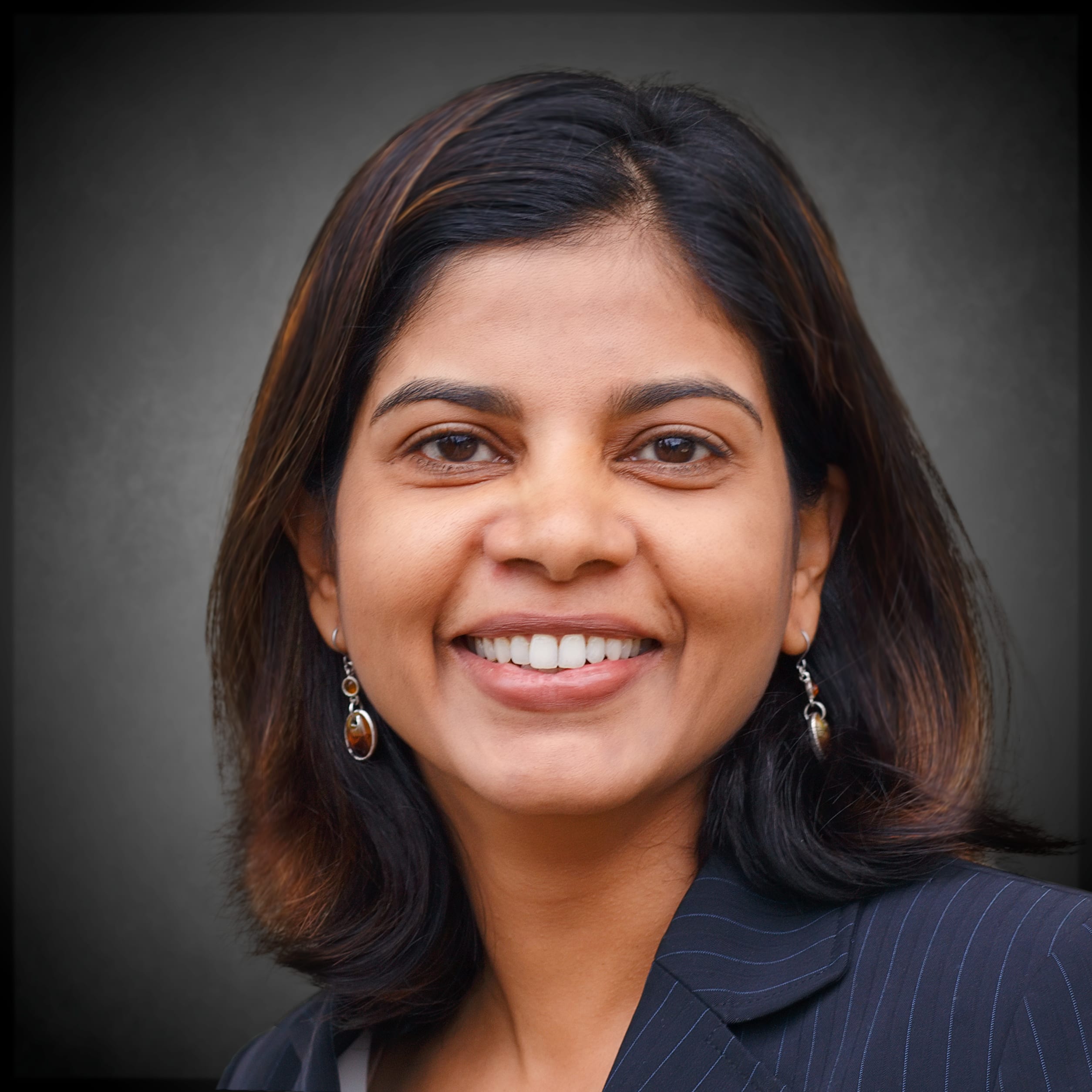
“Re-imagine the story of the woman who came to the hospital. Everyone in the story was doing the right thing – the clinic called her, the system was ready for her emergency care. Reimagined, you have the same people, same resources, and same story, just connected.”
Dr. Rohini McKee
Chief Quality & Safety Officer, University of New Mexico Hospital
She challenged attendees to think beyond tools and referrals, and instead focus on designing systems that people trust.
The stakes are high. When systems fail to connect, the impact is felt across the entire continuum of care: “We are the state’s hospital. When care is fragmented, it shows up at our doorstep,” said Dr. Rohini.
But the path forward is within reach.
“We can’t fund our way out of this, or hire our way out of this, we have to connect our way through this.”
Dr. Rohini McKee
Chief Quality & Safety Officer, University of New Mexico Hospital
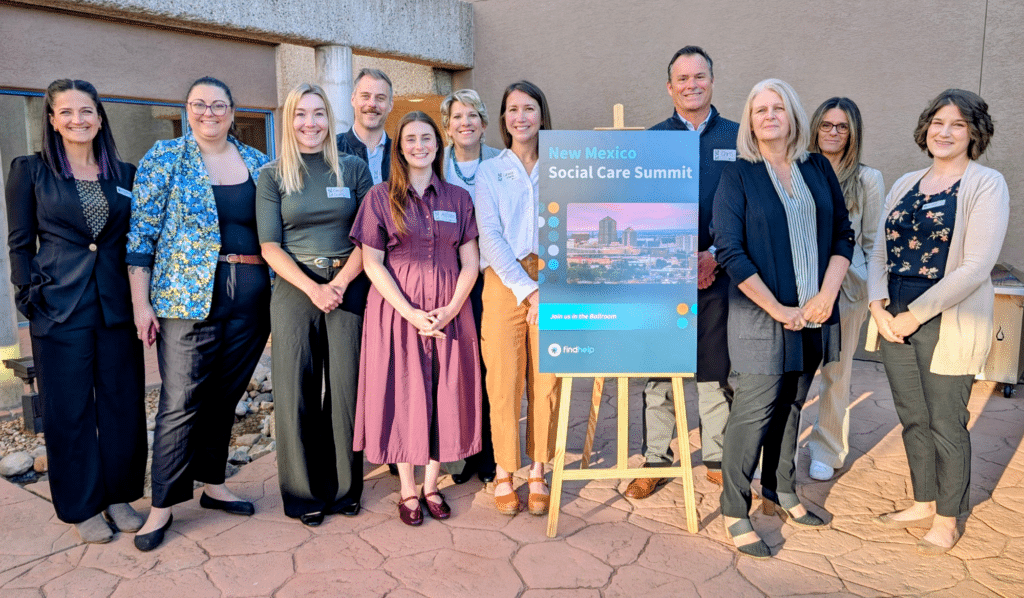
Beyond the Summit: Our work in New Mexico
While the Summit provided a rich day of insight and connection, the real work continues — in homes, clinics, schools, and community hubs across the state.
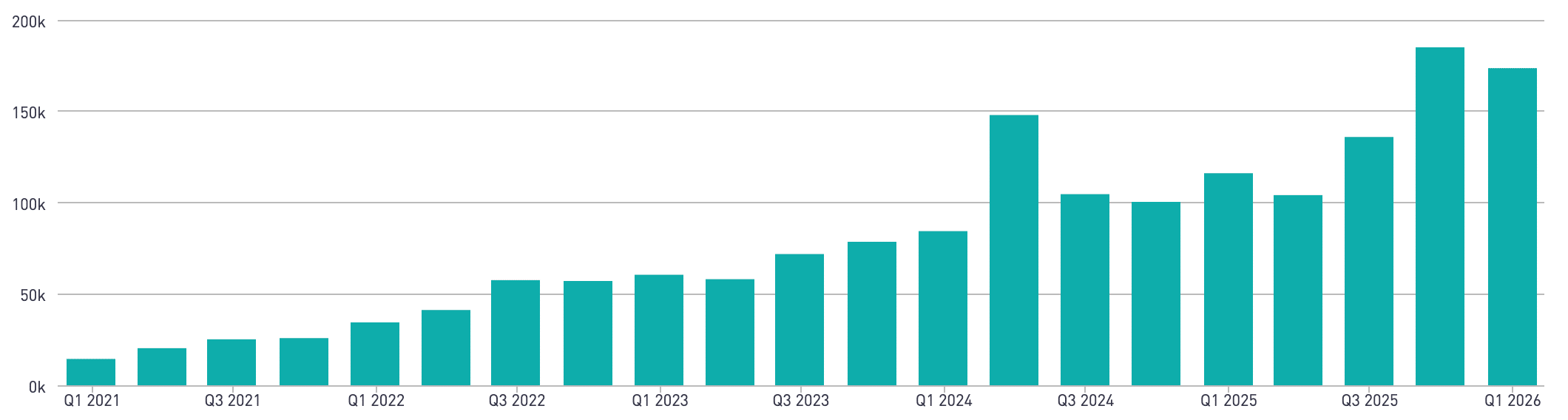
Some of the numbers that show the scale and momentum:
- 3,419 listed programs serving New Mexico
- 690,000 users across the state
- 1.8 million searches for resources
- 6,300 social needs assessments completed
- 100% of counties have claimed programs
As of April 2026, we partner with more than 35 customers throughout the state to connect their patients, members, students, constituents, and clients to local resources. Our data and analytic tools can identify gaps in services and provide actionable insights to inform strategy and public policy.
Where New Mexico social care goes from here
The summit closed with a clear sense of momentum. New Mexico is not starting from scratch. It is building on relationships, resilience, and a shared commitment to doing things differently. The blueprint is taking shape. Now, the work is to keep connecting the dots.
“Transformation doesn’t happen at the policy level alone. It happens in the moments when we choose to act together, in community, in a system built in New Mexico.”
Kathy Slater-Huff
Deputy Cabinet Secretary, New Mexico Health Care Authority
If you’re interested in how Findhelp can support your work — whether you’re a health system, community-based organization, payer, or state agency — we’d love to chat.