











New York Social Care Summit: Highlights from the Empire State
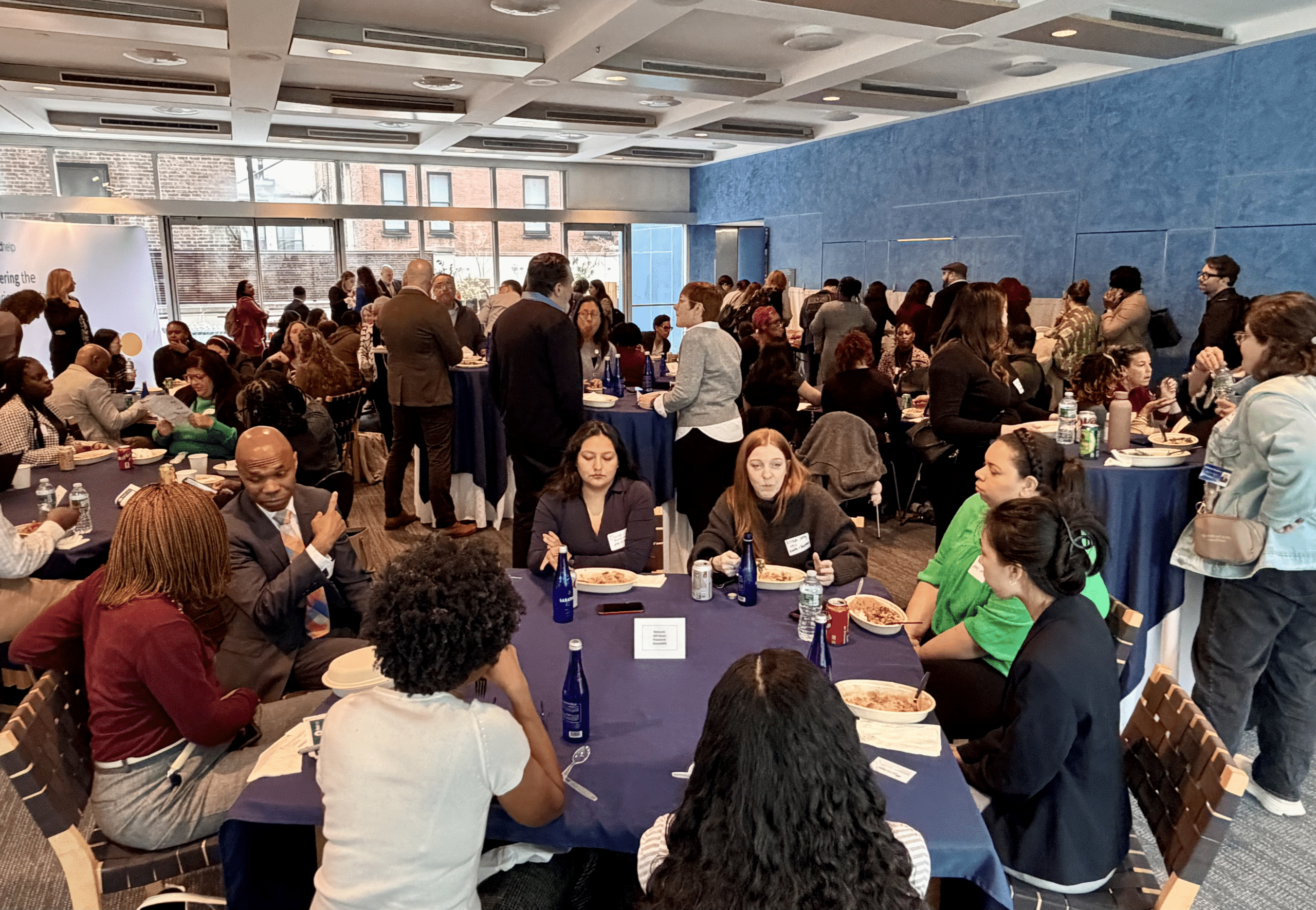
New York’s social care leaders came together for Findhelp’s New York Social Care Summit with a shared ambition: to transform a complex, fragmented safety net into a connected, data-driven ecosystem that works for everyone.
Across healthcare systems, community-based organizations (CBOs), policymakers, and technology leaders, one theme stood out:
Social care in New York isn’t just evolving—it’s scaling.
Read on for key takeaways:

New York is scaling social care through policy and technology, with the 1115 Waiver driving standardized, reimbursable, and connected care.
Benefits access is one of the most powerful levers to reduce poverty, but only if enrollment is simple, accessible, and trusted.
Cross-sector networks are turning pilots into population-level impact, building toward a future where social care is standard care.
A special thank you to everyone who joined us and to our fantastic speakers for sharing their insight, experiences, and vision.
Highlights from the 2026 New York Social Care Summit
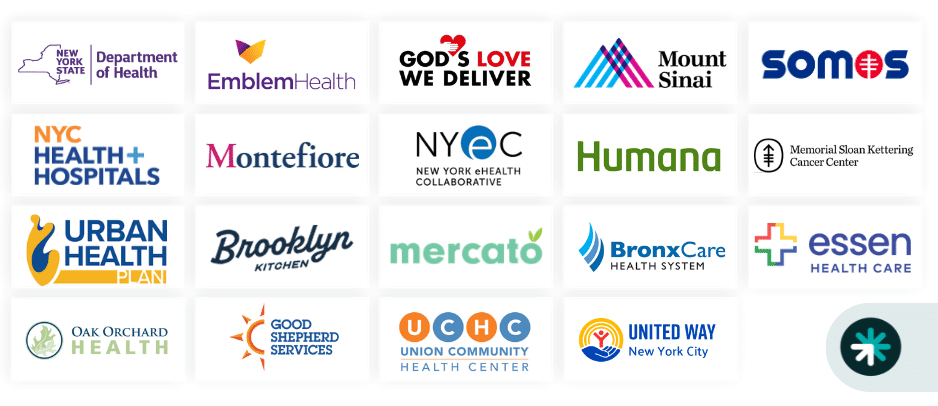
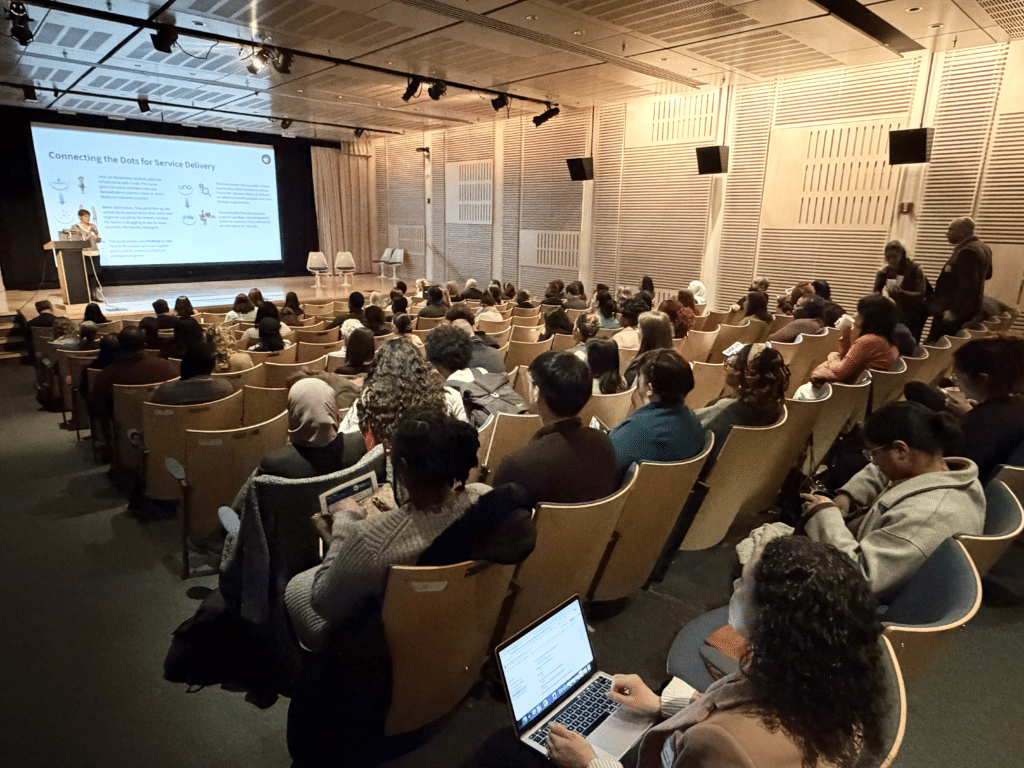
This year’s Summit featured 105 participants representing government agencies, healthcare providers, community organizations, and more:
Below are some of the key themes and takeaways from a day of learning and sharing.
Building the infrastructure for a connected future
The Summit opened with a clear vision: a fully integrated social care continuum that connects people to the services they need—quickly, accurately, and with dignity.
From eligibility and enrollment to referrals, service delivery, and reimbursement, Findhelp is building end-to-end coordination powered by shared data and interoperable systems.
“We believe there’s ‘no wrong door’ in social care; anyone seeking help should be able to go through any door.”
Andi Gillentine
VP, National Accounts at Findhelp
With the state’s 1115 Waiver reshaping how social care is funded and delivered, organizations are aligning around standardized needs assessments, codified data, and referrals to eligible services—ensuring people are connected to programs they can actually access.
At the same time, new tools are reducing friction for both navigators and community partners, turning what was once a maze into something closer to a guided pathway.
Unlocking the power of benefits access
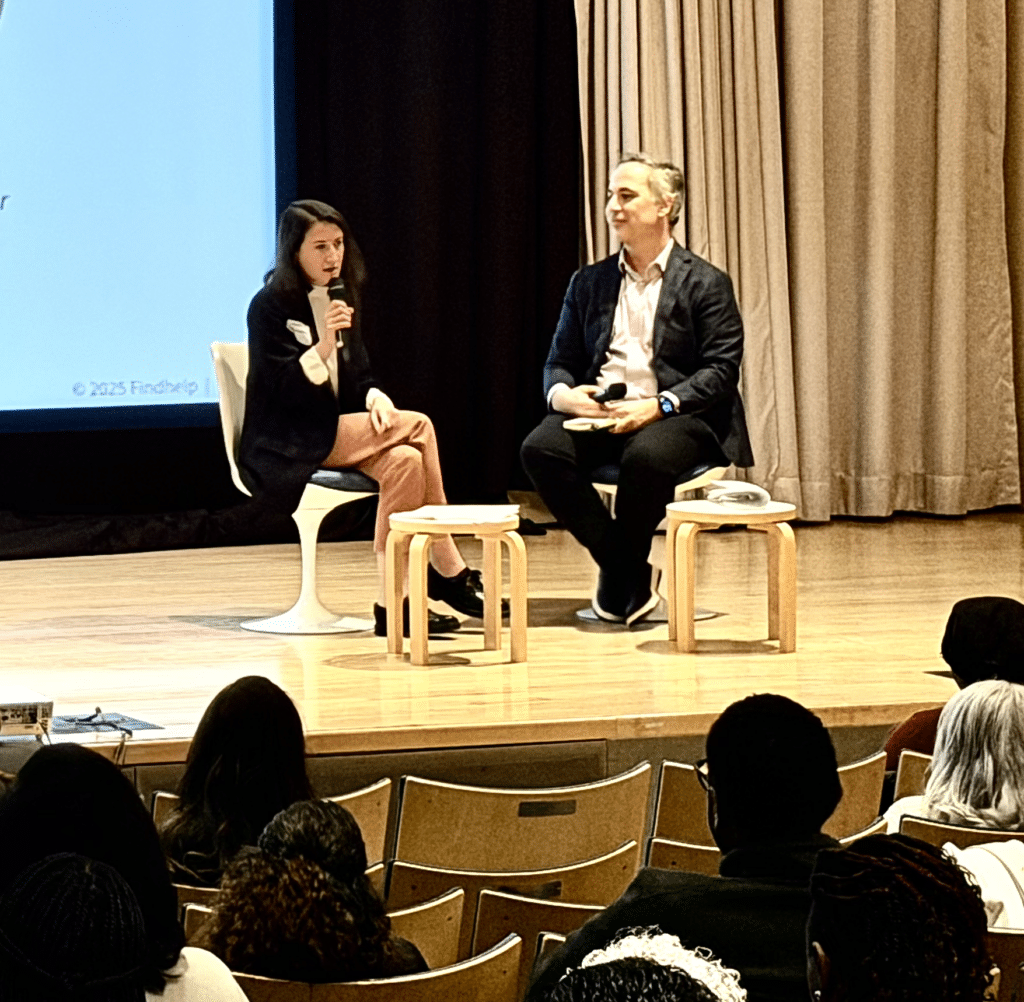
A fireside chat with leaders from Findhelp and the Robin Hood Foundation explored one of the most immediate ways to drive impact: helping people access the benefits they’re already eligible for.
The stakes are high.
“Benefit access is a key element of fighting poverty… when people take advantage of all benefits in NYC it reduces poverty by 25% for adults and 40% for children. Longer term, it helps improve academic performance, early childhood development, which translate into better lifetime outcomes.”
Matthew Klein
Chief Program & Impact Officer at Robin Hood Foundation
But accessing those benefits has historically been anything but simple. Complex applications, documentation requirements, and systemic barriers have left billions of dollars on the table—and millions without support.
Today, that’s changing.

“We can make it as easy as possible—so anyone, regardless of experience, can find and enroll in the support they need.”
Anna de Paula Hanika
Head of Uno Health at Findhelp
New innovations are streamlining eligibility, simplifying applications, and enabling both self-service and navigator-led enrollment.
Just as importantly, leaders emphasized that benefits access isn’t just about short-term relief—it’s a long-term investment in mobility, health, and economic stability.
From pilots to population-level impact
Across New York, organizations are moving beyond small-scale pilots and building networks designed to serve entire populations.
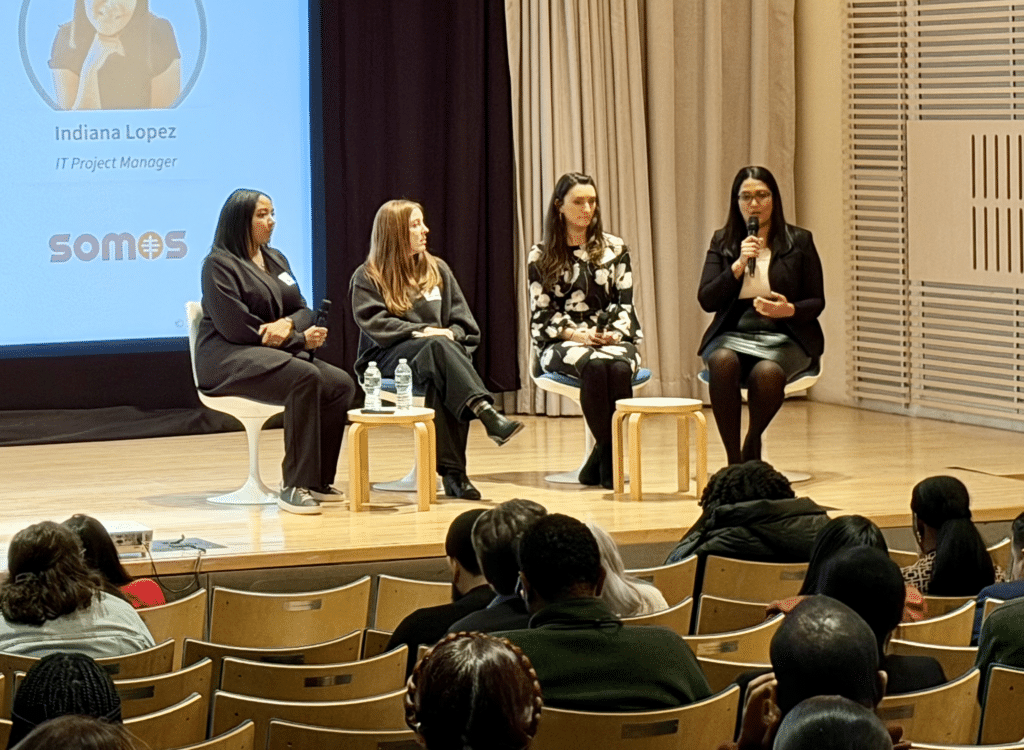
Leaders from NYC Health + Hospitals, SOMOS Community Care, and Value Network of Western New York shared how they are scaling social care through governance, partnership, and technology.
A common lesson: success starts with meeting partners where they are.

“They think Findhelp is going to be this magic solution that fixes all of their problems. And unfortunately, it doesn’t fix the systemic problems that exist, but it can support them in other ways.”
Kristen Song
Assistant Director, Social Medicine at NYC Health + Hospitals
From onboarding CBOs still using spreadsheets to integrating with complex health system workflows, flexibility has been critical. At the same time, organizations are investing in training, communication, and shared decision-making to build lasting buy-in.
“The way I see it, social care should be part of the standard of care in healthcare.”
Indiana Lopez
Director, Project Management at SOMOS Community Care
As these networks grow, so does their ability to demonstrate impact—using data to understand needs, improve outcomes, and inform future investment.
Designing networks that work in the real world
Implementation is where strategy meets reality, and where many organizations encounter their biggest challenges.
Sessions focused on navigation and workflow design revealed a simple but powerful truth: technology only works when it works for people. That means minimizing administrative burden, integrating into existing systems, and building trust at every step.
It also means rethinking how we engage individuals—especially when addressing sensitive needs like food insecurity or housing instability.
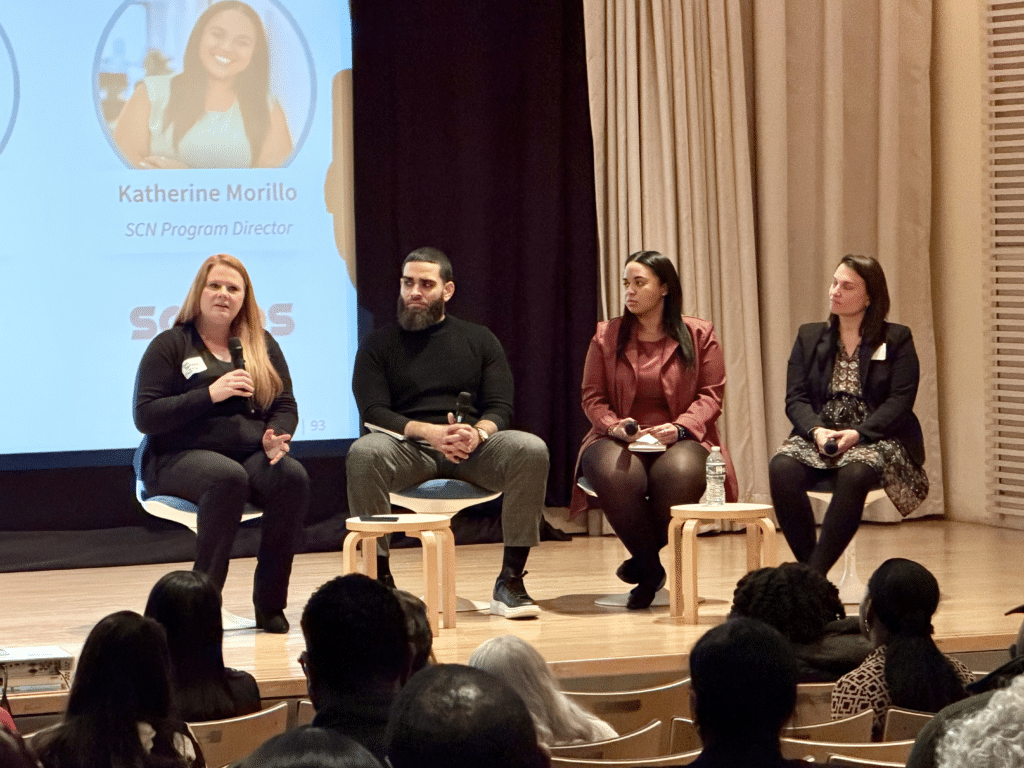
“Promoting, passionately, that this is healthcare—it’s not a handout… many of us are one financial crisis away from being in the same place as our members.”
Tara Barbato
Chief Financial Officer, Forward Leading Independent Physician Association (FLIPA)
Organizations are investing in trauma-informed care, motivational interviewing, and community-based navigation models to ensure people feel supported—not scrutinized.
And increasingly, they’re building systems that empower individuals to navigate on their own.
Closing the loop to prove what works
At the heart of New York’s approach is a focus on accountability and outcomes.
Closed-loop referrals—where providers can see whether someone actually received services—are becoming the standard, not the exception.

“We have 37 terabytes of healthcare data… so we’re looking into incorporating or integrating the social care data into that healthcare data… to see the impact that this is having,”
Richard Morban
Social Care Network IT Field Operations at SOMOS Community Care
This level of visibility is critical not only for care coordination, but for demonstrating the value of social care interventions.
Time and again, speakers emphasized that data—paired with real stories—will be key to sustaining and expanding this work.
“We had a member… who was going to the emergency room three or four times a week to receive her nebulizer treatment because she had no electricity. We paid her $450 utility bill and saved the Medicaid system dozens of ER visits.”
Tara Barbato
Chief Financial Officer, Forward Leading Independent Physician Association (FLIPA)
Modernizing the safety net for what comes next
As policy changes, economic pressures, and new requirements reshape the landscape, New York is preparing for what’s ahead. From Medicaid redetermination to work requirements, the need for streamlined, scalable solutions has never been greater.
Findhelp’s evolving platform is designed to meet that moment—integrating eligibility, navigation, referrals, and compliance into a single, connected experience. Looking forward, innovations like personalized search, AI-powered navigation, and expanded behavioral health networks will continue to push the system toward something more proactive, accessible, and human-centered.
With strong leadership, innovative tools, and a growing network of committed partners, New York is helping define what the future of social care can look like—not just in one state, but across the country.
And this is only the beginning.

“We’re all swimming together… this work doesn’t happen without partnership, trust, empathy, and dedication.”
Carla Nelson
Sr. Director of Health Care & Public Policy at Findhelp
Caring for our neighbors
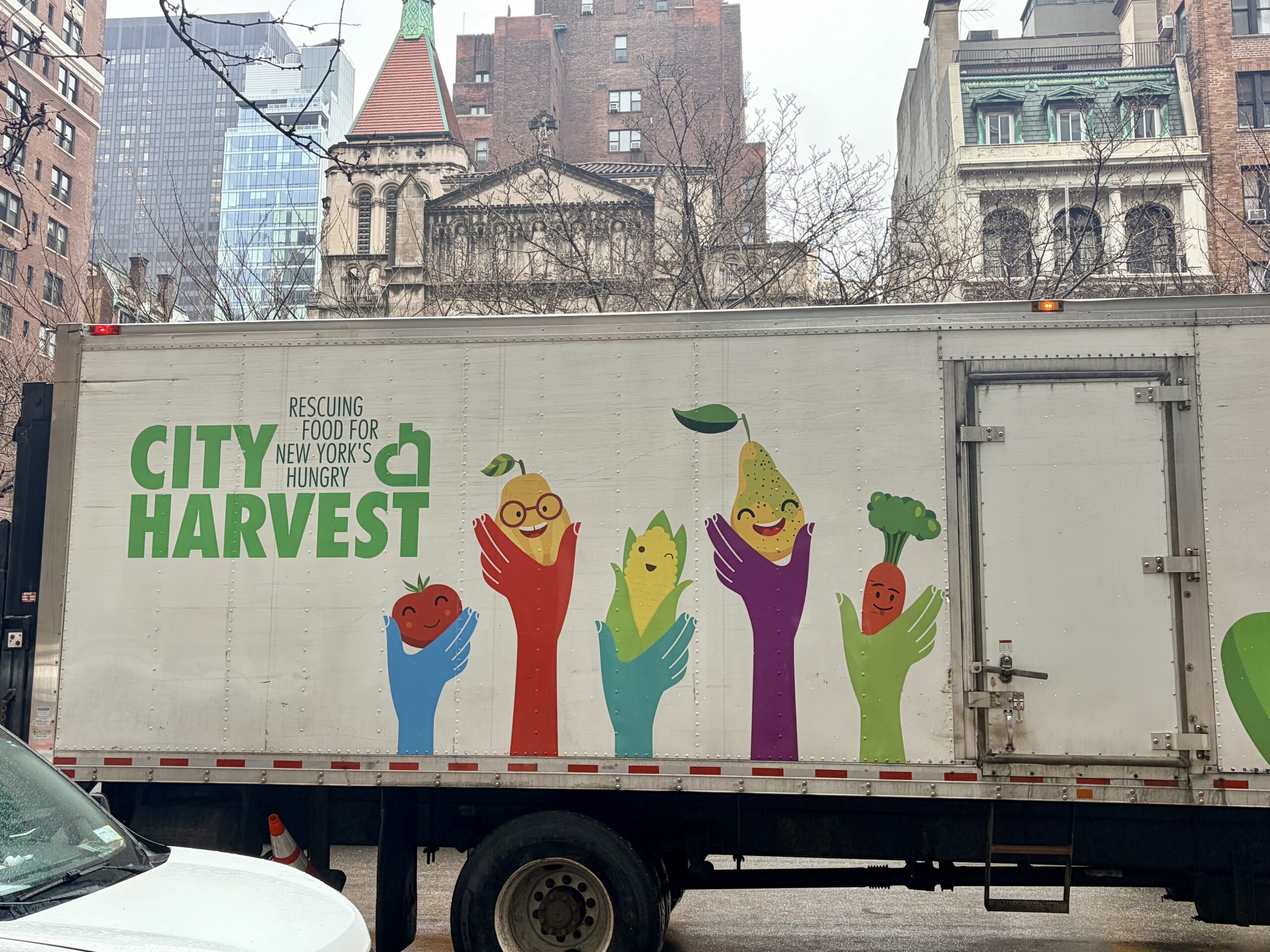
We’re grateful to the City Harvest Food Rescue Center—a local nonprofit that rescues perfectly good, nutritious food that would otherwise go to waste.
They stopped by the Summit to pick up the extra food and beverages to share with New Yorkers experiencing hunger.
Beyond the Summit: Our work in New York
While the Summit provided a rich day of insight and connection, the real work continues — in homes, clinics, schools, and community hubs across New York.
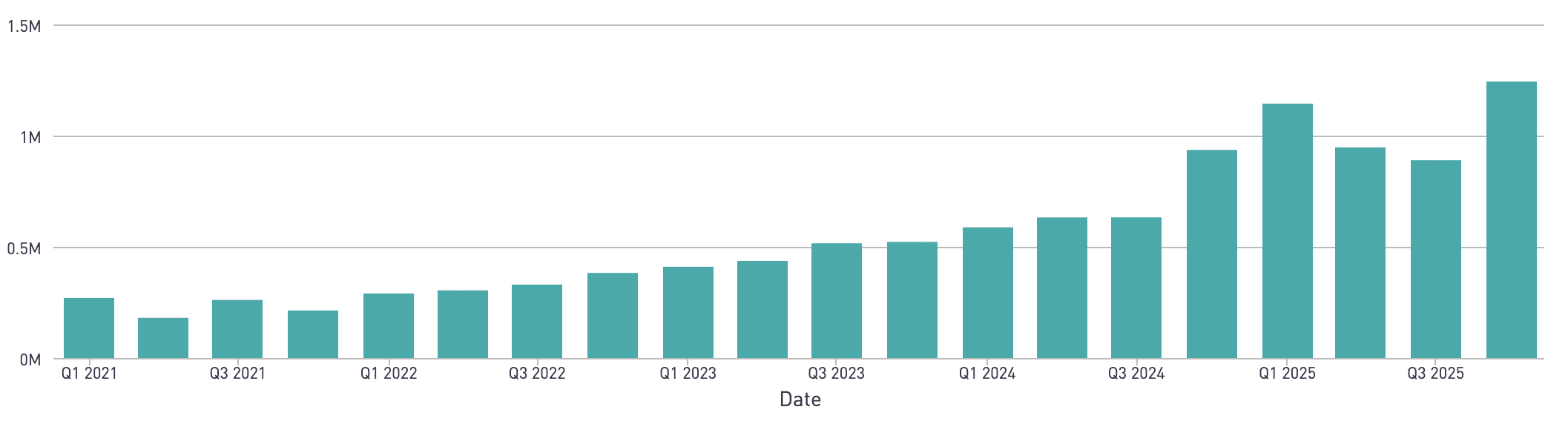
Some of the numbers that show the scale and momentum:
- 12,580 listed programs serving New York
- 3.1 million users across the state
- 9.9 million searches for resources
- 624,000 social needs assessments completed
- 100% of counties have claimed programs
As of March 2026, we partner with more than 44 customers throughout the state to connect their patients, members, students, constituents, and clients to local resources. Our data and analytic tools can identify gaps in services and provide actionable insights to inform strategy and public policy.
Together, with our New York partners, we’re building toward a future where social care is not an afterthought — but a foundational part of how health, housing, and human services work together.
Let’s keep the conversation going
If you’re interested in how Findhelp can support your work in New York — whether you’re a health system, community-based organization, payer, or state agency — we’d love to chat.