










Missouri Social Care Summit: Highlights from the Show-Me State
The Missouri Social Care Summit brought leaders from health systems, state agencies, schools, and community-based organizations (CBOs) into one room to share strategies, celebrate regional milestones, and chart a path toward whole person care across the state.
Missouri is experiencing significant momentum in social care integration. Through initiatives like the state’s Rural Health Transformation Program (RHTP) and the statewide expansion of platforms like Missouri Family Resources, local partners are building a connected ecosystem that links clinical care with essential social supports.
The Summit featured insights from experts across the state, including:
- The Lewis and Clark Information Exchange
- Saint Luke’s Health System
- Missouri Department of Elementary and Secondary Education
- Mosaic Life Care
- Missouri Rural Health Association
- Missouri Behavioral Health Council
Read on for key takeaways:

Community-centered data alignment: Social care systems must prioritize human needs over technical complexity, ensuring individuals receive support regardless of which software platform a provider uses.
Sustainable local co-ownership: Transitioning from static paper resource binders to digital directories succeeds when community organizations actively claim and maintain their program profiles.
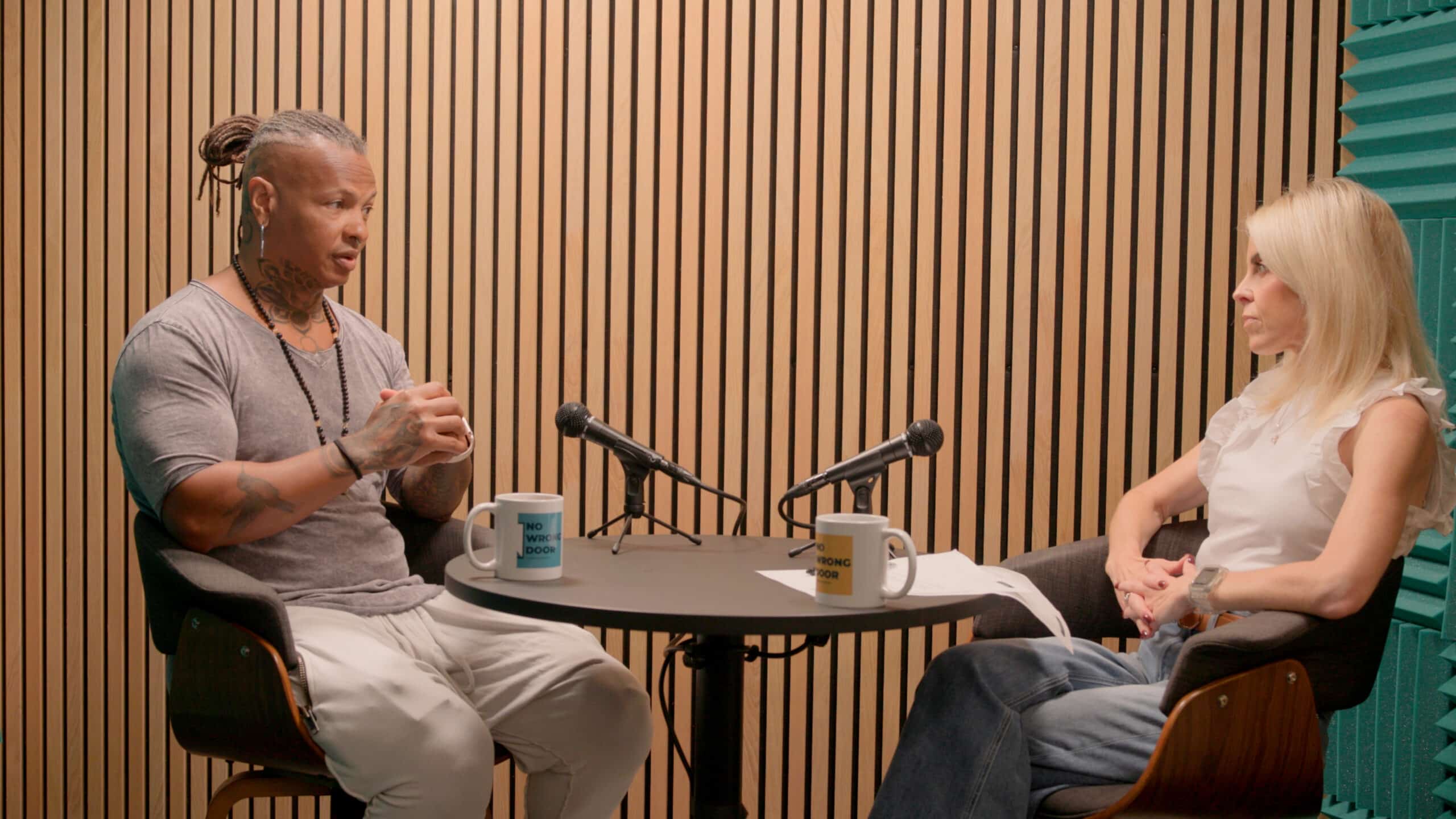
Cross-sector integration: Blending social care navigation into clinical care workflows, school systems, and behavioral health portals creates a true “no wrong door” approach for Missouri residents.
A special thank you to everyone who joined us and to our fantastic speakers for sharing their insight, experiences, and vision.
Highlights from the 2026 Missouri Social Care Summit
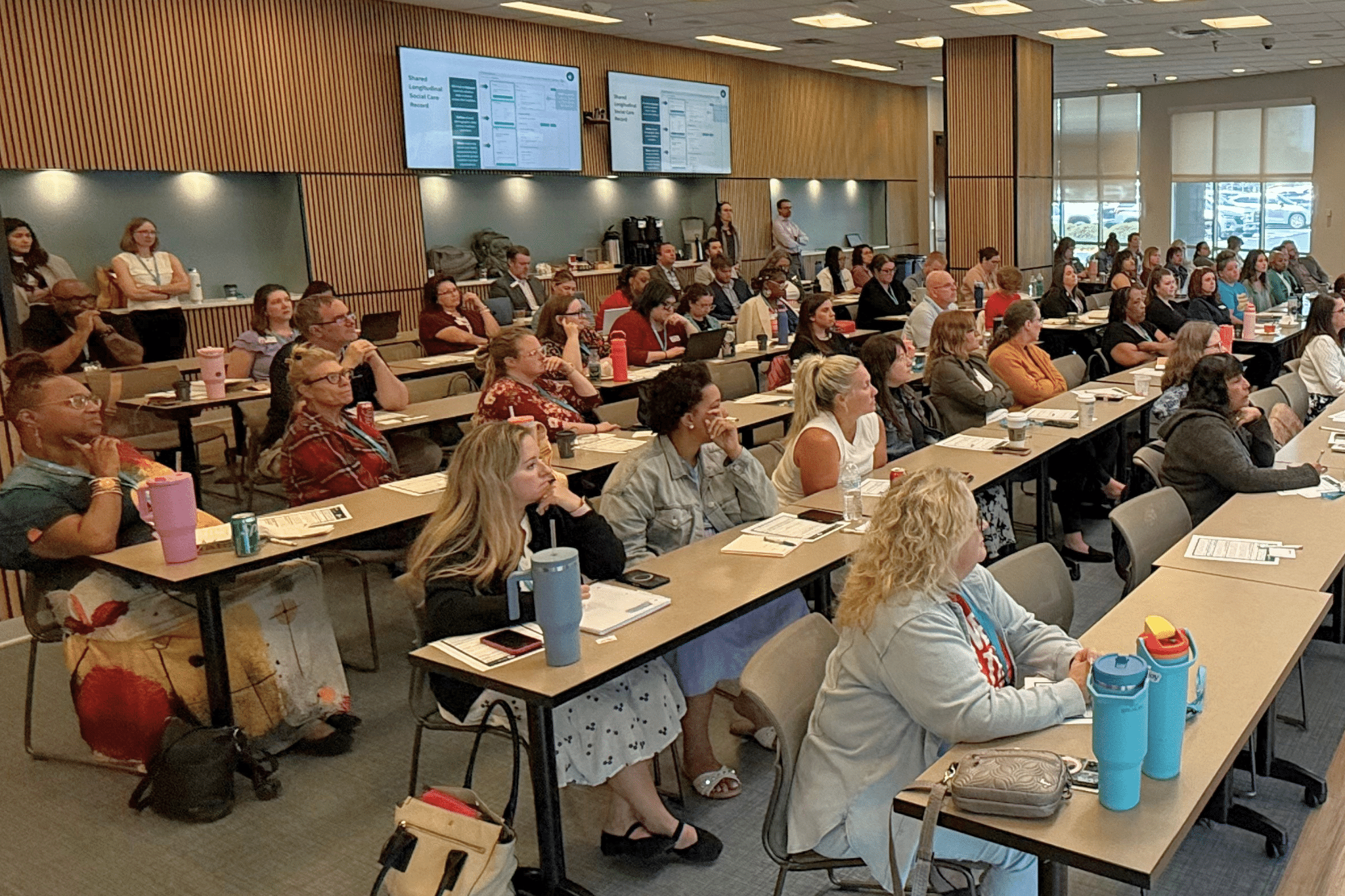
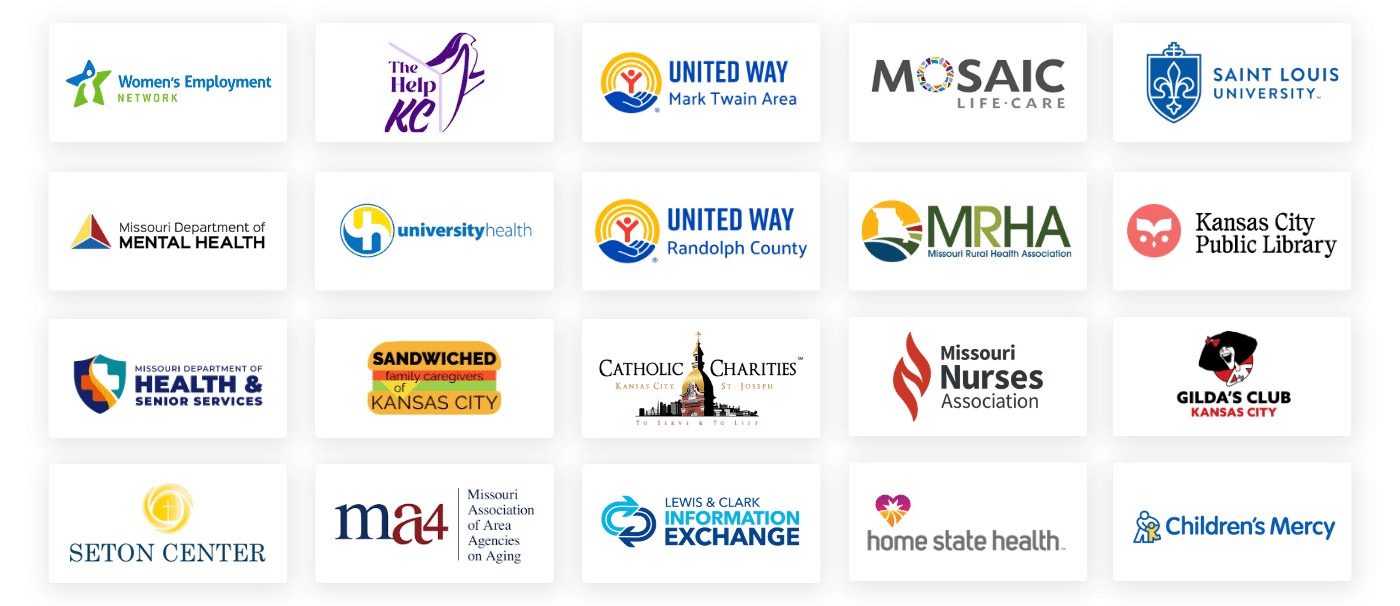
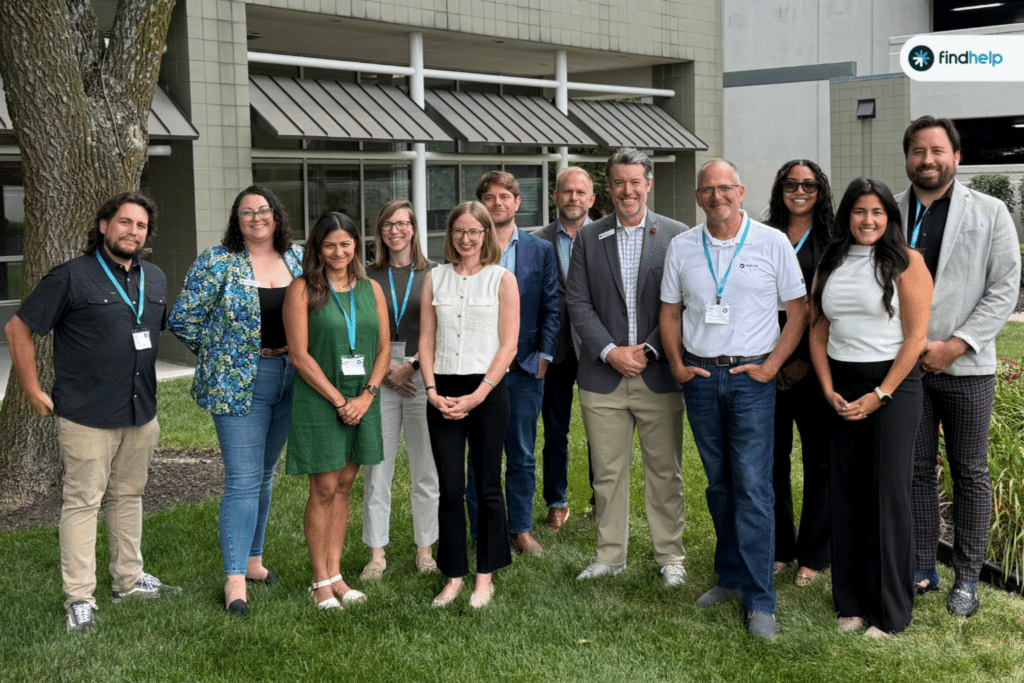
This year’s Summit featured 70 participants representing government agencies, healthcare providers, community organizations, and more:
Below are some of the key themes and takeaways from a day of learning and sharing.
Bridging the divide in rural health transformation
Paul Sorensen, Chief Impact Officer at Lewis and Clark Information Exchange, opened the Summit. He led attendees on a deep dive through Missouri’s evolving data exchange infrastructure. Missouri is establishing 27 Community Care Hubs and regional coordinating networks under the Rural Health Transformation Program. The goal? Connect healthcare systems, schools, and nonprofits.
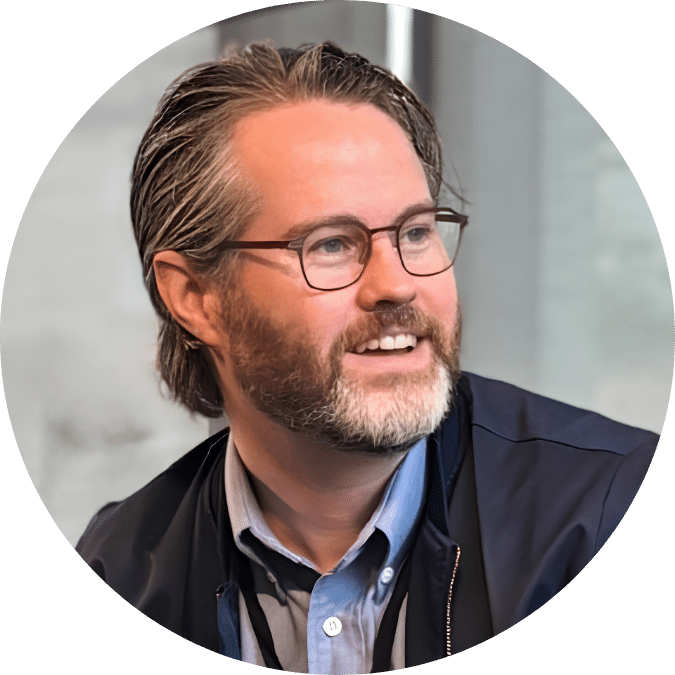
“People should always be at the center of community information exchange… There should never be a circumstance in which someone doesn’t get access to a service that they need because they happen to use the wrong platform or the provider happens to use the wrong platform.”
Paul Sorensen
Chief Impact Officer
Lewis and Clark Information Exchange
Paul highlighted that while data systems and social care referral platforms vary across sectors, technical design must serve human care management. He emphasized that true interoperability requires aligned values across diverse stakeholders. Technology should enable collaboration rather than create barriers.
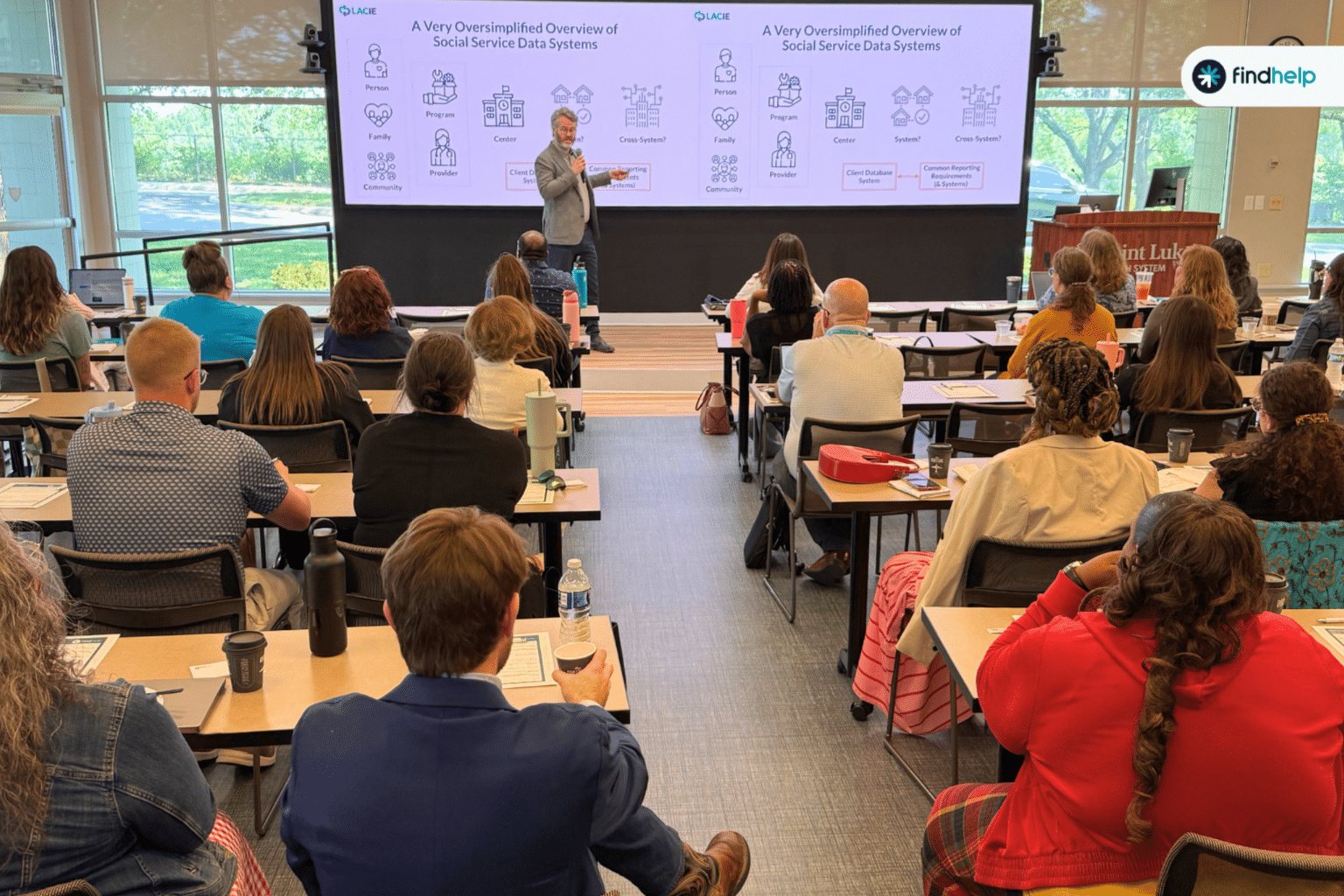
Driving Missouri’s connected future through an integrated safety net
Glen Chambers, SVP of External Relations at Findhelp, shared our vision for an integrated social care network across Missouri and Kansas.
In Missouri alone, our network supports:
- 2.5 million users
- 8.2 million searches across the state
- 1,712 in-network community organizations
- 8,223 available social care programs
By establishing a modern, standards-based safety net infrastructure, we’re helping local coalitions track longitudinal outcomes, streamline eligibility, and connect disparate systems.
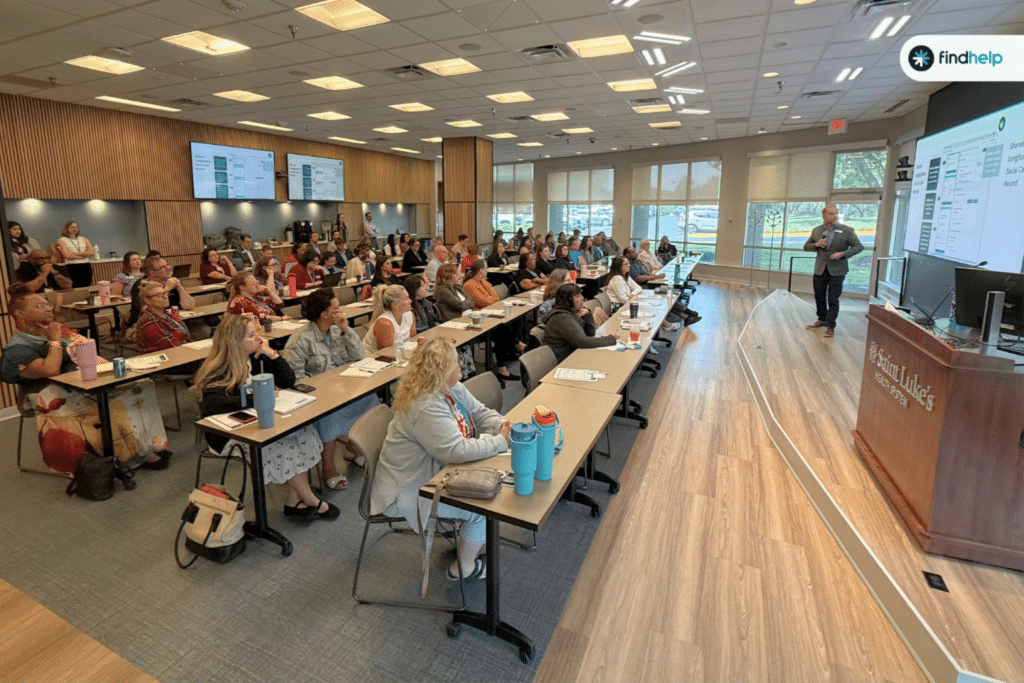
How Saint Luke’s Health System screens and intervenes
Kristin Repp, Director of Population Health, and Meredith Cantrell, Program Manager of Community Health Initiatives at Saint Luke’s Health System, detailed how their team operationalized social drivers of health (SDoH) screenings within primary care and inpatient settings.
In 2025, Saint Luke’s screened nearly 15,000 patients who tested positive for unmet social needs. Among those screened:
- 3,600 patients indicated food insecurity.
- 4,300 patients reported transportation challenges.
To address these needs without overwhelming clinical teams, Saint Luke’s established low-, medium-, and high-touch workflow options embedded directly into their Epic electronic medical record.
Patients who request assistance can receive direct resource guides or warm handoffs to embedded Community Health Workers (CHWs) who initiate closed-loop referrals with trusted local CBOs.
Why 145+ Health Systems Integrate Epic and Findhelp
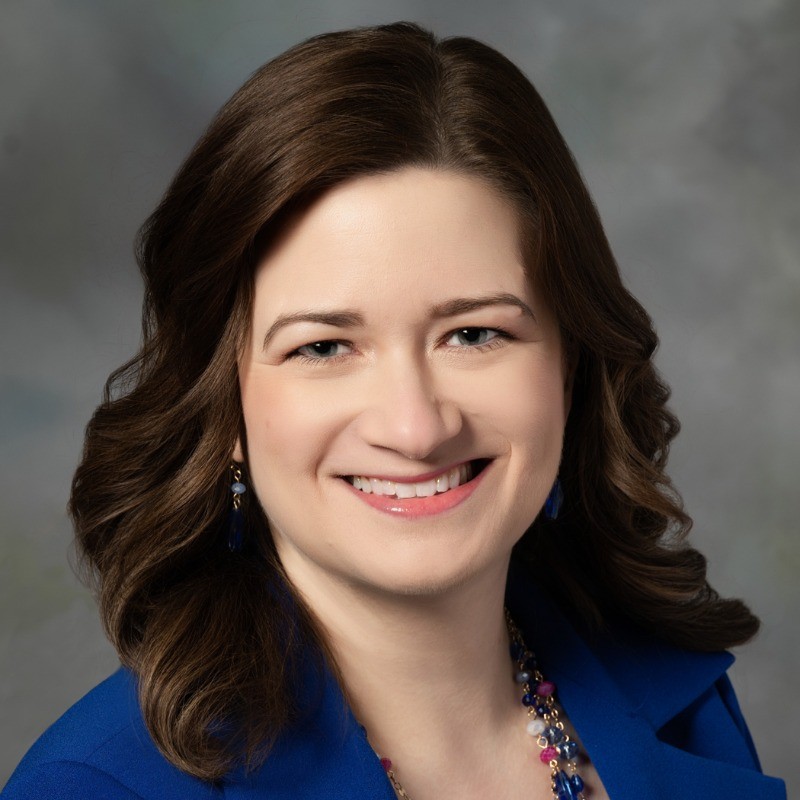
“Our goal is creating an environment where we can work together with patients, understand how they want to be served, and provide options for them to best navigate resources and get connected to support.”
Meredith Cantrell
Program Manager of Community Health Initiatives
Saint Luke’s Health System
Ditching the binders for statewide early childhood support
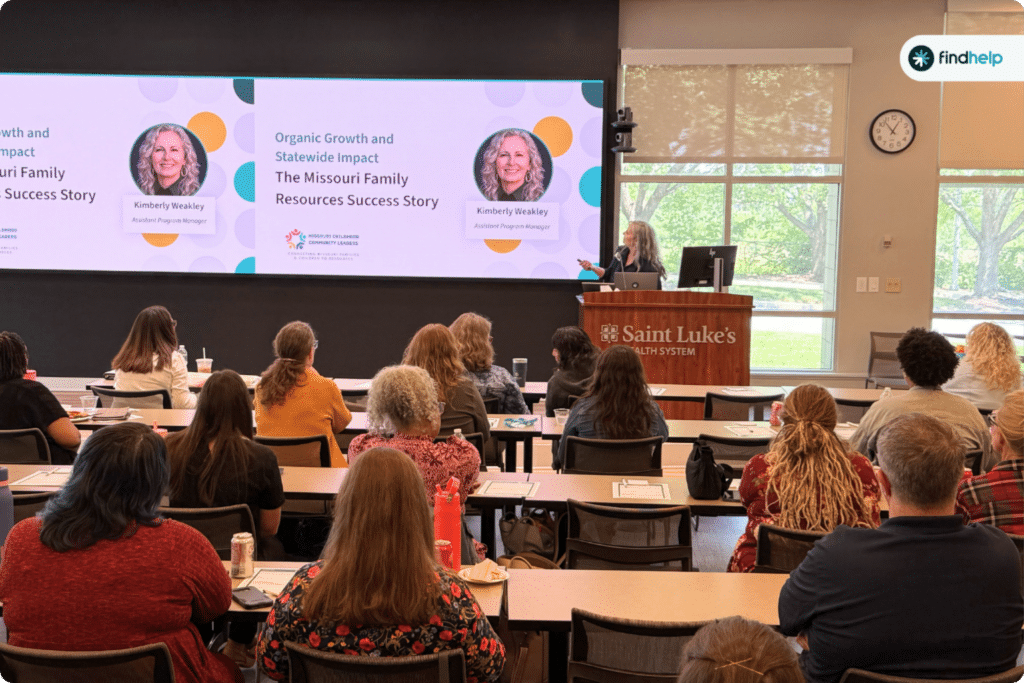
Kimberly Weakley, Mikala King, and Hailey Hoskens from the Missouri Department of Elementary and Secondary Education (DESE) and Missouri Childhood Community Leaders presented the rapid adoption of the Missouri Family Resources platform.
For years, early childhood educators and home visitors relied on heavy paper binders to look up community services. These are tools that quickly became outdated an couldn’t be trusted. Powered by Findhelp, the Missouri Family Resources digital platform allows parent educators and nurses to connect families to active, verified local support—right from their phones during home visits.
The platform’s impact over the past year includes:
- 56,840 searches conducted
- 659 new programs added
- 223 programs claimed by local CBOs
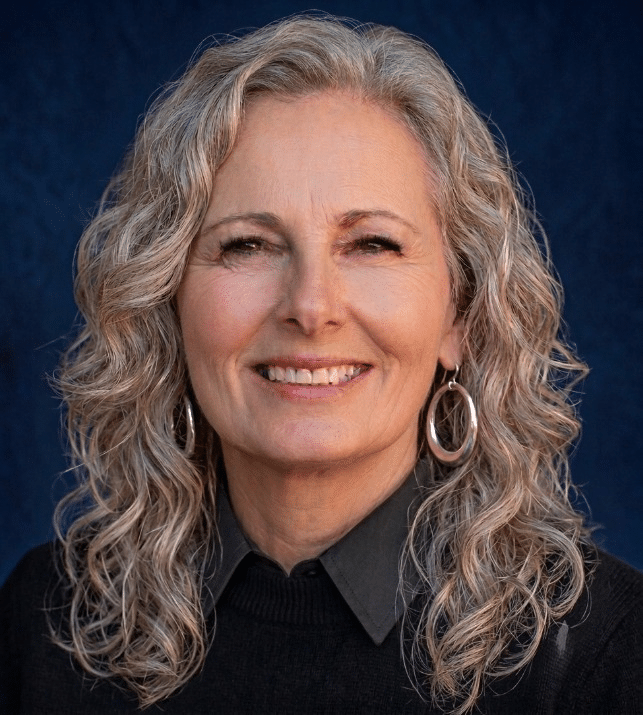
“Every time I scroll and see a claimed program checkmark on the program card [on Findhelp], my heart grows a little bit more.”
Kimberly Weakley
Assistant Program Manager
Missouri Childhood Community Leaders
Leveraging local relationships across rural Missouri landscapes
Building a reliable safety net in rural areas depends heavily on local trust and existing relationships.
Traci Spillman, Community Network Program Manager at Mosaic Life Care, shared how Mosaic developed the AIM Network—a trusted coalition of 26 member organizations working together in northwest Missouri to reduce duplicate efforts and improve accountability.
To make resource access easy for patients, Mosaic embedded Findhelp into their Epic EHR patient charts and added custom QR codes on patient After Visit Summaries (AVS). Between December and June alone, nearly 1,500 patients used those AVS QR codes to find help.
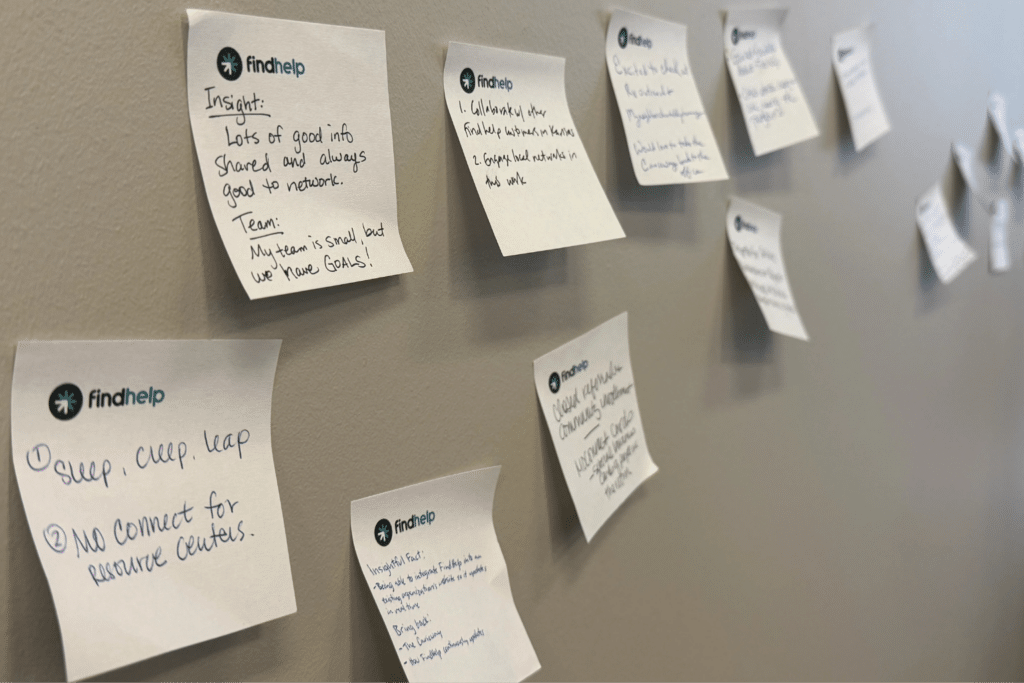
Libby Trammell, Community and Digital Advocacy Manager at the Missouri Rural Health Association (MRHA), presented their work with Causeway. A digital networking platform, it connects nearly 1,200 active healthcare workers, advocates, and care managers across rural Missouri. Causeway gives isolated rural providers a dedicated space to share knowledge, ask questions about local resources, and collaborate on solutions.
Overcoming silos in behavioral health navigation
Natalie Cook, SVP of Health Technology and Data Solutions at the Missouri Behavioral Health Council (MBHC), closed the customer sessions. She shared how MBHC modernized behavioral health resource navigation across the state.
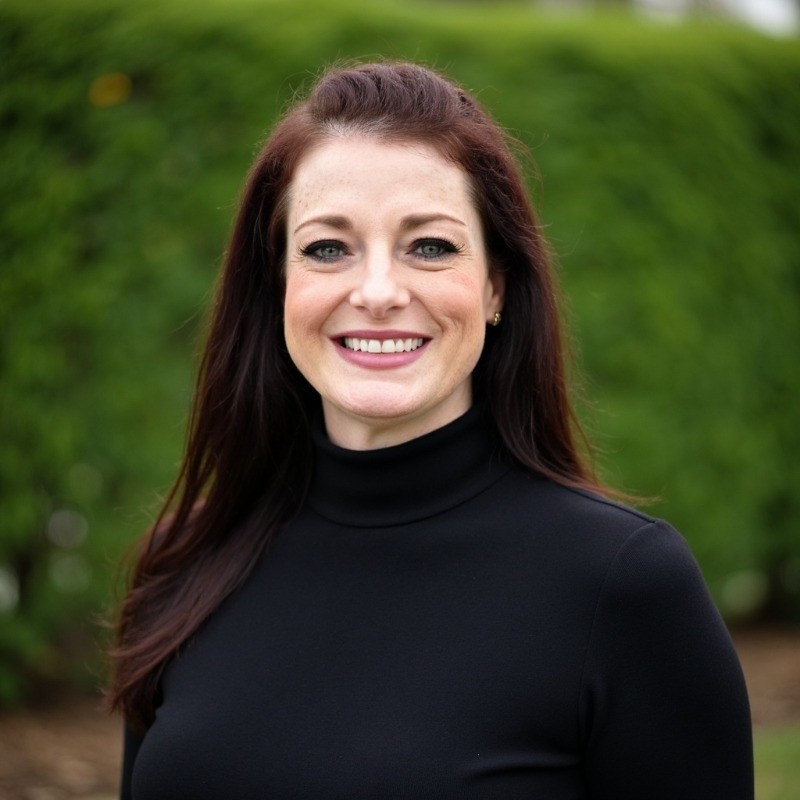
“We decided to move away from those paper manuals and we wanted to create a website that had all of our members’ information.”
Natalie Cook
SVP of Health Technology and Data Solutions
Missouri Behavioral Health Council
MBHC partnered with technology vendor Chorus Innovations to launch MoConnect (MoNavigator). To ensure individuals and caseworkers wouldn’t have to visit multiple websites to find social care support alongside mental health services, MBHC integrated Findhelp’s open API into the MoConnect platform. Now, users can search for mental health providers, crisis centers, 988 resources, and social services in a single place.
Let’s keep the conversation going
The Missouri Social Care Summit highlighted what is possible when regional stakeholders unite around a shared mission. By combining easy-to-use digital tools with local community trust, Missouri partners are building a resilient safety net.
If you’re interested in how Findhelp can support your work — whether you’re a health system, CBO, payer, or state agency — we’d love to chat.