










Beyond the Checkbox: Ep. 12 of the ‘No Wrong Door’ Podcast
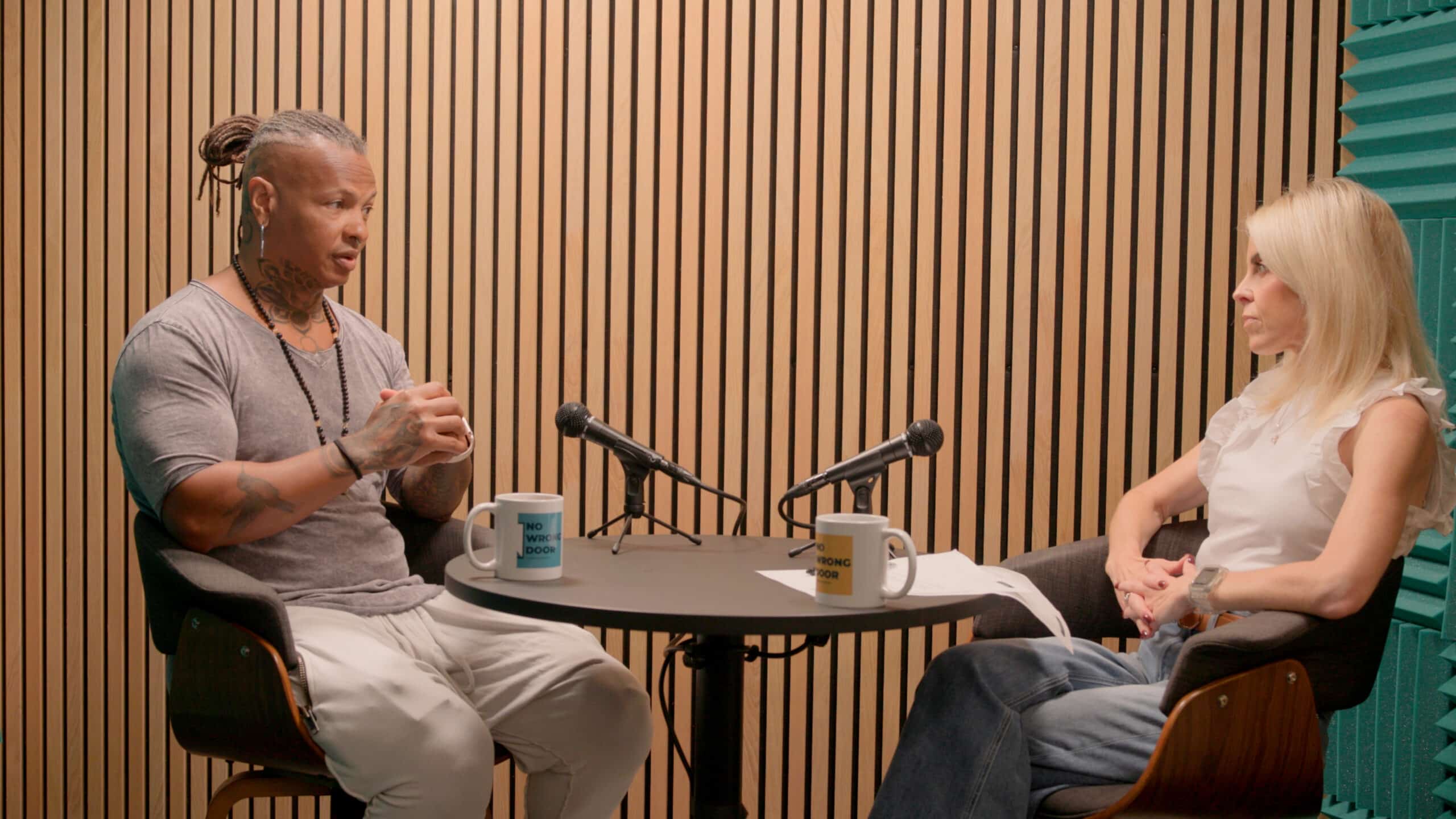
No Wrong Door is a podcast from Findhelp that explores how social care delivery is evolving to better support whole person care. Hosted by Findhelp’s VP of Marketing Amy Gordona, the series features conversations with social care experts, healthcare and government innovators, and Findhelp leaders who are shaping the future of access, coordination, and connected care.
Each episode offers an inside look at the systems, decisions, and ideas driving change—and what it takes to build a social safety net that works at scale.
Identifying social needs is a crucial first step for health plans, but the real operational challenge is building a system that can respond to those needs consistently, adaptively, and at scale.
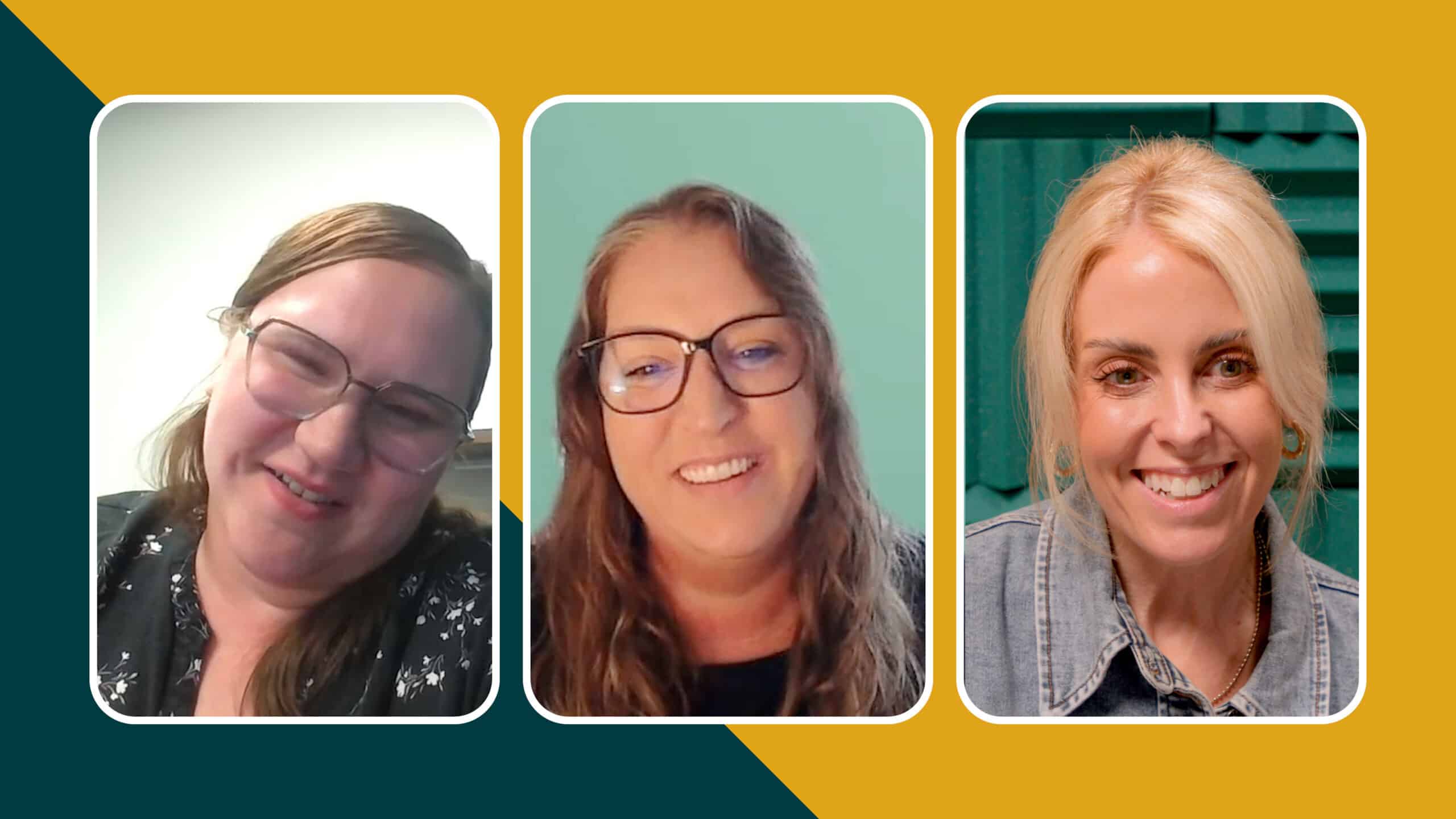
In Episode 12 of No Wrong Door, host Amy Gordona sits down with Tiffany Quirk (Program Manager of Health Equity Operations) and Anna Kanter-Musa (Manager of Advocacy and Community Health Services) from MHS Health Wisconsin (part of Centene Corporation). Together, they explore how MHS Health built a mature, risk-stratified social care model serving over 100,000 members. The health plan combined screening, care coordination, referral tracking, and real-time measurement into a cohesive approach that goes far beyond checking a box.
In this episode, we explore:

Moving “Beyond the Checkbox”: How MHS Health Wisconsin treats social screening as the start of care rather than the end goal—risk-stratifying social care needs and establishing clear, non-optional workflows for follow-through.
Proactive Rural & Urban Reach: How targeted outreach pilots in data-sparse rural Wisconsin counties drove a 172% increase in members self-reporting social drivers of health (SDoH) needs.
Measurable Financial and Clinical Impact: How establishing specialized roles—like dedicated housing specialists—helped achieve a 75% reduction in total utilization costs for members engaged in housing support.
Watch episode #12: “Beyond the Checkbox”
Key themes from the conversation
Building an effective risk-stratified social care model within a large health plan requires moving away from static resource binders and passive screening checklists. Anna and Tiffany detail the operational discipline, peer-led accountability, and data-driven strategy required for success.
Moving “beyond the checkbox” to risk-stratified action
Screening for social needs is meaningless if documentation doesn’t trigger direct action.
Tiffany emphasizes that MHS Health structures its framework so that every identified need receives an assigned owner, clear prioritization based on health risk, and mandatory follow-up to confirm that support was actually delivered.
“‘Beyond the checkbox’ really means that we don’t treat screening for needs as the end goal. The goal really is to identify those needs early, understand the context of those needs, prioritize them based on risk and member preference, and then really connecting members to meaningful support and following through to see whether or not that actually happens.”
Tiffany Quirk
Program Manager for Health Equity Operations
MHS Health Wisconsin
Incorporating clinical context in a risk-stratified social care model
Not all social needs carry the same clinical weight for every individual.
Host Amy highlights how MHS Health’s model differentiates itself by evaluating social risk in tandem with clinical risk. For examle, recognizing how a food insecurity need presents a far more immediate clinical danger for a diabetic member than a non-diabetic member.
“I’m sure others are doing it, but you articulated it really great where you said ‘Not only do we ask the questions, but we risk stratify those needs.’ So you’re tackling the higher-risk needs first, which I think is a really important nuance that a lot of people don’t talk about.”
Amy Gordona
VP of Marketing and host of ‘No Wrong Door’
Findhelp
Expanding access across diverse communities
Serving over 100,000 members across Wisconsin requires an adaptable approach that meets urban, rural, and culturally-diverse populations where they are. When data revealed gaps in rural screening, MHS Health launched dedicated text and mail outreach channels to reach rural populations. In doing so, they created multiple entry points to identify social needs outside of traditional care management.
“A lot of times when we’re serving someone, it’s because there’s been a clinical need—we weren’t always finding out about the drivers of health needs just through day-to-day care management. So we really had to create intentional programing and lean into our ‘no wrong door’ approach to drivers of health needs.”
Anna Kanter-Musa
Manager of Advocacy and Community Health Services
MHS Health Wisconsin
Demonstrating the direct connection to health spend
Addressing SDoH is often mistakenly viewed as a nice-to-do initiative rather than a standard healthcare function. However, MHS Health’s data shows that whole person support directly drives clinical outcomes. They tracked a 60% to 80% drop in emergency room utilization when member housing needs were resolved.
“Drivers of health support is sometimes seen as separate from core health care performance, when in reality it can directly influence that utilization and engagement and overall cost. So when our members have more stable housing or reliable access to food or support, navigating just their basic needs in general, they’re better able to engage and care and avoid preventable high cost utilization.”
Tiffany Quirk
Program Manager for Health Equity Operations
MHS Health Wisconsin
Transitioning from siloed “resource binders” to a shared, digital ecosystem allows care teams to share expertise across an entire state. By combining peer-led accountability with continuous outcome monitoring, health plans can build sustainable care networks that:
- Deliver dignity
- Lower healthcare spending
- Create lasting human impact
KEEP LEARNING
The evidence is undeniable: strategic investment in social care is among the most effective ways to reduce healthcare costs, improve patient outcomes, and deliver on the promise of value-based care.
But how do you move from acknowledging the importance of SDoH to effectively operationalizing and scaling these efforts? And crucially, how do you ensure your programs can demonstrate a clear return on that investment?

Achieving Social Care ROI: How Findhelp Powers Your Investment
What’s next for No Wrong Door?
“Beyond the Checkbox” is available now—Episode #13 will be released on Sept. 9 and features Moriba Jah exploring how GaiaVerse is partnering with Findhelp to explore the patterns behind the data points.
Subscribe to No Wrong Door wherever you listen to podcasts to be notified when new episodes drop: