



Social Care in the Digital Age | “American Compassion: LIVE”

As part of our mission to power a better social safety net, Findhelp fosters conversations about the state of modern social care and what can be done to improve it. We’re collaborating with The LBJ School of Public Affairs at the University of Texas-Austin to co-host a discussion panel series for the current season of American Compassion: The Safety Net Podcast. Next up? Episode 3: “Social Care in the Digital Age” on February 12, 2025.
American Compassion: The Safety Net Podcast

Video podcast episodes are filmed in front of a live audience at The LBJ School. We filmed the first episode in September and the second in November, and episode 3 is slated for Wednesday, Feb. 12. This series is free and open to the public, featuring experts from academia, the public and private sectors, and practitioners who are innovating social care.


“Technology really has the capacity not to solve poverty, but really change the experience in a way that gives people much more capacity to lift themselves out of poverty and get to where they want to go economically.”

— Glen Chambers, Findhelp SVP of Government Relations
Episode 2: “What Happens Now?


Season 3, Episode 3: “Social Care in the Digital Age” panelists

We’ll be filming the third episode, titled “Social Care in the Digital Age”, on February 12, 2025, from noon to 1:30pm Central. We’re talking to people who are at the forefront of providing better care to underserved populations and helping to build a better safety net. Together, we’ll explore how emerging best practices are shaping access to and delivery of social care services. The panelists are:
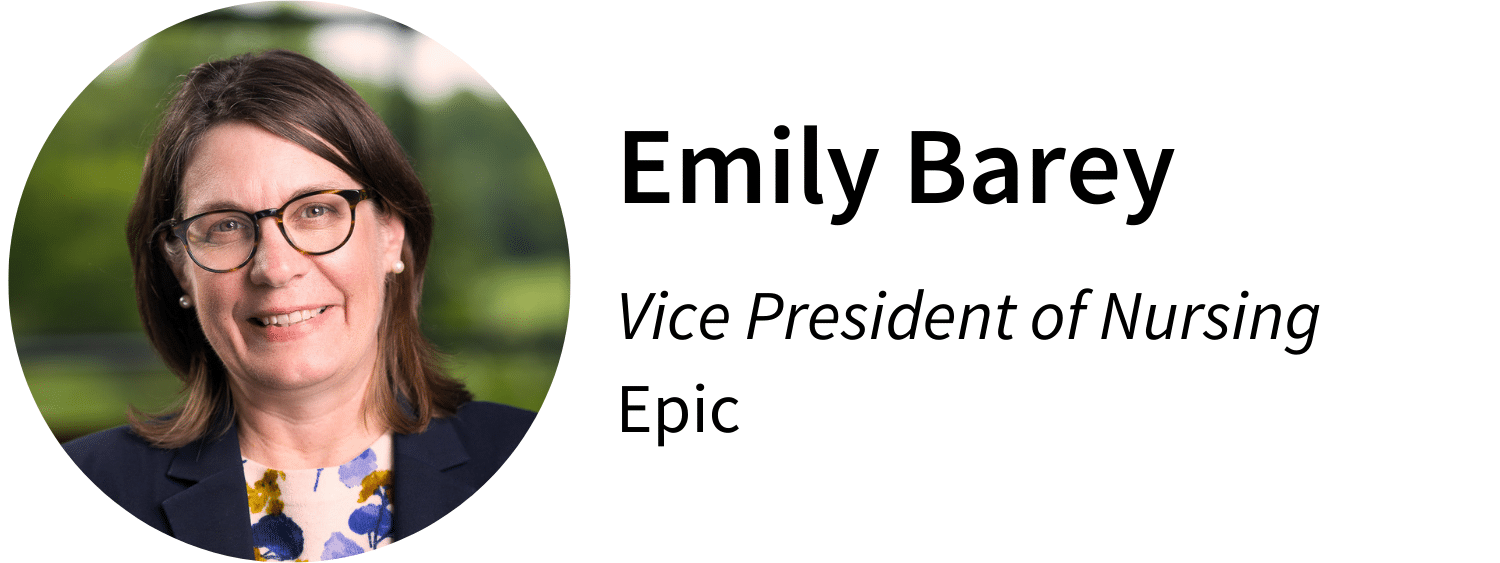

Emily Barey - American Compassion _ Social Care in the Digital Age

Emily Barey is the Vice President of Nursing at Epic™. In this role she contributes to product management in the areas of nursing, community health and social care.  She leads the Epic™ Nursing Advisory Council and Coordinated Care Management forum, consults with Epic™ customers globally on strategies for comprehensive care record adoption and collaborates closely with the Epic™ research and development teams on enhancements to support interdisciplinary practice across the continuum of care and service.  She was on the original team that architected the first integrated health and social care record as part of the Epic™-Apotti program in Helsinki, Finland.


Sherri R. Greenberg is an assistant dean and professor of practice and fellow of the Max Sherman Chair in State and Local Government at the LBJ School of Public Affairs, and she is a professor of practice at the Steve Hicks School of Social Work. Additionally, she is the LBJ School Assistant Dean for State and Local Government Engagement.

She is a primary researcher for, and is Chairperson elect of, Good Systems, The University of Texas Grand Challenge regarding ethical AI. Sherri is a member of the Board of the Austin Convention Center Enterprise. She also serves on the Austin Smart City Alliance Board of Directors, and the Austin Forum on Technology & Society Advisory Board. Her teaching and research interests include: technology policy, state and local government, housing, homelessness, transportation, healthcare, public finance, and campaigns and elections.
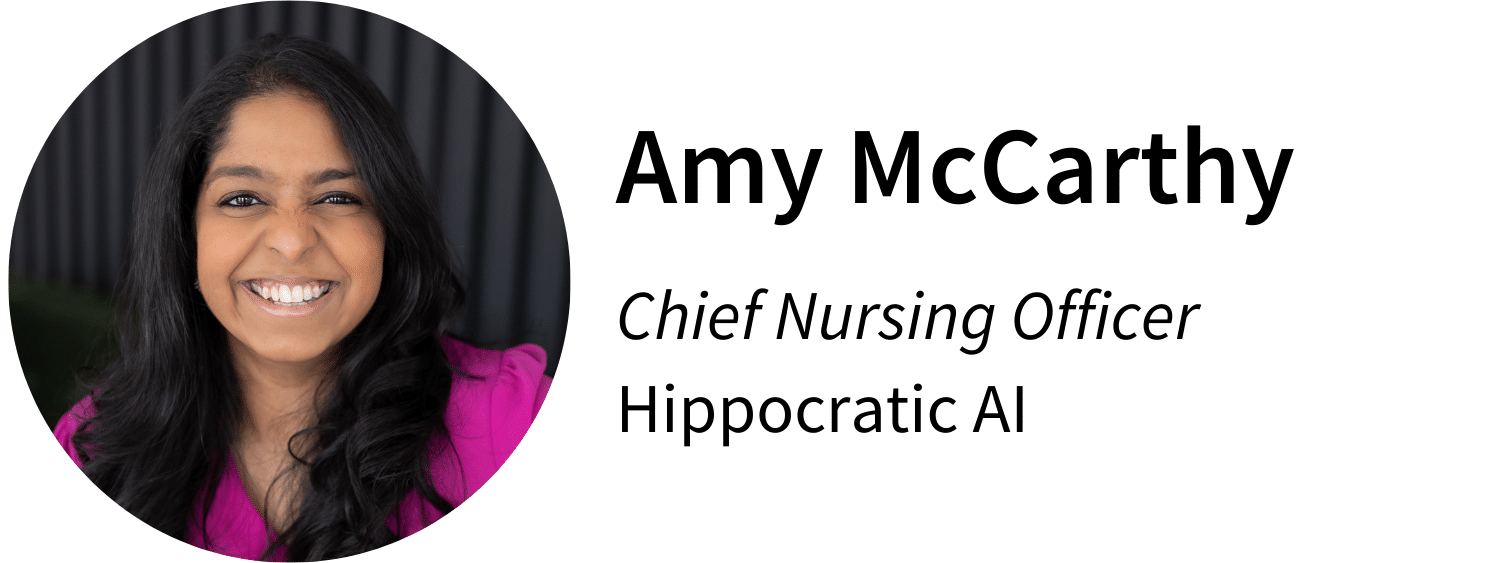

Amy McCarthy - American Compassion _ Social Care in the Digital Age

Amy K. McCarthy, DNP, RNC-MNN, NE-BC, CENP, is the Chief Nursing Officer at Hippocratic AI, where she focuses on generative AI solutions to enhance healthcare access. A George Washington University alumna with a DNP in Executive Leadership, Amy champions transformational, heart-led leadership to foster innovative, nurse-centric environments.

Currently serving as President of the Texas Nurses Association, she has also held key roles on the American Nurses Association Board, addressing critical issues like safe staffing, workplace violence, and racial equity. Amy has also worked on the National League for Nursing’s Accelerating to Practice program and has served on the Nurses on Boards Coalition Board of Directors, overseeing strategic communications. Her educational background includes a BA in Biology from SMU, and BSN and MSN degrees from UT Arlington. She is certified in Executive Nursing and Maternal-Newborn Nursing.
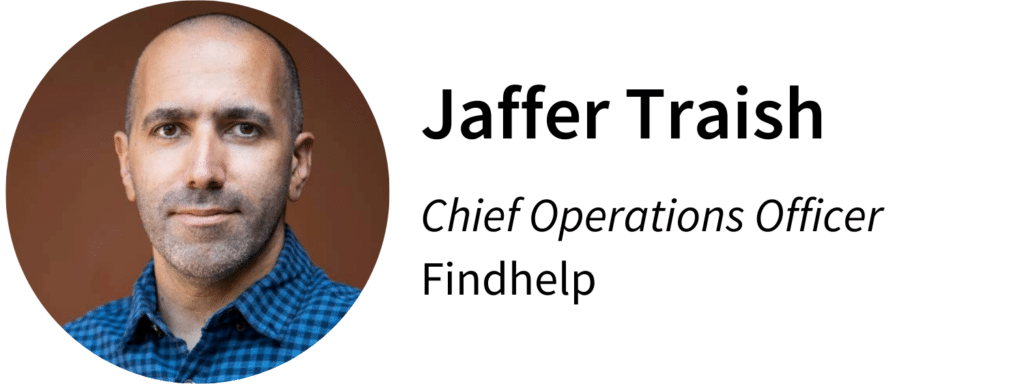

Jaffer Traish - American Compassion _ Social Care in the Digital Age

Jaffer Traish is focused on helping all people in need within their communities.  Across government, healthcare, education and more, connecting people to the programs that serve them is Jaffer’s passion. Over the past 25 years, Jaffer has collaborated with more than 200 health systems and payers on health and wellness innovation and health equity. Jaffer is driven to improve health for individuals, sustainability for institutions, and long term community partnerships.  He resides in Austin, TX.


New episodes of American Compassion LIVE will be available on Findhelp’s YouTube channel, Spotify, and Apple Podcasts shortly after the live events. They will also air on KUT, Austin’s Public Radio station.


Previous episodes: The origins of the safety net

In the first two seasons of American Compassion, we dove into the history behind the safety net. From FDR’s New Deal to LBJ’s Great Society, host Rebecca McInroy spoke with prominent historians like Robert Caro, H.W. Brands, and Mark Updegrove to explore the origins of foundational government programs which still exist today. Rebecca returns to the series as host and moderator for season 3, bringing more than 20 years of experience in journalism and public radio.

“Over and over again, we were reminded that the safety net and the systems that we think today are impenetrable were imagined and built by individuals with empathy, creativity, passion, and vision. And as we attempt to mend and reimagine and rebuild our safety net for the 21st century and beyond, we look to individuals with those same qualities, that same drive, and that same mission.”

– Rebecca McInroy, Executive Producer & Host


Season 3, episodes 1 & 2: Available now! 

Watch previous episodes to catch up on the conversation ahead of episode 3.


Season 3, episodes 3 & 4: Join us!

RSVP for your free ticket to attend upcoming episodes in person.

  • Feb. 12, 2025 | “Social Care in the Digital Age
    • Given the flaws in the safety net and the political realities that exist, we explore how to modernize the system. Discussion topics include the roles played by AI, health insurance companies, and social determinants of health tech.
  • March 26, 2025 | “Who’s Doing It Best?”
    • In this episode, we speak with experts who are innovating the safety net to create modern solutions.
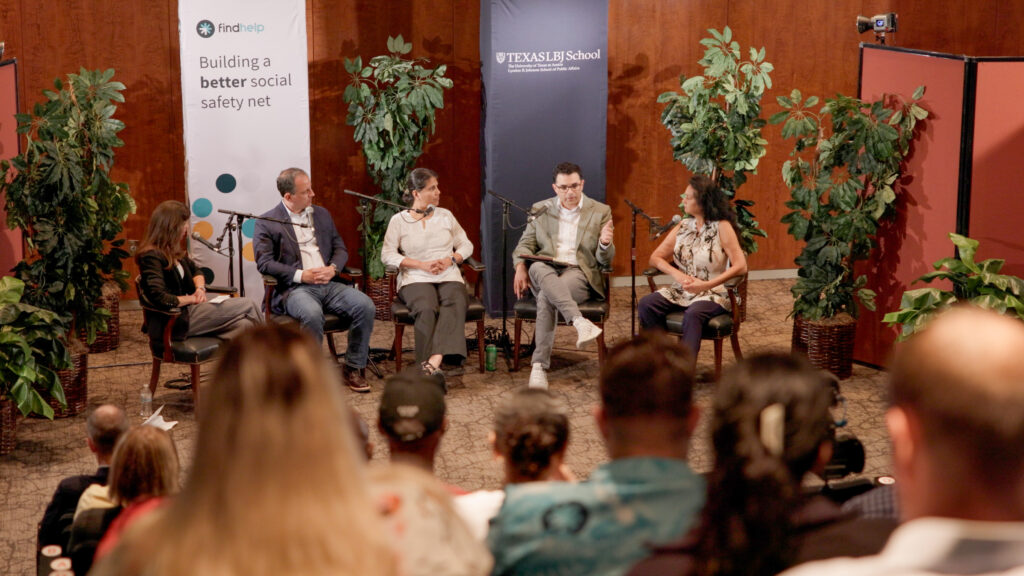



Be part of the conversation!

We invite you to join the live recording session of American Compassion LIVE on UT-Austin’s campus. Register today to claim your free spot. Hear directly from our featured experts and innovators, and enjoy a light lunch following the discussion.


CMS Health Equity Initiatives in 2025 and Beyond

Early in the Biden Administration, the Centers for Medicare & Medicaid Services (CMS) published a Framework for Health Equity, documenting the agency’s strategy to strengthen related infrastructure and drive structural change. Through reimbursement, quality measures, data collection, CMS Innovation Center models, Medicaid program guidance, Section 1115 demonstrations, and other initiatives, CMS has pushed providers and health plans to identify and address health-related social needs and improve the health of communities.

Today’s blog details recent CMS health equity activity, including new measures for 2025, upcoming initiatives, and how Findhelp supports this work.   

What you’ll learn about:

  • CMS’ 2025 social determinants of health (SDoH) and health equity measures
  • Potential future federal policy directions
  • How the Findhelp platform helps you meet CMS reporting requirements and implement other SDoH workflows


2025 health equity measures overview

For 2025, CMS expanded the following health equity measures to hospital outpatient, rural emergency hospitals, and ambulatory surgery settings. These were previously finalized for the inpatient setting.


MEASUREINTENTDESCRIPTION
Commitment to Health EquityHelps healthcare organizations build a culture of equity and safety by prioritizing equity and identifying areas for improvement.Organizations must attest to equity as a strategic priority, health equity data collection and analysis, quality reporting, and leadership engagement. Reporting is required for calendar year 2025, with payment determination in 2027.
Screening for Social Drivers of HealthProvides uniform requirements for reporting on health-related social needs screening for housing, food, transportation, utility needs, and interpersonal safety, across CMS providers. Organizations must report on the percentage of screenings  taking place during the healthcare encounter or admission. Reporting is voluntary for calendar year 2025 and mandatory in 2026, with payment determination in 2028.
Screen Positive Rate for Social Drivers of Health. Builds on the above requirements and demonstrates the magnitude of needs. Organizations must report one rate for each domain, demonstrating the percentage of patients reporting a positive need. Reporting is voluntary for calendar year 2025 and mandatory in 2026, with payment determination in 2028.


Connecting health equity measures to reimbursement opportunities

These measures are driving scaled social care screening across the healthcare continuum and related documentation and actions. To bolster these activities, CMS has created reimbursement opportunities that can follow screening:

Social risk assessment. Providers can bill Medicare for administering a standardized, evidence-based SDoH risk assessment that is medically reasonable and necessary, or when they have reason to believe that an SDoH risk is interfering with diagnosis or treatment.

Community health integration (CHI) services. Auxiliary personnel, like community health workers (CHWs) can provide tailored support for unmet social needs that are interfering with patients’ diagnosis or treatment. Services can include person-centered planning, health system navigation, and facilitating access to community resources. The auxiliary personnel must be supervised by the billing provider. 

Principle illness navigation (PIN) services. Auxiliary personnel, like peers and patient navigators, can provide services similar to those provided under CHI. PIN services are for patients with serious, high-risk conditions requiring ongoing monitoring or treatment adjustments, expected to last 3+months, and that put the patients at risk of hospitalization, nursing home placement, or decline. The auxiliary personnel must be supervised by the billing provider. 

Increased inpatient reimbursement. The diagnosis codes for homelessness, housing instability, and housing inadequacy are on Medicare’s comorbidity and complication list. Admissions with the appropriate diagnosis codes are eligible for a higher reimbursement rate. 

Many Medicaid programs have also created reimbursement opportunities for services that address health-related social needs. These can include section 1115 waiver demonstrations and reimbursement for community health worker services.


Potential policy directions for 2025

Certain CMS activities are indicators of how the agency’s health equity and social care-related work may evolve over the years. Here are some areas to watch:

New social care measures

CMS’ annual pre-rulemaking process included new proposed social care measures, such as: 


Medicaid program guidance

At the end of December, CMS published an Informational Bulletin with an HRSN Framework describing services and supports that are allowable under specific Medicaid and CHIP authorities.


CMS Innovation Center models

The CMS Innovation Center has launched several models with health equity and HRSN requirements. These include:


Findhelp’s policy team actively monitors these policies to keep you up-to-date and help you maximize platform use to get the best possible patient outcomes and ROI. 


Implement quality measure workflows with Findhelp

Scaling HRSN screening and intervention workflows can be complicated, but Findhelp technology simplifies quality measurement processes for healthcare providers and payers.

Use built-in screenings, like the Accountable Health Communities and PRAPARE, or configure your preferred questions.

Integrate Findhelp directly into your EHR, avoiding multiple systems.

Seamlessly refer patients with needs to programs that serve them using our closed-loop referrals.

Set up coding prompts (e.g. LOINC and SNOMED-CT) using the most up-to-date data standards to support electronic reporting.

Aggregated screening and referral data informs performance improvement, partnerships, and planning.


We partner closely with you to develop enterprise-level, scalable processes for seamless implementation. Chat with us to learn more!

Findhelp Recognized as a “Top Impact Company” and “Best Place to Work”

We’re honored to be named a 2025 Top Impact Company (for the third consecutive year) and recognized as one of the Best Places to Work (for the fifth consecutive year). These awards were given, respectively, by Real Leaders®, a global media and membership platform dedicated to inspiring the future of business, and Built In, the leading tech recruiting platform. 


Proud to share two recent recognitions 

We’re proud of our impact on the U.S. safety net and of the culture we’ve created (and continue to create!) for our employees and partners.

“For the last fourteen years we’ve been working closely with customers, community partners, and policymakers to help improve the U.S. safety net. It’s challenging but fulfilling work and it’s nice to be recognized as both a 2025 Top Impact Company by Real Leaders® and as one of the Best Places to Work by Built In.”

– Erine Gray, Founder & CEO of Findhelp


Real Leaders: 2025 Top Impact Company

Real Leaders’ list highlights privately-owned businesses making exceptional contributions to society and the planet, and this year, Findhelp ranked 25 out of 150 companies, globally

More than 300 companies from 15 countries applied; Real Leaders assessed their growth, revenue, and six pillars of I.M.P.A.C.T.: Intention, Model, People, Accountability, Collaboration, and Transformation. Through a rigorous evaluation process, Real Leaders ranked the companies that truly embody purpose-driven leadership.

In addition to our Top Impact Company designation, Findhelp was also a top 10 semi-finalist for Most Transformative Company, an award that celebrates the companies driving positive change, honoring those with the highest 3-year compound annual growth rate.

The 2025 ranking criteria was more rigorous than in previous years. The updated criteria excluded nonprofits and publicly-traded companies and increased the minimum revenue requirement to $2 million. The 2025 list features a mix of respected impact brands of all sizes and from a variety of industries.

“It seems like every company is calling themselves an impact company these days. We wanted to spotlight businesses that are genuinely dedicated to making a difference. By incorporating CEO interviews and community-driven impact evaluations, we ensured that only the most deserving organizations made the list. The top-scoring finalists in each category will share their best practices at Real Leaders UNITE 2025, inspiring better leaders for a better world.”

– Kevin Edwards, President of Real Leaders


Built In: 2025 Best Places to Work

While Real Leaders focuses on Findhelp’s external impact, Built In recognizes Findhelp’s culture and support for internal employees. For the fifth year in a row, Findhelp earned a place on the 2025 Best Places To Work in Austin awards.

The annual awards program includes companies of all sizes, from startups to enterprise. The program also honors remote-first employers as well as companies in large tech markets across the U.S.

“Being recognized as a Best Place to Work is a testament to these companies’ commitment to building a workplace where individuals and innovation thrive. At Built In, we understand that great companies are powered by great teams, and this achievement showcases their dedication to fostering a culture of growth, inclusivity, and excellence. Congratulations on this well-deserved honor.”

–  Maria Christopoulos Katris, CEO & Founder of Built In

Built In determines the winners based on an algorithm, using company data about compensation and benefits. To reflect the benefits candidates are searching for more frequently on Built In, the program also weighs criteria like remote and flexible work opportunities, programs for DEI, and other people-first cultural offerings. 


Living our values: Findhelp’s culture

The social safety net was created to ensure people’s basic needs are met, but the collaboration between government programs, philanthropy, and community-based initiatives is clunky, frustrating, and inefficient. That’s where Findhelp comes in. We build software to support collaboration across the public and private sectors.

At Findhelp, we’re here to do the most meaningful work of our careers. We are guided by a set of core values that describe how we serve our mission and how we interact with users, coworkers, and customers:


Headquartered in Austin, Texas, we are a mission-driven team dedicated to helping people find social care resources with dignity and ease. As a certified B Corp and a Public Benefit Corporation, we are driven to do good, powered by tech, and looking for passionate people to join our team. Join us in building a purposeful workplace dedicated to personal growth and wellbeing.

Our team is dedicated to making an impact. We cultivate a collaborative environment and encourage our team members to connect deeply—with our purpose, with each other, and with the communities we serve. 


Findhelp's staff are key to our recognition as a Top Impact Company.


Join a team that values innovation, collaboration, and real-world change. We’re hiring across teams, from Customer Success to Engineering and Sales – let’s build something meaningful, together.


Make an impact with Findhelp

Our engaged team members are ready to connect! Learn how we can partner to improve your outcomes and strengthen your social care strategy.


Gundersen Health System Makes 15,000 Referrals in 3 Years

In three years, Gundersen Health System staff and Community Resource Connector (CRC) volunteers made nearly 15,000 referrals via Findhelp on behalf of patients to address the social determinants of health (SDoH). Read our recently published case study to learn more about this partnership and its effective use of technology and training to close the loop with patients and improve health outcomes.


Read our case study!


Closing the loop on patient needs through partnership and innovation

Gundersen is part of Bellin and Gundersen Health System (soon to be Emplify Health). Formed in December 2022, Bellin and Gundersen is a not-for-profit, patient-centered, community-focused healthcare network with headquarters in Green Bay and La Crosse, Wisconsin. 

Bellin and Gundersen has nearly 15,000 employees, including more than 1,000 clinicians, in 11 hospitals and more than 100 clinic locations in Wisconsin, Minnesota, Upper Michigan, and Iowa. With community partners, Bellin and Gundersen strive to lead local, regional, and national healthcare transformation to enrich individuals for their healthiest lives at every stage. 

Since becoming a Findhelp customer in 2020, Gundersen created the Community Resource Connector team, a unique volunteer team that helps address patients’ SDoH via navigation on their branded Findhelp platform, Community Link

In just three years, the CRC team has helped Gundersen staff achieve considerable success:


The challenge: Connecting patients to community resources without a centralized system

Gundersen is fortunate to have several community-based organizations throughout their 21-county service area; however, they needed a way to share information about those programs with their patients. 


These challenges made it difficult to track outcomes and ensure that needs were met. 


The solution: Streamlining social care coordination with Findhelp

Gundersen knew that to sustainably assist patients with social needs at scale, they needed a solution to these challenges. They rolled out the Findhelp platform to patients, staff, and community members as a resource network and closed-loop referral system. At the same time, they launched two key initiatives:

  • They enhanced the number of local community-based organizations (CBOs) by partnering with their local 211. To start, Great Rivers 211 helped add 1,500 programs to the Findhelp network. Ongoing, a bi-directional sharing of resources and information keeps programs up-to-date and ready to use.


A successful CRC follow-up workflow

The Community Resource Connector team follows a standard navigation workflow when supporting patients.

Gundersen Health's Community Resource Connector workflow

With the dedication of the CRC team and a strong partnership with Findhelp, Gundersen has successfully:


Figure 1: Referrals placed by staff from June 01, 2021 through May 31, 2024 on Gundersen’s Findhelp platform.


As they continue to grow their SDoH screening and response plan, Gundersen uses Findhelp’s analytics to identify service gaps. 

The gaps identified through the analytics tools help Gundersen prioritize two things: system-wide initiatives and increased support of community-based interventions. Patients described the assistance they received from the CRC team as “a turning point in [my] life” and “the best gift ever.”


Achieve your health equity goals with Findhelp

Whether you leverage local volunteers like Gundersen or incorporate social care into your staff workflows, Findhelp can support your organization’s health equity goals. Connect with one of our expert team members to explore our seamless integration options and learn how you can address SDoH with Findhelp.


Accountable Health Communities Model: from Demonstration to Policy

The Center for Medicare & Medicaid Innovation (CMMI), part of the Centers for Medicare & Medicaid Services (CMS), recently published the third and final independent evaluation of the Accountable Health Communities (AHC) Model. The evaluators found that the AHC model was beneficial to Medicare and Medicaid members and that it reduced health care expenditures and avoidable hospital use.

While the AHC model concluded in April 2023, CMS has been incorporating learnings into other CMMI models and regulations, impacting the entire healthcare continuum. In this blog, we explore the AHC findings, the policies they have impacted, and how Findhelp supports health-related social needs (HRSN) work.


About the Accountable Health Communities Model


Background and high-level findings

The AHC model engaged 28 “bridge organizations” in a five-year model that ran from 2018 to 2022, with an optional no-cost extension to 2023. They tested approaches to connect people to services using the AHC HRSN screening tool to identify unmet needs, referrals to community programs, navigation to CBO services for people meeting CMS’ high-risk criteria, and alignment between clinical and community services to address capacity and promote improvement. Model implementation resulted in more than 1 million Medicare and Medicaid members receiving an HRSN screening, 37% of whom had at least one unmet need.  

Select Findings:


Key takeaways and policy impacts

The Accountable Health Communtiies model resulted in statistically significant impacts on healthcare costs and certain quality measures. The model reduced total healthcare expenditures and reduced inpatient and emergency department (ED) admissions, and avoidable ED visits. Expenditure reductions were higher for individuals enrolled in Medicaid. Additionally, healthcare impacts were more pronounced for certain racial and ethnic subpopulations, indicating that the model may have reduced disparities in access to care, health, and healthcare outcomes.

Due to the AHC model successes, particularly the demonstrated healthcare savings, CMS has taken elements and incorporated them into recent policies. These efforts are driving widespread implementation of HRSN activities across the healthcare continuum. These include:

  • Payment for HRSN assessments completed by` physicians, community health navigation, and principal illness navigation services
  • Quality reporting requirements for HRSN screening in inpatient, ambulatory surgery, accountable care organizations, and other settings 
  • HRSN assessment requirements in post-acute settings
  • HRSN screening and referral requirements in all new CMMI models
  • Section 1115 waiver demonstrations that invest in CBOs and pay for HRSN services. Learnings from these waivers also continue to inform policy

In 2023, the Federal Office of Science and Technology Policy published the Social Determinants of Health Playbook. The publication details federal programs, including the AHC model, that were intended to address HRSN and improve health equity. In conjunction with the Playbook, CMS released a framework to guide Medicaid coverage for HRSN services. 


How Findhelp supported Camden Coalition’s AHC Model implementation

A multidisciplinary, community-based nonprofit based in New Jersey, the Camden Coalition started partnering with Findhelp in 2015. Camden develops and tests care management models and redesigns systems in partnership with consumers, community members, health systems, community-based organizations, government agencies, payers, and more. Their goal is to achieve person-centered, equitable care.

As one of New Jersey’s four Regional Health Hubs, Camden works with regional partners, New Jersey’s Medicaid office, and other state agencies to expand data-sharing and collaboration for seamless, whole-person care.

From 2018 to 2022, we supported the Camden Coalition in their Accountable Health Communities implementation. Findhelp embedded the AHC HRSN screening tool into their platform, worked closely with Camden Coalition staff to build navigation workflows, configured My Resource Pal (Camden’s branded, publicly-available Findhelp platform), and supported the required reporting to CMS. 


Successfully addressing HRSNs

During the six years of their Accountable Health Communities implementation with Findhelp, Camden achieved impressive results:


The Camden Coalition continues to partner with Findhelp to experiment with innovative approaches to address patients’ social needs.


Looking beyond the AHC Model

As health systems, health plans, government agencies, and other organizations have recognized the value of seamlessly connecting people to resources, Findhelp’s customer base has grown significantly. As of December 2024, we partner with more than 450 healthcare customers, from multi-state health systems and national payers to local federally qualified health centers (FQHCs).

To aid our customers as they incorporate emerging policy requirements, Findhelp has continued developing features and workflows that support a broad health equity strategy. With our configurable platform, our customers can:


Additionally, Findhelp’s policy team closely monitors regulatory developments that impact provider and payer SDoH and health equity strategies. These insights also help our community-based organization (CBO) network understand partnership opportunities and value propositions for the healthcare providers in their communities. 


Learn more about our healthcare solutions

Connect with us to learn more about our features that help you succeed in your health equity and SDoH strategies. 

NYC Health + Hospitals Sees 86% Closed-Loop Rate in First 6 Months

In just the first six months, the partnership between New York City Health + Hospitals and Findhelp resulted in more than 100,000 patients screened for social needs and an 86% closed-loop rate for social care referrals made to CBOs in their Trusted Network. Read our recently-published case study to learn more about this partnership and its effective use of technology and integrations to drive change and improve health outcomes through SDoH assessments and referrals.

Read our case study!


Partnering to improve outcomes

NYC Health + Hospitals is the largest municipal health care system in the nation, serving more than one million New Yorkers annually in more than 70 patient care locations across the city’s five boroughs. To effectively address the large volume of social determinants of health (SDoH) needs at scale, NYC Health + Hospitals implemented Findhelp’s Automated Program Recommendations and Assessment-Informed Launch integrations in Epic™, their electronic health record.

These integrations automatically ingest SDoH screening data from Epic™ into Findhelp.  As a result, staff navigators can now seamlessly provide tailored community-based organization (CBO) recommendations based on an individual patient’s social needs and send closed-loop referrals to local programs.


The challenges

NYC Health + Hospitals is deeply committed to screening for and supporting patients with SDoH needs. Each year, 34% of the health system’s screened patients have at least one active SDoH need, resulting in a consistently high demand for resources. NYC Health + Hospitals believes that a positive screen should always be accompanied by a resource connection. 


Findhelp’s solution

NYC Health + Hospitals knew that in order to sustainably assist patients with social needs at scale, they needed a comprehensive solution to meet these challenges. In 2023, the health system switched from NowPow to using Findhelp as their social care platform and technology solution. To meet their patient population’s high volume of needs, Findhelp worked with NYC Health + Hospitals to develop and deploy two new Epic™ integrations: Automated Program Recommendations and Assessment-Informed Launch. These integrations greatly automated the process of recommending and referring programs for patients who screened positive on SDoH assessments.


Automated recommendations given to patients with needs

The Automated Program Recommendations integration automatically and bilaterally ingests recommended programs into the patient’s chart and After Visit Summary in Epic™, in both English and the patient’s preferred language. 

To do this, Findhelp mapped their service domains to NYC Health + Hospitals’ SDoH assessments in Epic™ to recommend resources that address the identified needs. The Automated Program Recommendations integration ensures that people with needs receive a curated, recommended list of resources. Program recommendations are automatically filtered based on patient location,  streamlining the workflow for health system navigators. The program recommendations are stored in the patient’s chart in real time, so both the patient and navigator can initiate social care connections during or after the visit.


Supporting efficient referral-making

Assessment-Informed Launch automatically ingests SDoH assessments from Epic™ and creates a pre-curated list of recommended resources for navigators to electronically refer to.

Whereas Automated Program Recommendations enables programs to be pulled into an After Visit Summary, Assessment-Informed Launch complements this work by enabling navigators to electronically refer patients to resources based on the needs identified in SDoH assessments.


Improving closed-loop rates with Trusted Networks

To engage local community-based organizations (CBOs) in the social care referral process, NYC Health + Hospitals worked with Findhelp to establish a Trusted Network of CBO partners. They partnered with us to build on existing relationships to prioritize specific organizations, provide specialized training, and feature them in their Findhelp platform’s search results. This strong, tight-knit network of priority partners has created positive outcomes for patients by connecting them to the resources they need to thrive.

By aligning community engagement efforts with streamlined navigator workflows through integrations like Assessment- Informed Launch, NYC Health + Hospitals social workers and care navigators referred thousands of patients to trusted resources, resulting in a 99% overall referral response rate and an 86% closed-loop rate*.

*The referral response rate counts all referrals with at least one status update; the closed-loop rate counts all referrals with a definitive outcome, i.e. “Got Help”

Trusted Network data represents Jan 1 to June 30, 2024


The implementation of efficient, tailored workflows also led to staff engagement and support for the platform as part of NYC Health + Hospitals’ broader health equity strategy.


Findhelp’s comprehensive integration support

Our platform integrates seamlessly with electronic health records, care management systems, and other systems of record.  You’ll save time and resources, so your team can focus on what matters most. Integrate Findhelp into your existing workflows, making it easy to determine eligibility, assess, refer, and track outcomes.

It’s easy to integrate Findhelp with your systems of record,  without sacrificing privacy or security.


Work with us!

Connect with one of our expert team members to explore Findhelp’s seamless integration options with Epic™.


Watch | Our Post-Election Episode of “American Compassion: LIVE”

As part of our mission to build a better social safety net, Findhelp fosters conversations about the state of modern social care and ways to improve it. To that end, we are feeling optimistic after this week’s post-election episode of Season 3 of American Compassion: The Safety Net Podcast, in partnership with The LBJ School of Public Affairs at the University of Texas-Austin.

Available now, the second episode explores the critical question: What Happens Now? With the election of President-elect Donald Trump and a Republican-controlled Congress, we examine what lies ahead for pivotal safety net programs like SNAP, Medicaid, Social Security, and the Affordable Care Act. The episode’s expert panelists bring diverse perspectives in policy, healthcare, history, and politics to dissect the challenges and opportunities posed by this major political shift.


Watch the second episode of American Compassion: LIVE


American Compassion Season 3, Episode 2: What Happens Now?

Glen Chambers, the head of Government Relations at Findhelp, was joined by nurse practitioner and professor Barbara Chapman, political documentary filmmaker Paul Stekler, and health policy expert and BGR Group CEO Bob Wood. The discussion was moderated by Rebecca McInroy.

American Compassion podcast S3E2 panelists


Looking ahead: a threat or an opportunity?

The panelists began by assessing  the immediate impact of the election on critical safety net programs. Paul offered a stark perspective on the current political climate. He underscored the potential for major changes to fundamental safety net programs. 

“I don’t know what’s going to happen. I do know that it’s important for us who believe that the safety net is a really important part of something that benefits over a third of Americans, that we know the lay of the land and figure out a message that is not particularly partisan, but talks about the importance of these programs, what it benefits, and how to protect them.”

Paul Stekler
Documentary filmmaker and educator

Barbara voiced concern over the healthcare landscape, particularly in Texas. “We have got to start increasing access to health care,” she emphasized, citing that 88% of Texas counties lack adequate primary care providers. She argued that policies expanding the roles of nurse practitioners, especially in underserved rural areas, could dramatically increase access to care and ease burdens on the healthcare system.

Bob recalled a quote from one of his favorite television shows, Ted Lasso, in his advice for how to approach the road ahead. “Be curious, not judgmental. That is what I would suggest about how to approach this moment in time on these issues,” he said.

“But if you come to the table promoting innovation, community solutions, faith-based solutions and community partnerships, doing things differently, maybe more efficiently, bending the cost curve does matter. Those are the kinds of messages that I think if people are willing to be curious, look for a better way. Because we can all always do better.”

Bob Wood
Healthcare and government policy expert

Glen expressed optimism about state-level leadership, citing the bipartisan collaboration he has seen across states with governors from different political backgrounds. He remarked, “You have to think about the social safety net in a different way, and you have to engage people differently.” Glen highlighted the critical role of state innovation in shaping how individuals experience safety net programs.


Work requirements and the future of ACA

The discussion also turned to the topic of work requirements in social support programs. Glen spoke about the importance of reframing work requirements as a source of empowerment, rather than punishment.

“If you think about people experiencing poverty not as problems to be solved, but as assets to be empowered, you look at work requirements very differently. It’s not about punishment; it’s about opportunity—the dignity of having a job with meaning and the ability to change your circumstances.”

Glen Chambers
Healthcare and government policy expert

While there have been previous efforts to repeal the ACA, the panel expressed that a rollback is unlikely. Glen pointed out the entrenched nature of the ACA, saying, “That root system [of the ACA]…if you pull it up, you’re going to disrupt the landscape and create a lot of trauma”. Bob added that support for certain provisions indicates the ACA may continue in its current form, though modifications are possible.


The role of 1115 Waivers in addressing social needs

The panel highlighted the growing use of 1115 waivers as a tool for states to address health-related social needs through Medicaid. Glen, who had just returned from the National Association of Medicaid Directors Conference, provided insight into the trends surrounding 1115 waivers.

“The trend towards funding solutions for health-related social needs is going to continue. It actually started in the Trump administration and has carried through.” He emphasized the bipartisan nature of these initiatives, citing investments in states like Minnesota and South Dakota. Bob added that 1115 waivers could allow states to propose innovative solutions while addressing cost concerns. “We will return to federalism, and states will have the opportunity to propose demonstration projects focused on the real needs of their populations,” he said.

The panelists agreed that while conditions on waivers may change, they remain a critical tool for states to adapt Medicaid to local needs. As Glen noted, “You take the social safety net out from over top of people and put it underneath them where it belongs.”


A call to civic action

Overall, the panelists painted a nuanced picture: while the election results may bring uncertainty and potential cuts to programs, there remains significant opportunity for innovation and collaboration at the state and local levels to strengthen the social safety net.

The discussion concluded on a note of civic engagement. Glen reminded the audience that contributing to a stronger social safety net doesn’t always mean working through the government. “If you want to be a better citizen, go volunteer,” he urged. He and his fellow panelists highlighted the importance of community involvement as a way to strengthen the nation’s social safety net at a grassroots level. They all agreed that helping others is a nonpartisan matter.

“When you’re on the front lines, it’s not about politics. It’s about asking, ‘How do I help this person get to care? What resources do I need to find for them?’ People on the front lines are not working with a political agenda; they’re working with real human beings in need. That’s what makes a difference. When you go into communities, meet people where they are, and give them the care they need, that’s where we see real change happening.”

Dr. Barbara Chapman
Nurse practitioner leader and advocate

The panelists left attendees with a call to stay engaged, informed, and active, encouraging them to push for positive change in their communities. From volunteerism to political advocacy, every action counts in ensuring that the social safety net remains strong for future generations.


Missed the live recording? Watch episode 2 now or listen to it on your preferred podcast platform.


Join us for upcoming American Compassion episodes

You are invited to join us for the live recording of Season 3, Episode 3: Social Care in the Digital Age. Attend the filming on February 12 as part of a live audience at The LBJ School on the University of Texas-Austin campus. 


Findhelp’s Colorado Health Solutions Summit

Creating better health outcomes for Colorado families is a top priority for state policymakers. Leaders across sectors are collaborating to identify trends, causes, and opportunities to enhance the health and well-being of our communities. Findhelp recently hosted a Colorado Health Solutions Summit at the Colorado Health Capitol in Denver, where we explored innovative approaches that are paving the way for transformation in closed-loop referral management. We were joined by leaders from government, healthcare, and nonprofit organizations to shape the future of health and social care for Colorado families.


Highlights from the 2024 Colorado Summit

This year’s summit focused on refining strategies to support vulnerable populations, expanding cross-sector partnerships, and integrating data-sharing initiatives. We had 27 participants from 15 organizations across the state, representing local and state government, health care, nonprofits, and more.


We’re grateful to the Colorado Health Solutions Summit participants for their contributions and invaluable insights in shaping these discussions. Below are some of the key themes and takeaways from a day of learning and sharing.


On data and funding

We explored the most critical metrics for defining SDoH work, highlighting the different perspectives and priorities of our four panelists. Participants also discussed the connections between data strategy and funding, acknowledging the current challenges while looking towards the future.

“I can talk a great talk – but it doesn’t mean anything if I can’t speak with the data. When you bring the data to the table, it’s a different conversation. When you meet with the people who don’t do the work every day, it’s the numbers that matter to them. We know these needs exist, but when we have that data, that’s when other people start to listen.”

Najwa Khalaf 
Family Health Navigator Operations Manager | Children’s Hospital Colorado


On the Colorado Social Health Information Exchange (CoSHIE)

Findhelp is partnering with CoSHIE, a network to securely share physical, behavioral, and social health information between providers involved in whole-person care. CoSHIE is for people in Colorado who face barriers when navigating physical, behavioral, and social health care. It’s a network of social health data, insights, and resources that helps all people understand and access the best path to positive health outcomes.

Colorado’s SHIE approach is composed of both a statewide unifying architecture and regional hubs: 

Findhelp and CoSHIE: partnering to share data for impact and action

The CoSHIE and Findhelp partnership has the potential to assist existing (and future) Findhelp customers and partners in Colorado with consent management, identity resolution, and more. It will also provide a directory of community resources (powered by Findhelp).


On CBO partnerships

A resounding theme throughout the day, from all sides of the social care spectrum, was intentionality. There is value in deep, committed partnerships to maximize impact and increase funding opportunities. Partnerships take time and they take work. This is why Findhelp created Trusted Networks – tight-knit networks of priority partners that establish deep, long-term relationships which lead to better health outcomes for individuals in need. 


Exploring new horizons

At Findhelp, we’re continuously adding and enhancing our functionality to support the next generation of social care work. At the Colorado Health Solutions Summit, we shared in our Product Roadmap session that our customers and CBO partners  can:


Beyond the Summit: our work in Colorado

Our network spans the entire Centennial State and Coloradans across the state use the Findhelp platform to find and connect to needed services and support. 

As of November 2024, Findhelp partners with more than 19 customers throughout the state to connect their patients, members, students, constituents, and clients to local resources. Our data and analytic tools can identify gaps in services and provide actionable insights to inform strategy and public policy. 

Over the past two years, monthly users and searches on Findhelp’s network in Colorado increased 100% and 119% respectively, reflecting our important (and growing) role in connecting Coloradans to local social assistance. 

Growth in searches in Colorado on Findhelp platforms, Q1 2021 through Q3 2024


Keep learning: join our nationwide community

Findhelp partners with customers and community organizations nationwide to collaborate on social care. There are many opportunities to join the movement and get involved – a couple of these are below!


Findhelp’s national Connect Summit | May 2025

Couldn’t attend our Colorado Health Solutions Summit? We’ve got you covered – save the date for our annual national Connect Summit on May 7 and 8, 2025. We’ll be releasing more information in January; in the meantime, sign up to receive updates!


Explore a Findhelp partnership

Chat with on of our expert team members to learn more about how we can partner with your organization to address social needs and improve health outcomes for the people you serve.

“American Compassion LIVE”: Join a Post-Election Episode on Nov. 13

As part of our mission to build a better social safety net, Findhelp fosters conversations about the state of modern social care and what can be done to improve it. We’re collaborating with The LBJ School of Public Affairs at the University of Texas-Austin to co-host American Compassion LIVE, a discussion panel series for the latest season of the safety net podcast.

American Compassion: The Safety Net Podcast

Season 3 of American Compassion will feature four video podcast episodes filmed in front of a live audience at The LBJ School’s historic Bass Lecture Hall. We filmed the first episode in September, and episode 2, “What Happens Now?”, is slated for Wednesday, Nov. 13. This series is free and open to the public. Panelists include experts from academia, the public and private sectors, and practitioners who are innovating America’s social safety net.

Register to attend the live filming of American Compassion season 3 episodes.


“If we are going to fix the safety net, we first have to understand what it is and why decisions were made in the first place because, and only if we understand that we can avoid mistakes that have been made in the past and actually make material progress.” 

— Erine Gray, Findhelp Founder and CEO


Season 3, Episode 2: “What Happens Now?” panelists

The second episode, titled “What Happens Now?” will be filmed on Nov. 13, 2024, from noon to 1:30pm Central. During a conversation focused more on policy than politics, we’ll explore what the outcome of the U.S. election means for social care and the future of the safety net. The panelists are:


Bob Wood is a panelist for "American Compassion: LIVE" on Nov. 13.

Bob is the Chairman and CEO of BGR Group, a bipartisan lobbying and communications firm based in Washington, D.C. He has led numerous campaigns for public policy efforts, using his state and federal experience to engage lawmakers and activate community-based support. He served as Chief of Staff for Secretary of Health and Human Services Tommy Thompson, helping to steer the passage and implementation of the Medicare Prescription Drug, Improvement, and Modernization Act. Bob previously served as Chief of Staff to Thompson while he was Governor of Wisconsin.


Barbara Chapman is a panelist for "American Compassion: LIVE" on Nov. 13.

Barbara serves is an Associate Professor and Program Coordinator for the Master of Nursing Science and the Nursing Practice Innovation program at The University of North Texas Health Science Center in Fort Worth. She co-directs the university’s Free Mental Healthcare Outreach Line, offering consultations statewide. With over 35 years in nursing, Chapman has dedicated much of her career to serving uninsured and medically underserved populations. Her commitment extends to volunteering with mobile health services, advocating for healthcare access on national media, and serving on the Texas Nurses Association’s Regulation and Practice Authority Committee and Texas Nurse Practitioners’ Board of Directors. As a Legislative Ambassador to both the Texas House and Senate, she aims to advance nurse-led mobile healthcare and enhance access to primary and mental health services across Texas.


Paul Stekler is a panelist for "American Compassion: LIVE" on Nov. 13.

Paul makes nationally-acclaimed documentaries about American politics and history. They include George Wallace: Settin’ the Woods on Fire, Vote for Me: Politics in America, Last Man Standing: Politics Texas Style, Louisiana Boys: Raised on Politics, and Getting Back to Abnormal, about race, culture and politics in post-Katrina New Orleans. He also co-produced a nine-part series, Postcards from the Great Divide, done in association with the Washington Post. Paul has a doctorate in American politics (Harvard ’82) and taught documentary filmmaking at the University of Texas for 25 years. He is currently Professor Emeritus and is the former chair of the Department of Radio, Television and Film.


Glen Chambers is a panelist for "American Compassion: LIVE" on Nov. 13.

Glen oversees the Government Relations teams at Findhelp. The first 20 years of his career were spent as a staffer in the United States Senate, where he served as Chief of Staff to Senator Roy Blunt of Missouri. After leaving the Senate, Glen was the SVP of Federal Affairs at a Fortune 5 health care company and a major Association. He lives in Alexandria, VA with his wife, three sons, two gerbils, a cat, a dog and three chickens.


Register for Season 3, Episode 2 of "American Compassion: LIVE"

New episodes of American Compassion LIVE will be available on Findhelp’s YouTube channel, Spotify, and Apple Podcasts shortly after the live events, and will also air on KUT, Austin’s Public Radio station.


Previous American Compassion episodes: The origins of the safety net

In the first two seasons of American Compassion, we dove into the history behind the safety net. From FDR’s New Deal to LBJ’s Great Society, host Rebecca McInroy spoke with prominent historians like Robert Caro, H.W. Brands, and Mark Updegrove to explore the origins of foundational government programs which still exist today. Rebecca returns to the series as host and moderator for season 3, bringing more than 20 years of experience in journalism and public radio.

“Over and over again, we were reminded that the safety net and the systems that we think today are impenetrable were imagined and built by individuals with empathy, creativity, passion, and vision. And as we attempt to mend and reimagine and rebuild our safety net for the 21st century and beyond, we look to individuals with those same qualities, that same drive, and that same mission.”

– Rebecca McInroy, Executive Producer & Host


Season 3, episode 1: Available now! 

Watch episode 1 to catch up on the conversation ahead of episode 2.


Season 3, episodes 2-4: Join us!

RSVP for your free ticket to attend upcoming episodes in person.


Be part of the conversation

You’re invited to join the live recording session of American Compassion LIVE on UT-Austin’s campus. Register today to claim your free spot! Hear directly from our featured experts and innovators, and enjoy a light lunch following the discussion.

Register to attend the live recordings of the podcast.