



Southern California Social Care Summit: Highlights from the Golden State

Southern California’s social care leaders gathered with a shared goal: to build a more connected, coordinated, and compassionate system of care. Healthcare providers, health plans, community-based organizations (CBOs), and regional collaboratives came together in Long Beach to explore how technology, partnerships, and community leadership can transform how people access support.

Throughout the day, one message rang clear: social care works best when it works together.

Intentional partnerships allow healthcare and community partners to coordinate care and share information more effectively.

Investment in community partnerships is key, with health systems funding, training, and supporting CBOs to strengthen local networks.

New tools are enabling end-to-end social care, helping organizations meet state CalAIM requirements.

A special thank you to everyone who joined us and to our fantastic speakers for sharing their insight, experiences, and vision. The Summit reminded us that while policies and systems are complex, the mission is simple: connecting people to the help they need.


Highlights from the 2026 Southern California Social Care Summit

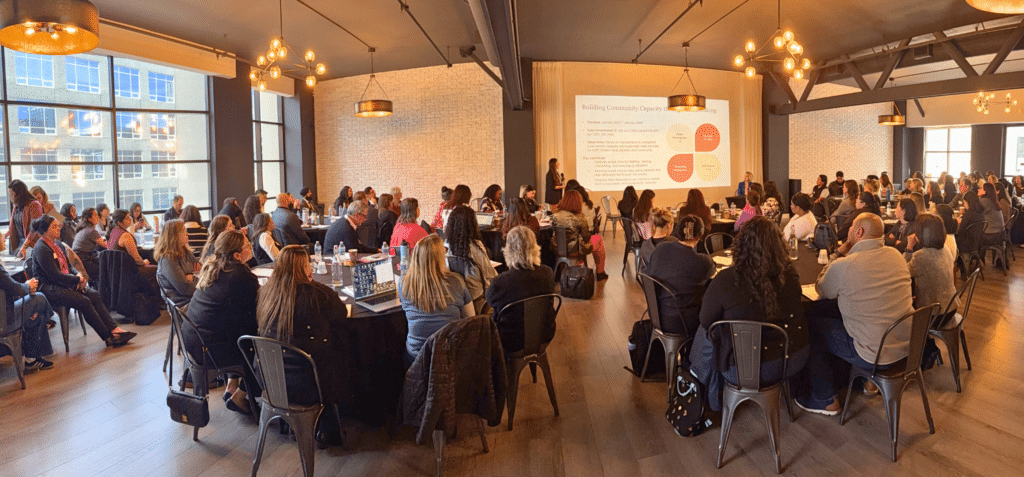
This year’s Summit featured 110 participants representing government agencies, healthcare providers, community organizations, and more:
Attendees at Findhelp's Southern California Social Care Summit.


Below are some of the key themes and takeaways from a day of learning and sharing.


Building toward end-to-end social care

Findhelp opened the Southern California Social Care Summit by sharing its vision for the social care continuum—and where the platform is headed next.

New capabilities, including post-acute care coordination and expanded behavioral health networks, are designed to support the full arc of a person’s journey, from identifying needs to delivering services and tracking outcomes.
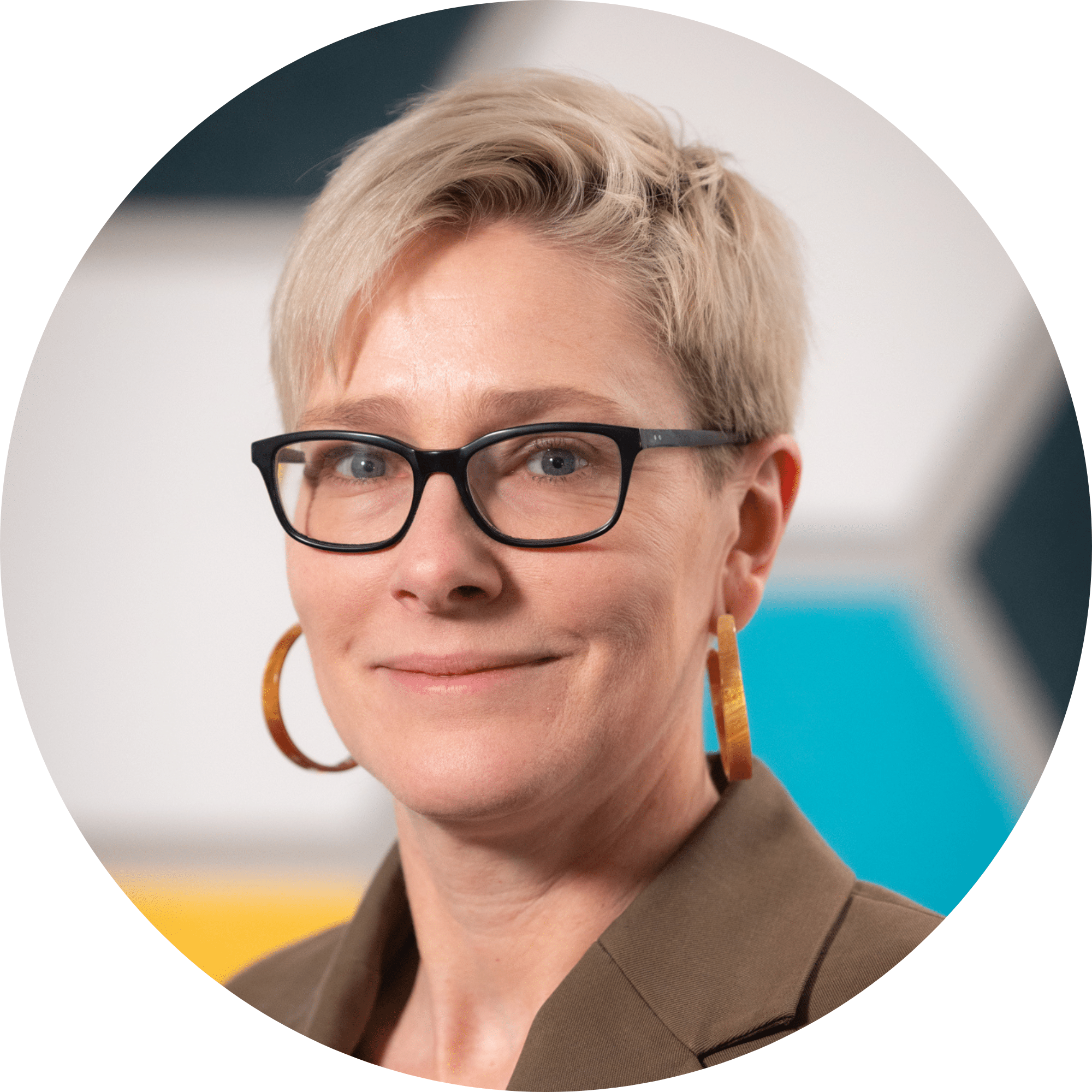
VP of National Accounts, Findhelp 

With programs like CalAIM reshaping California’s healthcare landscape, Findhelp is continuing to invest in tools that simplify reimbursement, automate workflows, and codify needs assessments using standardized clinical codes. These innovations help ensure providers and community partners can work more efficiently while meeting new requirements for closed-loop referrals.

Just as importantly, the platform is helping individuals navigate uncertainty—especially amid Medicaid redetermination challenges—by connecting them not only to healthcare services, but also to job opportunities, volunteer roles, and other pathways to stability.
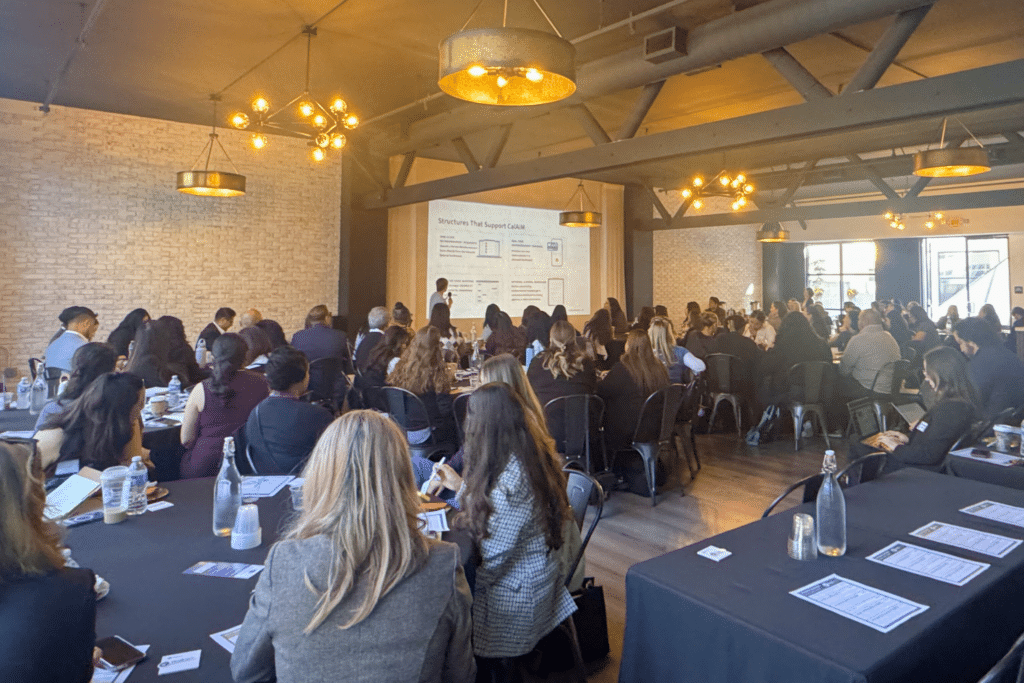
Attendees at Findhelp's Southern California Social Care Summit.


From partnership to impact: Coalition networks in action

A panel featuring leaders from Inland Empire Health Plan, Inland SoCal United Way, and the Inland Empire Health Information Organization highlighted the power of regional coalitions like ConnectIE. Their shared goal was simple but ambitious: create a coordinated network where healthcare providers, social services, and community organizations could work from a shared understanding of each person’s needs.
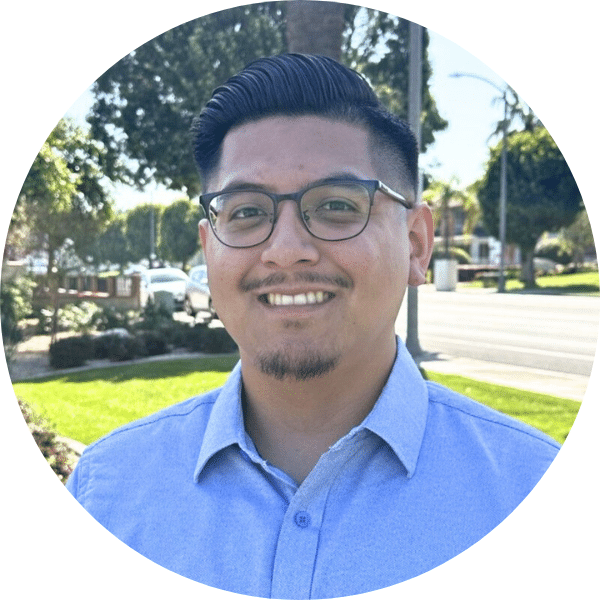
Program Director, Inland Empire Health Information Organization 

Coalitions enable organizations to securely share consented information, including referrals, assessments, and social risk factors. This longitudinal view helps reduce duplication and ensures individuals don’t have to repeat their stories every time they seek help.

But building trust took time.

Director of Health Equity Operations, Inland Empire Health Plan

Today, the Inland Empire coalition network supports thousands of individuals across Riverside and San Bernardino counties, improving coordination between health plans, 211 services, and CBOs.


Activating community networks through investment and engagement

Cedars-Sinai shared how they built their Community Connect Program, a Trusted Network designed to close social care gaps and strengthen partnerships with community organizations.

Before Findhelp, their approach was fragmented. Screening varied across teams, relationships with CBOs were siloed, and it was difficult to track outcomes. Creating a centralized network—and dedicating staff to maintain community partnerships—changed everything.
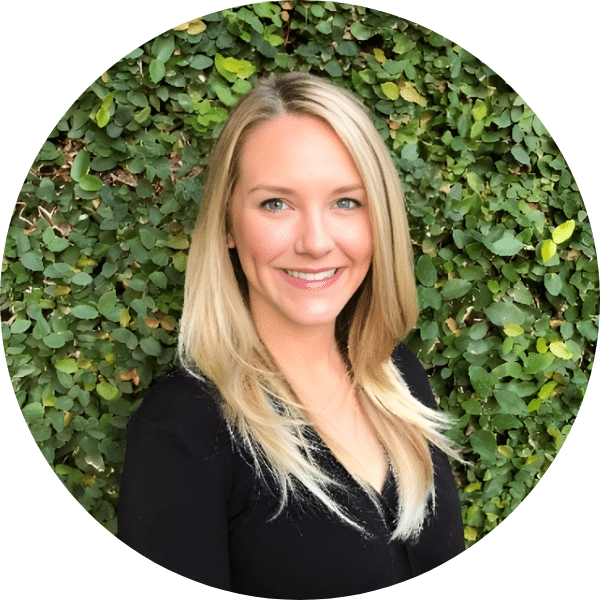
Director of Community Health Programs at Cedars-Sinai

In partnership with Findhelp, Cedars-Sinai established a multi-year grantmaking pilot that provided funding to CBOs addressing housing instability, substance use disorder, and mental health needs. The pilot ultimately helped secure a $400,000 annual budget to sustain and expand the work.

Attendees at Findhelp's Southern California Social Care Summit.


Turning technology into real-world impact

Health systems across Southern California are integrating social care more deeply into clinical workflows. UCI Health, which recently launched Findhelp across dozens of clinics, focused on ensuring staff and community partners were equipped to use the platform effectively.

Their approach prioritized quality over quantity—ensuring referrals were meaningful and partners were prepared to respond.

Director, Office of Community Outreach and Engagement at UCI Health

Children’s Hospital Los Angeles shared a similar philosophy, emphasizing the importance of regional collaboration to support youth health. Their Children’s Health and Wellness Collaborative brought together 16 organizations to align on shared goals and strengthen referral pathways.

Senior Program Manager at Children’s Hospital Los Angeles

Together, these efforts demonstrate how collaboration across healthcare and community sectors can address needs before they escalate into crises.


Connecting systems to power whole person care

As California continues implementing CalAIM (the state’s Medicaid 1115 Waiver demonstration), interoperability and data sharing are becoming essential. Leaders from Manifest MedEx explained how health information exchanges (HIEs) help bridge fragmented systems by aggregating clinical and social data.

By integrating Findhelp with HIE networks, providers will gain deeper visibility into referrals, assessments, and outcomes—allowing them to better coordinate care across organizations.

These integrations will help ensure that critical information follows individuals across healthcare and social care settings, reducing gaps and improving continuity.
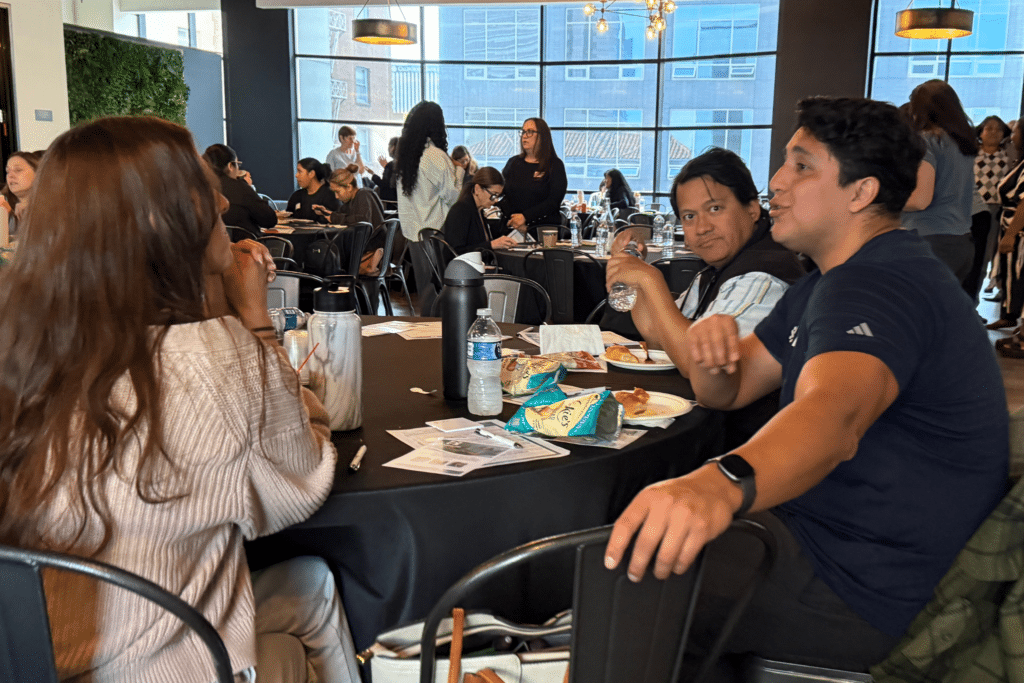

Attendees at Findhelp's Southern California Social Care Summit.

Program Manager at Manifest MedEx


Designing with dignity in a changing policy landscape

With millions of Californians potentially at risk of losing Medi-Cal coverage, speakers emphasized the importance of proactive outreach and engagement. Community Care Hubs, like Partners in Care Foundation (a nonprofit in San Fernando Valley that integrates 100+ CBOs into a coordinated statewide network) are playing a critical role in coordinating services across hundreds of organizations.

  • Integrate Findhelp’s redetermination and community engagement tools
  • Add redetermination dates to member information files (MIF)
  • Leverage CBO + CalAIM networks and other allies

By integrating eligibility tracking, navigator workflows, and community networks, Findhelp is helping partners ensure individuals remain connected to essential benefits and services.

President & CEO at Partners in Care Foundation


Powering a smarter, more connected safety net

The summit concluded with a look at Findhelp’s evolving platform, including new tools for ordering goods and services, coordinating post-acute care, and expanding behavioral health access. These innovations aim to create a more proactive and responsive safety net—one that connects people not just to referrals, but to real support and measurable outcomes.

We discussed how Findhelp, in partnership with California stakeholders, is supporting:

  • Simplified referral workflows
  • Connections between healthcare and social care providers
  • Behavioral-health provider scheduling integration
  • County-level coordination + technology infrastructure

A Population Health Coordinator who attended the Southern California Social Care Summit


Beyond the Summit: Our work in California

While the Summit provided a rich day of insight and connection, the real work continues — in homes, clinics, schools, and community hubs across California.

Some of the numbers that show the scale and momentum:

  • 22,800 listed programs serving California
  • 9.6 million users across the state
  • 22 million searches for resources
  • 220,000 social needs assessments completed
  • 100% of counties have claimed programs


As of March 2026, we partner with more than 87 customers throughout the state to connect their patients, members, students, constituents, and clients to local resources. Our data and analytic tools can identify gaps in services and provide actionable insights to inform strategy and public policy. 
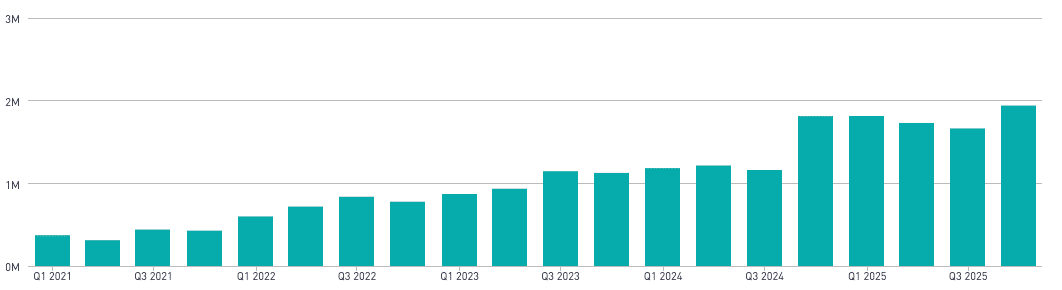
Southern California social care searches over time.
Growth in searches in California on Findhelp platforms, Q1 2021 through Q4 2025


Together, with our California partners, we’re building toward a future where social care is not an afterthought — but a foundational part of how health, housing, and human services work together.


Let’s keep the conversation going

The Southern California Social Care Summit was a powerful reminder of what’s possible when purpose, people, and technology converge. If you’re interested in how Findhelp can support your work in California — whether you’re a health system, community-based organization, payer, or state agency — we’d love to chat.

Making Care Connections Easier: Ep. 2 of the ‘No Wrong Door’ Podcast

No Wrong Door is a podcast from Findhelp that explores how social care delivery is evolving to better support whole person care. Hosted by Findhelp VP of Marketing Amy Gordona, the series features conversations with social care experts, healthcare and government innovators, and Findhelp leaders who are shaping the future of access, coordination, and connected care.

Each episode offers an inside look at the systems, decisions, and ideas driving change—and what it takes to build a social safety net that works at scale.

'No Wrong Door' is a podcast from Findhelp exploring how social care delivery is evolving to better support whole-person care.

When care becomes complex, people can fall through the cracks.

In the second episode of No Wrong Door, host Amy Gordona sits down with Delaney Boldman, Business Solution Architect at Findhelp, to explore how specialty networks can transform the way people are connected to behavioral health, post-acute care, and essential social supports.

Why care transitions are so hard today

How specialty networks simplify access to complex care

What it takes to support whole-person care at scale


Watch episode 2: “Making Care Connections Easier”


Key themes from the conversation

Amy and Delaney unpack why today’s care transitions are so difficult, how outdated processes slow everything down, and what it takes to build access that actually works for both care teams and the people they serve. Explore their take on making care connections easier.


The problem with care transitions today

Across the country, care teams are navigating an ecosystem that was never designed to be seamless. As Amy explains, fragmented systems often lead to long hospital stays, delayed placements, and unnecessary suffering for patients.

Behind the scenes, discharge planners and social workers are juggling spreadsheets, phone calls, and outdated tools just to find available care.

Bed availability changes constantly. Eligibility rules vary. And by the time information is verified, it may already be out of date.

VP of Marketing at Findhelp and Host of ‘No Wrong Door


Why specialty networks are different

Specialty networks are designed to go beyond traditional resource directories. As Delaney explains, they expand Findhelp’s platform into spaces where access, quality, and real-time information matter most — starting with behavioral health and post-acute care.

Rather than forcing care teams to search across multiple systems, specialty networks bring information together in one place.

This model allows navigators to see availability, understand fit, and take action without jumping between platforms.

Business Solutions Architect at Findhelp


One search, all services

A recurring theme in the conversation is Findhelp’s vision of one search, all services.

The goal is simple, even if the work behind it is not: support the whole person without requiring multiple tools, logins, or workflows.

By integrating behavioral health providers, post-acute facilities, and social care resources into a single experience, specialty networks help care teams address both clinical and non-clinical needs together.

Business Solutions Architect at Findhelp


Designing for navigators and care teams

Ease of use isn’t a nice-to-have — it’s foundational.

Delaney emphasizes that specialty networks are being built with navigators, discharge planners, and social workers at the center.

That focus shows up in how networks are curated, how results are explained, and how actions like referrals and bookings can happen directly within existing systems of record.

VP of Marketing at Findhelp and Host of ‘No Wrong Door


Quality, trust, and real-time data

In high-stakes areas like behavioral health and post-acute care, quality and accuracy matter deeply.

Specialty networks rely on vetted partners, real-time APIs, and ongoing governance to ensure listings stay current.

This approach helps care teams make confident decisions while ensuring people don’t lose access because of outdated or incomplete information.

Business Solutions Architect at Findhelp


What success looks like: Making care connections easier

For Delaney, success is clear: fewer spreadsheets, fewer delays, and better outcomes for people navigating complex care transitions.

When people can access behavioral health care, post-acute placement, and social supports together, the result is fewer readmissions, smoother transitions, and a system that works the way it should.

Business Solutions Architect at Findhelp


What’s next for No Wrong Door?

“Making Care Connections” easier is available now—Episode 3 will be released on March 4 and features Jaffer Traish, Findhelp’s COO, talking about social care consent, data exchange, and where we go from here.

Subscribe to No Wrong Door wherever you listen to podcasts to be notified when new episodes drop:

'No Wrong Door' is a podcast from Findhelp exploring how social care delivery is evolving to better support whole-person care.

How Essentia Health Increased Patient Trust by 66% with Findhelp

Essentia Health, a large integrated health system in the upper Midwest, partnered with Findhelp to launch Resourceful, an integrated community resource referral system that delivers “helpful help”. In just a few years, the platform has connected more than 25,000 patients to essential services such as housing, food, and transportation, improving trust and communication between patients, providers, and community organizations.

(Olson, AW et al., 2025)

Findhelp’s partnership with Essentia began in 2021, leading to the creation of Resourceful—Essentia’s branded version of Findhelp’s platform. Providers can make electronic, closed-loop referrals via Findhelp directly within Epic, Essentia’s electronic health record (EHR), bridging healthcare and community-based services.

Our latest case study highlights how Essentia Health’s partnership with Findhelp delivered measurable improvements in trust, efficiency, and care coordination.

Essentia replaced manual referrals with a closed-loop system integrated with Epic, turning “homework” into real support.

Findhelp usage increased patient trust by 66% and helped patients feel like people, not numbers.

93% of surveyed healthcare workers used Findhelp’s referral technology to reduce the time spent connecting patients to services


Essentia’s challenge: A broken system for finding social care

Before implementing Resourceful, Essentia Health’s process for addressing social needs was manual and fragmented. For patients, navigating this system was like trying to solve a “complicated maze of organizations, information, processes, and administrative burdens,” which often led to a deep sense of mistrust and skepticism (Olson, AW et al., 2025).

For staff, the process was inefficient and unsatisfying.

The traditional workflow involved giving patients brochures or resource lists–a practice Jill Doberstein, Essentia Health’s Community Outreach Program Manager, calls “giving patients homework.”

This homework approach led to patient frustration, missed opportunities, incomplete follow-ups, and inequitable outcomes, particularly those with housing or transportation barriers.

Essentia Health partners with Findhelp to deliver "helpful help".

Essentia Health is an integrated health system serving Minnesota, North Dakota, and Wisconsin. With a focus on advancing rural health equity, Essentia Health operates over 70 clinics and hospitals and employs more than 14,000 staff.

As Essentia expanded its health-related social needs (HRSN) screening, staff were identifying more problems without clear next steps to address them. Relying solely on social workers or community health workers for every identified need was unsustainable given the volume. The community recognized the need for a modern, shared infrastructure, and came together, with support from the City and County, to better connect the entire network of care. 

Jill Doberstein leads Essentia Health's partnership with Findhelp to deliver "helpful help".

Community Outreach Program Manager at Essentia Health (Nelson et al., 2025)

To solve the challenge, Essentia needed to fill two critical gaps:


From “homework” to “helpful help”: How Findhelp shifted the burden from patients

Essentia Health implemented Findhelp’s platform, branding it “Resourceful,” and integrated it directly into their Epic electronic health record (EHR). This integration solves the “homework” problem by shifting the burden away from patients and into the hands of empowered care team members who can identify needs and initiate electronic referrals to CBOs directly within their existing workflow.

“Now, with this platform, I can see who’s eligible. Is the program available? Are they on a waitlist? And then I can place that electronic referral with [the patient’s] consent” Doberstein explains (Nelson & Doberstein, 2025).

This system enables both provider-driven and self-directed access to community services, and care teams can issue referrals and receive status updates, closing the loop on care coordination. Doberstein refers to this feedback mechanism as the platform’s most valuable feature: “Not only can we send that electronic referral on our patients’ behalf, but we also want it to know what happens. That full-circle opportunity was huge.” (Nelson & Doberstein, 2025).

Through Findhelp, Essentia trained hundreds of staff and community partners—including public health agencies and local nonprofits—on how to navigate and promote the tool. The platform is free for patients, and lists only free or low-cost services, ensuring equitable access. Resourceful is promoted through patient materials, such as After Visit Summaries in Epic.

The implementation involved extensive community engagement, ensuring the platform and workflows were designed with input from people with lived experience. 

Resourceful differentiated itself from past methods by offering a centralized, vetted database, streamlining the referral process, reducing patient burden, and providing crucial outcome data.


The results: Proving the value of “helpful help”

To measure the patient experience, Essentia Health collaborated with UCARE, Blue Cross and Blue Shield of Minnesota, and others on a Community-Based Participatory Evaluation (CBPE) study. Results emphasized the value of “helpful help”—actively connecting patients to services versus simply providing information. Essentia acted on this feedback by refining workflows and training staff. 

Jill Doberstein leads Essentia Health's partnership with Findhelp to deliver "helpful help".

Community Outreach Program Manager at Essentia Health (Nelson et al., 2025)

Quantitative results: Improved experiences

86% of healthcare workers (HCWs) and 66% of patients agreed that using Resourceful strengthened trust.

79% of HCWs and 60% of patients agreed the system made patients feel like a person, not just a number.

93% of HCWs agreed that the platform assisted them in reducing the time and energy patients would have otherwise spent finding services, while 56% of patients agreed.

86% of HCWs and 68% of patients said using Resourceful made it easy for them to talk about finding and/or getting connected to help.

86% of HCWs and 59% of patients agreed that Resourceful made it easy for them to understand how to find and/or connect to help.


Qualitative results: Feeling heard

The qualitative analysis also highlighted how the new process helped patients feel heard and valued. One patient described a transformative experience: “Well, [the HCW who used Resourceful] told me somebody would contact me, but in my experience, I never had anybody tell me, ‘Somebody will contact you,’ and that afternoon, somebody had already contacted me. I almost fell over. I mean, this was taken care of right away. It was not put in my file never to be looked at again” (Olson, AW et al., 2025).

For HCWs, the ability to close the loop on referrals was a game-changer. It not only improved efficiency but enabled higher quality of care focused on the patient’s well-being. Testimonials from the CBPE study highlight the platform’s real-world impact:

Looking ahead

The study results were used to enhance training and communication for Essentia staff. Future plans include expanding their Trusted Networks and continuing to use data and feedback to optimize the platform and processes. Furthermore, the study recommends that future work focus on exploring these findings in different communities to understand how factors such as demographics and geography influence the patient experience.


Ready to deliver “helpful help” in your community?

Essentia Health’s experience shows what’s possible when health systems move beyond resource lists and build real, trackable connections to community care. By embedding closed-loop referrals into everyday workflows, they strengthened trust, improved efficiency, and made patients feel seen and supported.

If your organization is working to address health-related social needs, you don’t have to start from scratch. Findhelp partners with health systems across the country to design, implement, and scale referral networks that fit seamlessly into clinical workflows and connect patients to the right support at the right time.

Schedule a demo with Findhelp to see how you can replicate Essentia’s success and build a more connected, trusted network of care.


References:

Olson AW, Allen N, Elmayan A, Green K, Harry M, Kempfert J, Maki H, Nelson S, St. John R, Witherspoon S, Rapps M (2025 May). Getting Inside Closed‐Loop Referrals: Exploring the Patient Experience of Finding and Connecting to Social Care With a Community Resource Referral System Using a Community‐Based Participatory Approach. Health Services Research, 60(Suppl 3). https://onlinelibrary.wiley.com/doi/10.1111/1475-6773.14451?af=R 

Nelson, S., Doberstein, J., & Olson, AW. (2025, May 8). Getting inside closed-loop referrals: Exploring the patient experience using a community-based participatory evaluation approach [Conference webinar]. Findhelp’s 2025 Connect Summit; Essentia Health. https://auntbertha-2.wistia.com/medias/jf7tl38zts

Nelson, T., & Doberstein, J. (2025, September 8). How Essentia is bridging health care and community support [Podcast episode]. In Hospital Matters. Minnesota Hospital Association. https://www.mnhospitals.org/2025/09/08/how-essentia-is-bridging-health-care-and-community-support/

Happy 211 Day: Celebrating the Quiet Strength of the 211 Network

This blog post is written by Dallas Mudd, Findhelp’s Sr. Director of Partnerships. Dallas spent the majority of his United Way career leading the Arkansas 211 call center, and works closely with our 211 and United Way partners nationwide.

Connect with Dallas to explore how we can partner to help more people.

Happy 211 Day from Findhelp!

Every year on February 11 we observe 211 Day. It is a day marked on the calendar to recognize a three-digit number, but for those of us who work alongside this network, we know it represents something far more profound. It represents a lifeline, a safety net, and—most importantly—the dedicated people who make it all work.

To all the call specialists, the database curators, the managers, and the 211 leaders: We see you, and we’re proud to recognize you today.

211s: The front door to social services

The 211 network is often described as the “front door” to social services, but that metaphor doesn’t quite capture the complexity of the work you do. You aren’t just opening a door; you’re navigating a labyrinth.

Back when I led a statewide 211, I always told my community members that no one calls 211 because they’re having a great day. Rather, you answer the calls from individuals facing their hardest moments. You speak to the parent who is three days away from an eviction notice, the senior who has to choose between medicine and heat, and the family trying to make sense of a new diagnosis. In a world that is increasingly digital and distant, you’re the human connection that turns a moment of crisis into a plan of action. 

Persevering at the front line of hope

The 211 network has spent decades building trust. That trust is your greatest asset.

I would be remiss to celebrate your impact without acknowledging the weight you carry. The reality is that the 211 and United Way networks are being asked to do more than ever before, often with fewer resources.

Despite the challenges, the 211 network has shown an incredible capacity for resilience. You have evolved through pandemics, natural disasters, and economic shifts. You have remained the steady hand in the storm.

Join us in celebrating 211s

211 Day is not only a time to acknowledge the hard work of 211s but also a time to spread the word about this life-changing service. Here’s how you can join the celebration:

On 211 Day, we celebrate the power of connection and community. Whether you need help or want to help others, 211 is here to bridge the gap. Together, we can ensure that everyone has access to the support they need to thrive.

Looking ahead with gratitude

As we look toward the future of 211, our goal at Findhelp is to ensure that the network has the support, the visibility, and the sustainability it needs to thrive for another fifty years. Whether it’s finding new ways to demonstrate your impact to stakeholders or looking for tools that give your staff a moment to breathe, the focus remains the same: The people you serve.

To the entire 211 and United Way community: Your work is often quiet, behind the scenes, and far too often underfunded—but not unnoticed. You are the heartbeat of the social safety net, and our communities are stronger, kinder, and more resilient because you are in them.

We celebrate your history, your dedication, and the incredible future you are building—one call, one text, and one person at a time. Happy 211 Day, from all of us at Findhelp.

Untangling the Social Safety Net: Ep. 1 of the ‘No Wrong Door’ Podcast

No Wrong Door is a podcast from Findhelp that explores how social care delivery is evolving to better support whole person care. Hosted by Findhelp VP of Marketing Amy Gordona, the series features conversations with social care experts, healthcare and government innovators, and Findhelp leaders who are shaping the future of access, coordination, and connected care.

Each episode offers an inside look at the systems, decisions, and ideas driving change—and what it takes to build a social safety net that works at scale.

'No Wrong Door' is a podcast from Findhelp exploring how social care delivery is evolving to better support whole-person care.

The social safety net touches nearly every aspect of daily life—from healthcare and food assistance to housing, income-based benefits, and community services. Yet for many people, accessing that support feels fragmented, confusing, and frustrating.

We often talk about the social safety net as if it’s a single system. In reality, it’s a complex web of programs, policies, funding streams, and organizations designed to support people at different moments in their lives.

In the first episode of No Wrong Door, Amy Gordona sits down with Carla Nelson, Senior Director of Healthcare and Public Policy at Findhelp, to take a step back and look at the safety net as a whole. 

How the system is structured today

Where friction shows up for people trying to access help

Why benefits enrollment plays such a critical role in connecting individuals to support


Watch episode 1: “Untangling the Social Safety Net”


Key themes from the conversation

Carla and Amy move beyond surface-level challenges and into the realities behind them—from administrative complexity and eligibility rules to the downstream effects of delays, procedural churn, and disconnected systems. Here are the key themes from their insightful conversation.


The safety net is interconnected—but not always connected

Carla describes the safety net as a collection of many different organizations serving basic needs like food, shelter, healthcare, transportation, and human connection.

While these programs often overlap in the lives of individuals, they are rarely designed to work seamlessly together.

That disconnect shows up most clearly for people who need help navigating multiple programs at once, each with its own applications, documentation requirements, and timelines.

VP of Marketing at Findhelp and Host of ‘No Wrong Door


Access and enrollment are where friction becomes real

Eligibility rules, complex applications, and documentation requirements can turn moments of crisis into prolonged periods of uncertainty.

As Amy and Carla discuss, delays in enrollment don’t just slow things down—they can prevent people from receiving benefits at all.

This friction impacts individuals and families, but it also creates inefficiencies and higher costs for the systems and organizations meant to support them.

Senior Director of Healthcare and Public Policy at Findhelp


Modernization offers real opportunity

Despite the complexity, the conversation ends on a note of optimism.

Policy changes, technology modernization, and better data-sharing practices are creating opportunities to streamline access, reduce administrative burden, and improve coordination across sectors.

At the heart of it all is a shared goal: helping people get the support they need, when they need it, with less friction along the way.

Senior Director of Healthcare and Public Policy at Findhelp


What’s next for No Wrong Door?

Episode 1 sets the foundation by unpacking the complexity of the social safety net and the systems behind it. In future episodes, we’ll continue exploring how access, coordination, and connected care are evolving—and what it takes to build solutions that work across sectors.

Subscribe to No Wrong Door wherever you listen to podcasts to be notified when new episodes drop:

'No Wrong Door' is a podcast from Findhelp exploring how social care delivery is evolving to better support whole-person care.

‘Best in KLAS for SDoH’: One Year is Potential, Five Years is Proven

We’re thrilled to share that Findhelp has been named Best in KLAS for Social Determinants of Health (SDoH) Networks in the 2026 Best in KLAS™ – Software & Services report—for the fifth consecutive year.

This distinction is especially meaningful because Best in KLAS rankings are grounded entirely in the voices of the organizations using the technology. One year shows potential. Five years is proven.

This repeat recognition reflects deep customer satisfaction, strong partnerships, and measurable impact in helping health systems and payer organizations improve how they connect patients to social care resources.

Findhelp has been named 2026 Best in KLAS for SDoH.

In the 2026 KLAS report, Findhelp received an overall score of A-, and ranked above the competition in every category: culture, loyalty, operations, product, relationship, and value. Findhelp customers surveyed by KLAS Research agreed:

  • 100% – Would purchase Findhelp again.
  • 100% – Findhelp is part of their organization’s long-term plans.
  • 97% – Findhelp “keeps all promises”.


Validated by customer voices

These firsthand insights from healthcare professionals help paint a picture of how Findhelp performs in real-world settings—across diverse organizations, use cases, and populations.

“There has been an annual forum with CBOs, health systems, and payers at the same table to share ideas and feedback, and I really welcome that. I ask that Findhelp continue to do that because, at the end of the day, social needs and the workflows are really dependent on relationships. That is something that the vendor understands. It is obviously hard for a national technology company to embrace that, bring in their capabilities locally, and help cultivate the relationships, but they get that part, and that is really important. There are a couple of things that we are doing with Findhelp that are exciting.”

Director
Healthcare customer
Provided to KLAS, Nov. 2025

Findhelp has been named 2026 Best in KLAS for SDoH.

“Findhelp is a good partner. We have worked with them for many years, and our relationship has consistently been good. The firm has been flexible and has adjusted when we have needed to highlight certain services or face different challenges. The firm has adapted really well as things have changed. When someone has been out or when Findhelp has had different changes, we have always seen that whoever is in that space has been able to step in and help take care of whatever we needed. Change is just a constant in what we do, so it seems like there is always something around the corner that we need to be looking ahead to. Findhelp has consistently performed and stayed at a high level. I’m not expecting that to change.”

VP/Other Executive
Healthcare customer
Provided to KLAS, June 2025

Findhelp has been named 2026 Best in KLAS for SDoH.


What Best in KLAS for SDoH measures

KLAS Research evaluates software and services on criteria that matter most to customers: performance in practice, relationship quality, loyalty, value, and outcomes. In the 2026 report, Findhelp received outstanding scores across these categories, continuing a trend of excellence built over half a decade. This consistency signals sustained momentum rather than a one-off accolade.

Findhelp has been named 2026 Best in KLAS for SDoH.

Source: 2026 Best in KLAS™ – Software & Services report


“We have a unique contract with Findhelp, and they have stuck to that and have been super proactive and engaged. We are really trying to be efficient with our dollars, and that is a very good mark. There have been a few projects that have come up that Findhelp has expressed a willingness to pivot to that might result in additional costs, but the costs aren’t extreme, and those items weren’t in our contract. There are a number of other products that they have that could have some potential in the future. In this realm, Findhelp is really doing well. We have been super pleased.”

Director
Healthcare customer
Provided to KLAS, June 2025

Findhelp has been named 2026 Best in KLAS for SDoH.


Built to deliver, year after year

Since the SDoH Network category debuted in 2021, Findhelp has topped the rankings every year. This ongoing recognition highlights what many of our partners share: a platform that is intuitive, flexible, and engineered to help organizations scale social care without creating administrative burden.

Findhelp has been named 2026 Best in KLAS for SDoH.

Founder & CEO, Findhelp

Making the switch

To date, 25 customers—and counting—have switched to Findhelp from competing solutions, citing the platform’s:


“I like the ease of use with Findhelp. About half of our community collaboratives came from a different platform, and they were very concerned about the learning curve as we started using Findhelp. They were making it into a big issue, but it didn’t end up being a big issue. We got in there and started using Findhelp. It was simple.”

VP/Other Executive
Healthcare customer
Provided to KLAS, June 2025


Looking ahead

We’re energized by what this Best in KLAS for SDoH milestone represents—not just for Findhelp, but for the growing community working to better integrate social care into health delivery. Achieving this level of validation year after year motivates us to continue innovating, listening, and strengthening the impact we deliver together.

Thank you to every customer who provided feedback to KLAS. Your perspectives not only shaped this recognition, they help drive the product and service improvements we make every day.

See why Findhelp is setting the standard for social care technology – grab time with us to learn more.

Fixing Mental & Behavioral Health Infrastructure with MiResource

Behavioral health demand has never been higher. Yet for millions of people, accessing care remains frustratingly out of reach. Referrals fail. Directories mislead. Care teams spend hours navigating systems that weren’t designed for the realities of mental and behavioral health.

The problem isn’t awareness. It’s capacity and infrastructure.

That’s why we’re excited to share more about Findhelp’s new integration partnership with MiResource, expanding our Behavioral Health Network and taking another major step toward improving behavioral health access.

This announcement builds on last week’s launch of our SimplePractice partnership, which brought scheduling-enabled behavioral health providers directly into Findhelp’s platform.

Findhelp is building behavioral health infrastructure with MiResource and SimplePractice.

Together, these integrations reflect a clear strategy: behavioral health should not live in siloed tools or disconnected workflows. It belongs inside whole person care delivery.

Why behavioral health access breaks down and what’s driving failed referrals

How Findhelp’s expanded Behavioral Health Network connects search, scheduling, and care

What a unified approach means for access, outcomes, and accountability


Fixing the data that breaks mental & behavioral health referrals

Behavioral health directories are 65 to 90 percent inaccurate. Providers listed as accepting new patients often aren’t. Insurance information is outdated. Availability is unknown. Specialties and populations served are poorly captured, if at all.

When care teams rely on this data, referrals break before care can even begin. Patients hit dead ends. Providers get flooded with mismatched inquiries. Health systems and payers face growing parity and compliance risk as regulators escalate enforcement.

Bad data doesn’t just slow care. It prevents it.


Findhelp is building behavioral health infrastructure with MiResource

Co-Founder and CEO of MiResource

What this partnership changes

MiResource solves the hardest problem in mental and behavioral health: maintaining accurate, structured, and continuously validated provider data across the full continuum of care, from solo practices to residential treatment programs.

Findhelp ensures referrals actually move, close, and are tracked across social, community, and behavioral health care.

Together, we bring those capabilities into one unified platform.

Care teams, navigators, and agencies can now:

This is not another closed network or point solution. It’s open behavioral health infrastructure, designed to scale and improve accuracy at the source.


Findhelp is building behavioral health infrastructure with MiResource

COO at Findhelp


A Behavioral Health Network built for real-world care

Findhelp’s Behavioral Health Network now unifies:

By integrating behavioral health and social care into a single workflow, we reduce administrative burden, accelerate placement, and strengthen transitions across the continuum of care.


Impact across the ecosystem

This expansion delivers meaningful value for everyone involved:

Findhelp is building behavioral health infrastructure with MiResource


Looking ahead

This partnership operationalizes a belief we share with MiResource: the future of behavioral health access will be determined by data infrastructure, not closed networks.

With continued partner expansion and real-time data validation, Findhelp’s Behavioral Health Network is building the infrastructure needed to move behavioral health out of silos and into whole-person care, where it belongs.

Medicaid 2027: Connecting the Ecosystem to Meet Community Engagement Requirements

In this four-part series, Carla Nelson, Findhelp’s Senior Director of Healthcare and Public Policy explores key strategies and best practices for meeting Medicaid Community Engagement requirements. We’ll cover beneficiary engagement through a simplified workflow, deployment models that prevent silos, and the data infrastructure required to effectively communicate and verify outcomes across a multi-stakeholder network.

Part 1 begins with the landscape: the requirements, the timeline, and the need for a connected ecosystem.

Under new federal requirements, beginning January 1, 2027, millions of Medicaid Expansion adults will need to document their participation in the workforce or community to maintain their healthcare coverage. Successfully implementing this policy requires a participatory and connected ecosystem.

To keep eligible people enrolled and promote economic mobility, stakeholders from state government, health plans, providers, and community organizations must be able to share data and coordinate support.

Who’s impacted, what counts, key exemptions, and the rollout timeline.

How states, plans, providers, CBOs, & beneficiaries must coordinate to avoid coverage loss.

How you can use shared infrastructure and data to verify participation and reduce burden.


The policy baseline: Community engagement requirements

To understand the impact, we must clarify the rules. Under the new requirements, adults aged 19–64 in the Medicaid Expansion group must document at least 80 hours per month of qualifying activities (work, volunteering, or education). Eligibility reviews will occur every 6 months, requiring a steady flow of data to maintain coverage.

  • Exemptions: A significant portion of members will be exempt (e.g., caregivers, medically frail, SUD treatment).
  • Ex parte verification: States are required to attempt to verify status using existing data (SNAP, wage data) before asking the beneficiary.
  • Timeline: While the law takes effect January 1, 2027, beneficiary outreach must begin October 2026 (3 months prior). States may elect to implement sooner than the law requires.


The need for connectivity

Meeting these federal requirements and preventing procedural disenrollments relies on the active participation of multiple sectors. Each stakeholder plays a distinct role and has distinct data systems.

State agencies

To execute “ex parte” reviews, states need the technical capability to combine, ingest, and synthesize data from disparate sources. This involves pulling beneficiary information from internal systems (like SNAP enrollment and claims data)  to automatically determine compliance or exclusions, minimizing the need for manual caseworker review. States also need external data (like income and job program participation) to make final determinations for individuals needing to meet the requirements. 

Medicaid managed care organizations (MCOs) 

MCOs are positioned to support member retention and continuity of care, as they did during the public health emergency Medicaid unwind. They hold claims and risk data that can support exemption determinations by the State. To assist members in finding qualifying activities and meeting requirements, MCOs need visibility into which members are exempt and which members may be at risk of non-compliance. This allows care managers to offer targeted outreach and navigation support.

Healthcare providers

With frequent beneficiary interactions, healthcare providers hold encounter data in their EHRs, are uniquely positioned to educate patients on the new requirements and connect them to qualifying activities as part of holistic care. Protecting coverage is also a financial imperative. Preventing churn reduces the risk of uncompensated care and ensures that treatment plans remain uninterrupted.

Community-based organizations (CBOs)

Local organizations, such as food banks and training centers, provide the volunteer and training opportunities necessary for members to meet the 80-hour requirement, and may track this data electronically or manually. For these hours to count toward eligibility, CBOs need a digital, streamlined way to attest to a member’s participation.

Beneficiaries

Medicaid beneficiaries are critical participants, and they need clarity and access. A simplified, mobile-friendly experience allows them to understand their status, find opportunities, and submit necessary documentation.


Connecting the ecosystem with existing infrastructure

Findhelp already connects millions of Medicaid members to support through existing relationships with MCOs, healthcare providers, state agencies, and a nationwide network of CBO programs and services. We provide the infrastructure that allows data to flow securely between these entities. We pair this infrastructure with user interfaces and integrations designed for the specific needs of each sector.

Our platform works by collecting, standardizing, and delivering the data:

  1. We provide simple, sector-specific tools for data collection, like free case management for CBOs, integrations with healthcare systems of record, and member file ingestion to display eligibility information.

  2. Our system standardizes this diverse information into the specific reporting formats required by the State. We do this today by mapping to standards like USCDI and the Gravity Project.

  3. We route the data back to the entity that needs it, giving States audit-ready files, MCOs updated member dashboards, and beneficiaries immediate confirmation.


By seamlessly connecting states, MCOs, providers, CBOs and beneficiaries, we ensure that community engagement activity is captured and counted. This improves the community engagement experience for stakeholders, and reduces the administrative burden on states, partners, and beneficiaries alike.


What’s Next?

Now that we have established the landscape, we need to look at how the process actually works for the people involved.

In Part 2 of this series, we’ll dive into the User Workflow, mapping the journey from the moment a beneficiary receives a notification to the moment their hours are verified. Later in the series we’ll cover Deployment Models (Part 3) and Data Infrastructure (Part 4).

Partnering with SimplePractice to Transform Behavioral Health Access

Finding and accessing behavioral health services and providers can feel like navigating a maze — but that’s about to change.

We’re proud to announce our new partnership with SimplePractice, a management and EHR platform used by hundreds of thousands of behavioral health providers.

Together, we’re bringing real-time provider availability and scheduling directly into the Findhelp experience.

Findhelp and SimplePractice are partnering to transform behavioral health access.

This new collaboration creates a smoother path from searching for care to actually scheduling it — all in one place — marking a meaningful step forward in closing persistent gaps in access to behavioral health services.

How this partnership transforms access through real-time behavioral health availability and scheduling

Why reducing friction is critical to improving behavioral health access

How better-matched referrals benefit individuals, care teams, and providers, leading to more coordinated, whole-person care


Bringing real-time scheduling into Findhelp

Behavioral health care is essential, yet it’s often one of the hardest parts of the health journey to access. Traditional provider lists and directories don’t tell you who’s actually available, what they accept for insurance, or how soon you could start care — and that slows everything down.

Beyond access, existing systems are disconnected and fragmented. Social needs and behavioral health needs are deeply intertwined, but most systems treat them separately – forcing care teams to address surface-level symptoms without visibility into the underlying drivers. 

Findhelp + SimplePractice are removing these barriers:

Findhelp and SimplePractice are partnering to transform behavioral health access.

Founder & CEO, Findhelp


Why this matters now more than ever

Behavioral health needs continue to rise, and system delays make it harder for people to connect with care when they’re ready for it. On average, more than a decade can pass between someone experiencing symptoms and actually receiving treatment — a gap that this kind of real-time access aims to shrink.

Before now, care teams often had to:


The Findhelp + SimplePractice integration changes this by creating dynamic, searchable schedules with booking right from the platform, helping ensure people don’t fall off after that first step of looking for help.


A network that works for providers too

SimplePractice is more than just a directory — it’s a full practice management ecosystem supporting over 250,000 independent behavioral health practitioners across all insurance networks. In 2025, practitioners on the platform provided 125+ million clinical sessions to 10 million patients.

This partnership benefits practitioners by:

Findhelp and SimplePractice are partnering to transform behavioral health access.

CEO, SimplePractice


Real impact across the care continuum

The benefits of the partnership extend across the broader healthcare ecosystem:

Fewer dropped referrals

Faster access to care

Lower administrative burden for care teams

Better outcomes through earlier intervention

Closer integration of behavioral health with physical health and social care


Embedding real-time behavioral health access into workflows helps organizations support key priorities like Medicaid initiatives, post-discharge workflows, and whole-person care models — all while improving continuity and long-term stability for individuals.


Looking ahead: A connected network of care

Findhelp plans to build on this work with additional specialty networks for high-need services. The goal is a single hub where people and care teams can search for services, connect with providers, and successfully access care across a wide range of needs.

This partnership with SimplePractice is a big first step toward that vision — showing what’s possible when technology connects care individuals, care teams, and care providers in real time.