











Scraped Is Not Built: What to Ask Before You Choose a Social Care Network
A mother calls the number listed for an emergency food pantry. It’s disconnected. She tries the next listing and drives across town to a site that closed two years ago. By then it’s dark, her kids are in the back seat, and she has used up the gas she is saving for the week.
She doesn’t blame the software vendor. She blames the organization that sent her there. If that program is yours, that’s the story that follows you into your next budget meeting.
And even if a healthcare navigator were searching on behalf of a mother in need, sending their patient to a resource that is closed, doesn’t exist, or can’t help with the crisis their patient is facing, it’s highly likely that mother will not trust the organization the next time they try to help her. These failures also erode the navigator’s faith in the system, leading to usage decline and, eventually, the abandonment of the platform altogether.
This is what bad data does in social care. And right now, some vendors are building their networks in a way almost guaranteed to produce bad data.
Keep reading to learn how:

Scraped directories create real-world harm and erode trust.
Real social care infrastructure demands ongoing, human-led curation.
You can vet vendors’ social care network data sourcing during procurement, rather than after deployment.
A troubling pattern
Connecting people to community-based organizations (CBOs) that deliver social care takes more than a database. It takes accurate, current, verified information. As states invest in social care infrastructure and hire vendors to build it, we are seeing a troubling pattern: mass data scraping presented as network building.
Our own internal data shows it. In these real examples, we tracked unexpected spikes of platform activity at more than 4 times the baseline.
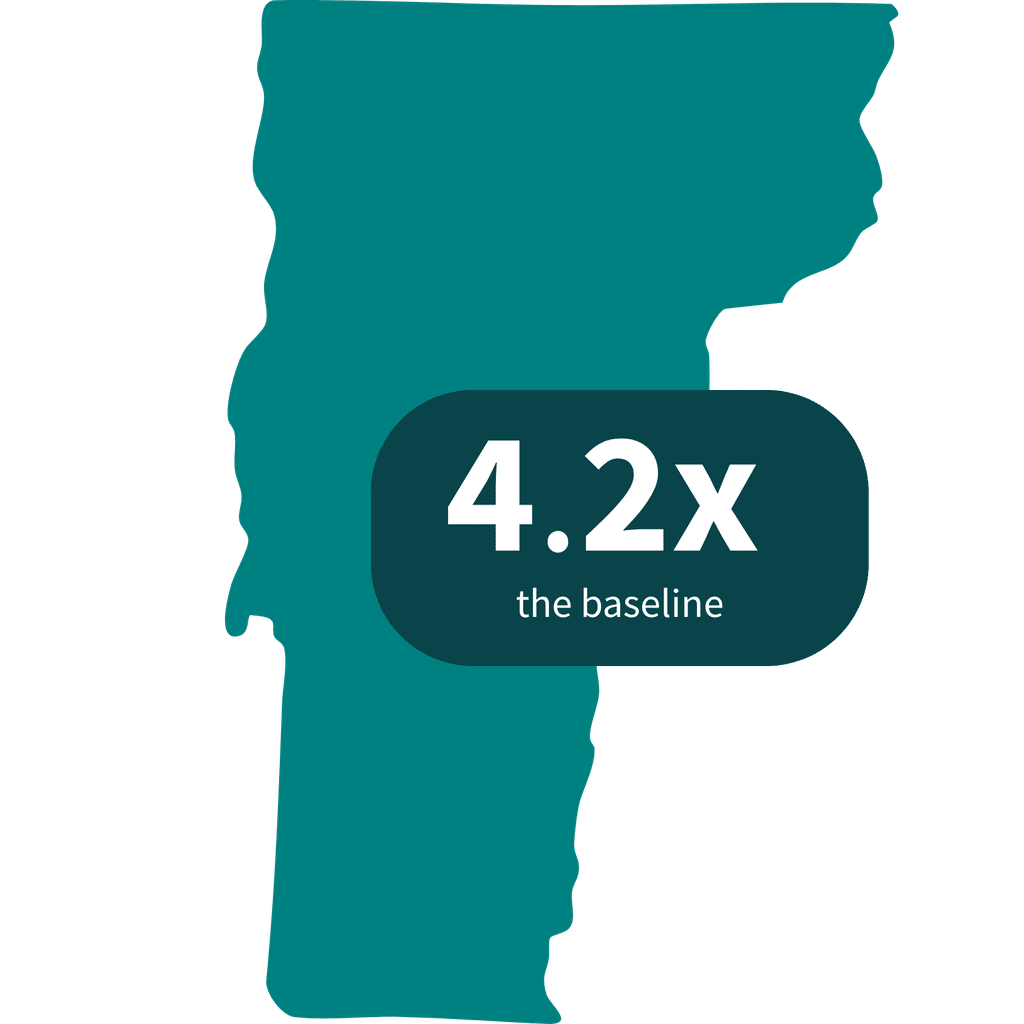
Vermont
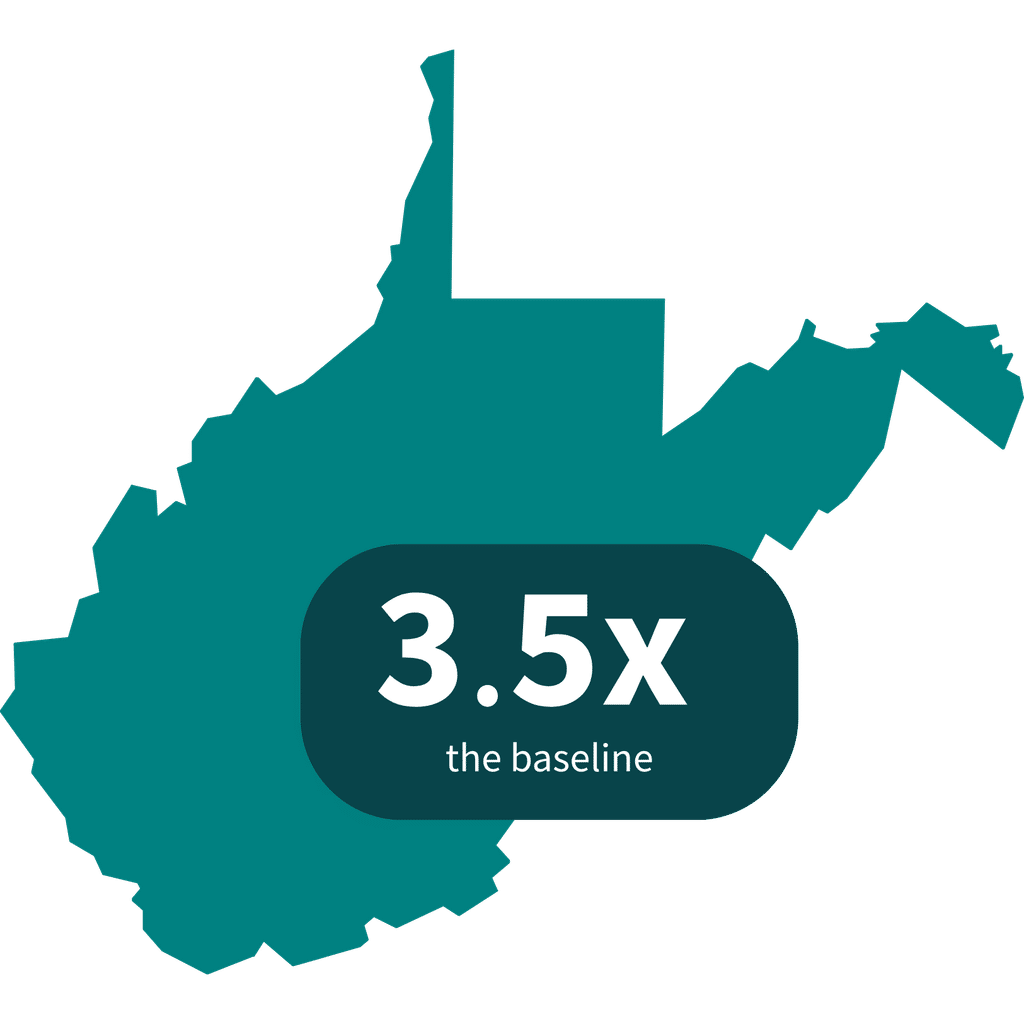
West Virginia
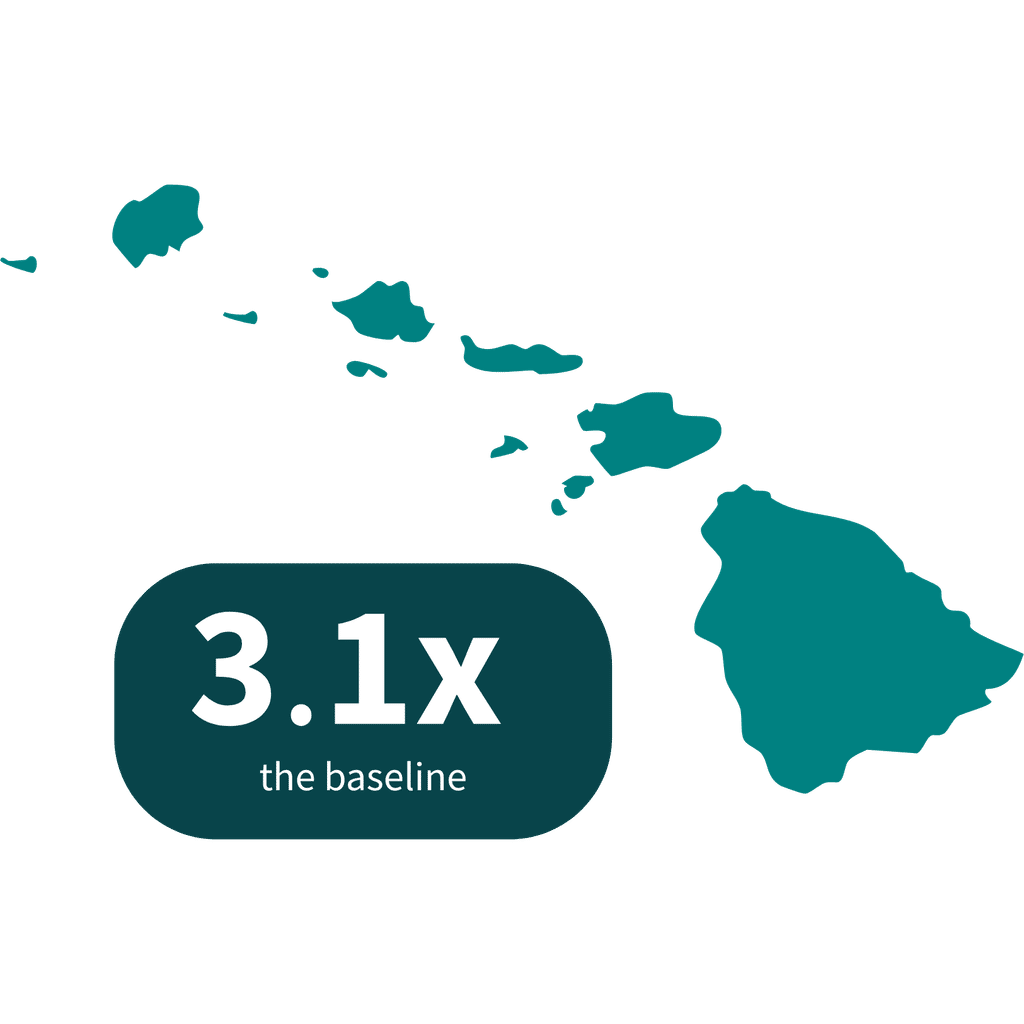
Hawai’i
In each state with active procurement for a statewide closed-loop referral platform, we see a spike in automated activity against our network. The timing is not a coincidence.
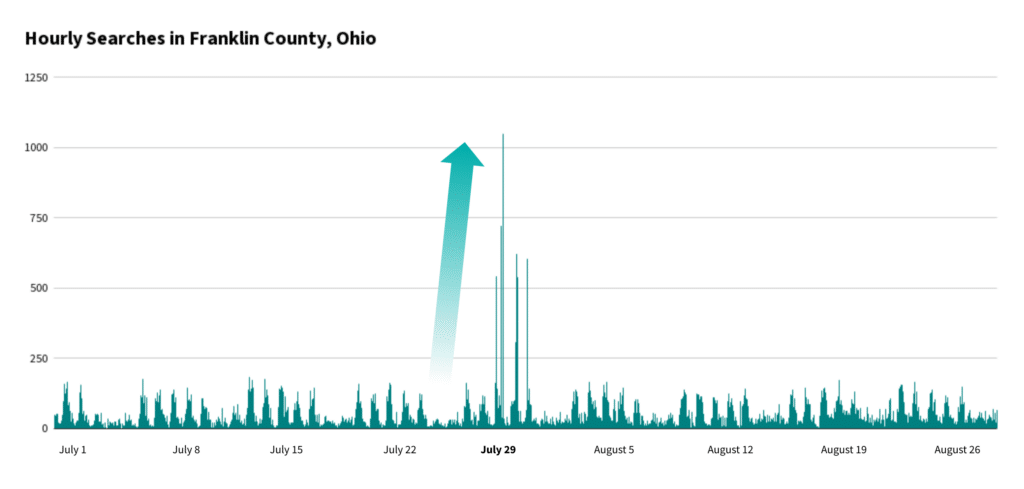
We tracked a 123% increase (driven by automated activity) at the same time that a competitor launched their platform in this area.
If you’re an RFP evaluator, an agency leader, or a community partner choosing a social care coordination vendor, you need to know exactly where that vendor’s data comes from. The answer will decide whether your program really works for the people it is meant to serve.
What scraping actually is
Scraping is a short-term strategy that uses automated bots to pull listings from websites and legacy directories, including the work of other vendors. A vendor can collect thousands of listings in a state, load them into a polished interface, and announce a robust social care network almost overnight.
The ethics are a problem on their own. The bigger issue is what happens next.
Why this matters to you as the buyer
Your residents bear the risk.
Scraped data is a snapshot, and nobody is checking it. Food pantries change hours. Programs lose funding. Eligibility rules shift. When a resident is sent to a program that no longer exists, they lose time they do not have, and many will not try again.
Your agency owns the outcome.
When a referral fails, residents do not blame the vendor. They blame the state or county or agency program that put the tool in front of them. Public trust in a new program is hard to build and easy to lose.
Community organizations get caught in the middle.
Scraped listings mean organizations are named in a network they never agreed to join. They have no control over what is said about them, no preparation for incoming referrals, and no way to fix errors. Those are the same organizations you are counting on as long term partners.
You may pay for something that does not last.
A social care network that looks complete at launch but has no plan to stay accurate will decay quickly. By the time the gaps show up, the contract is signed and the money is committed.
Why social care network curation is important
Findhelp has always believed that technology should support human connection, not replace it. That is why active curation, not bots, maintain the country’s largest and most engaged network of free and reduced-cost services, with more than a million program locations nationwide.
Our in-house curation team does the unglamorous work of real network management:
✔
We verify. We research, call, and confirm programs directly, so the information reflects what is true today and not what was true when a page was last published.
✔
We maintain. Social care network data can go stale fast. Our active curation process takes steps every day to keep listings accurate as programs change locations, hours, funding, and eligibility.
✔
We partner. We ensure that the CBOs in our network are in control of their listings and know how to receive referrals.
In addition, we have over 1,000 customers and their staff working using our platform and leveraging its network of community partners every single day. They are also making program updates using our Program Manager tool to make updates that we QA in real time.
Our system for review is the best that exists in the industry. We’ve been doing it this way—the right way—for a long time. It’s hard work that requires ongoing maintenance and updates, but we believe it’s worth it.
5 questions to ask before you sign
If you’re evaluating vendors for a statewide or countrywide network, ask every vendor these questions:
1
Where is your Network Curation Team?
2
How often is each listing reviewed?
3
What share of your social care network was confirmed by a person, and what share was collected by software?
4
Do the organizations in your network know they’re listed, and can they correct their own information?
5
Where did your data come from before this procurement process?
If the vendor cannot answer clearly, they do not have a plan. A platform is only as good as the data behind it. And, your residents and patients will feel the difference.
If you suspect that your vendor, or someone bidding on your RFP is scraping data, schedule an appointment with us and we’ll check to see if this information was scraped from Findhelp.
Choose a partner that treats community organizations as partners, not as data to be harvested.
If you believe scraping is happening, please schedule time to speak with our team. They can help you understand our network of CBOs, and how our curation strategy can create confidence in your choice of a technology partner.