










Making Care Connections Easier: Ep. 2 of the ‘No Wrong Door’ Podcast
No Wrong Door is a podcast from Findhelp that explores how social care delivery is evolving to better support whole person care. Hosted by Findhelp VP of Marketing Amy Gordona, the series features conversations with social care experts, healthcare and government innovators, and Findhelp leaders who are shaping the future of access, coordination, and connected care.
Each episode offers an inside look at the systems, decisions, and ideas driving change—and what it takes to build a social safety net that works at scale.
When care becomes complex, people can fall through the cracks.
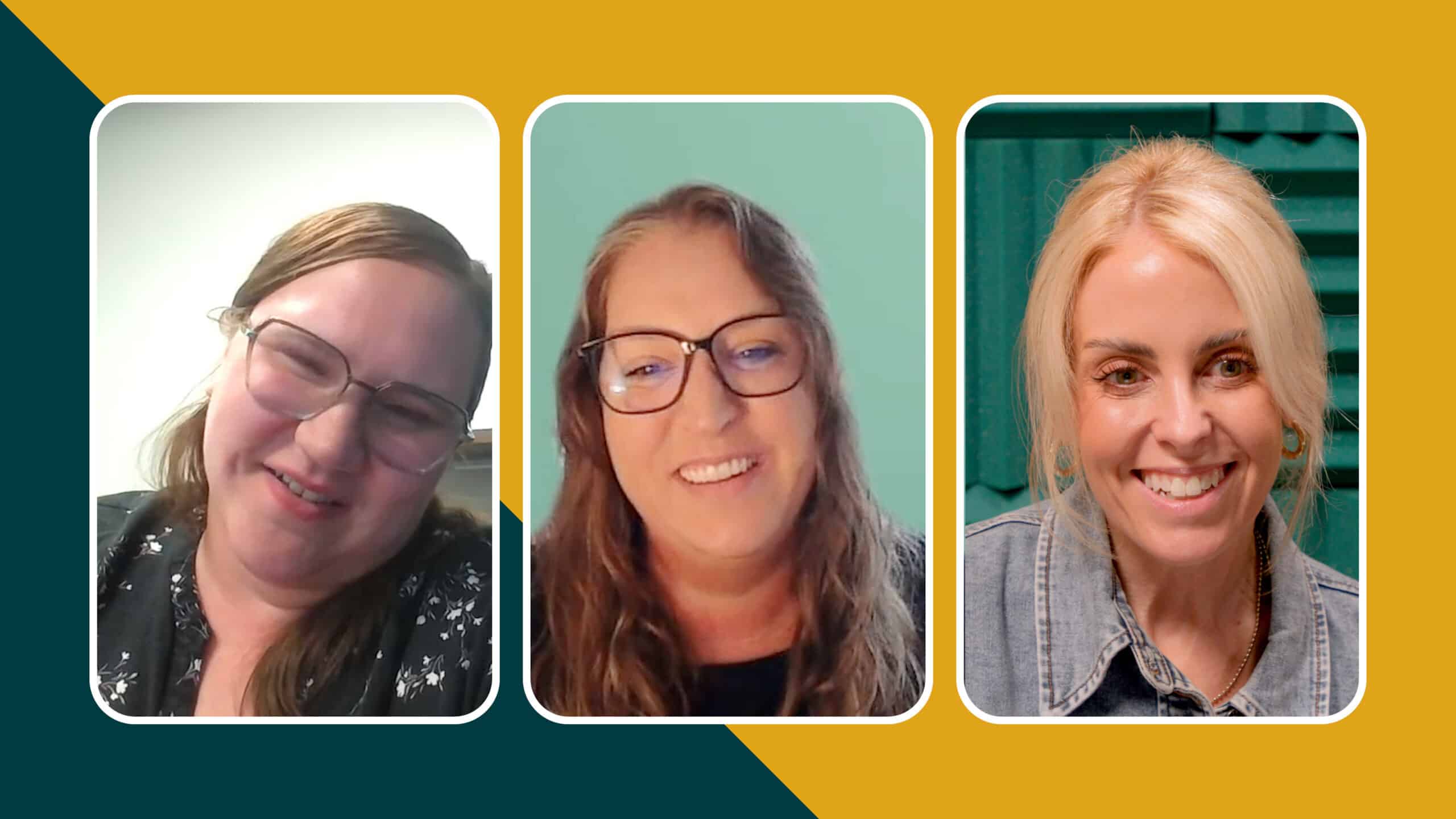
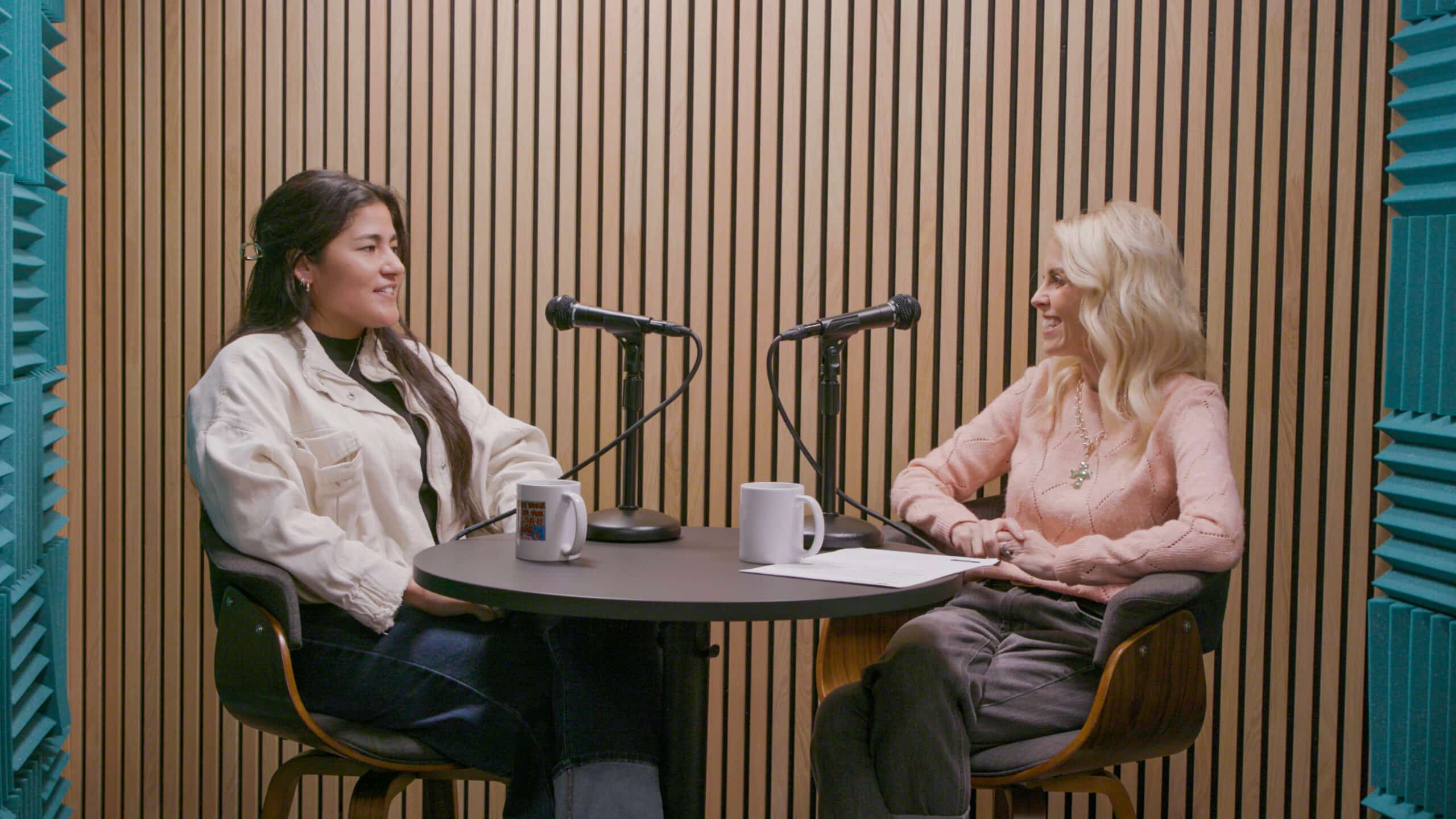
In the second episode of No Wrong Door, host Amy Gordona sits down with Delaney Boldman, Business Solution Architect at Findhelp, to explore how specialty networks can transform the way people are connected to behavioral health, post-acute care, and essential social supports.
In this episode, we explore:

Why care transitions are so hard today
How specialty networks simplify access to complex care
What it takes to support whole-person care at scale
Watch episode 2: “Making Care Connections Easier”
Key themes from the conversation
Amy and Delaney unpack why today’s care transitions are so difficult, how outdated processes slow everything down, and what it takes to build access that actually works for both care teams and the people they serve. Explore their take on making care connections easier.
The problem with care transitions today
Across the country, care teams are navigating an ecosystem that was never designed to be seamless. As Amy explains, fragmented systems often lead to long hospital stays, delayed placements, and unnecessary suffering for patients.
Behind the scenes, discharge planners and social workers are juggling spreadsheets, phone calls, and outdated tools just to find available care.
Bed availability changes constantly. Eligibility rules vary. And by the time information is verified, it may already be out of date.
“We’ve heard the same stories again and again — patients stuck in hospitals for months, sometimes even a year or more, waiting for post-acute care placement.”
Amy Gordona
VP of Marketing at Findhelp and Host of ‘No Wrong Door‘
Why specialty networks are different
Specialty networks are designed to go beyond traditional resource directories. As Delaney explains, they expand Findhelp’s platform into spaces where access, quality, and real-time information matter most — starting with behavioral health and post-acute care.
Rather than forcing care teams to search across multiple systems, specialty networks bring information together in one place.
This model allows navigators to see availability, understand fit, and take action without jumping between platforms.
“Specialty networks go above and beyond our traditional social care network. They dip into behavioral health and post-acute — areas where accuracy and timeliness are critical.”
Delaney Boldman
Business Solutions Architect at Findhelp
One search, all services
A recurring theme in the conversation is Findhelp’s vision of one search, all services.
The goal is simple, even if the work behind it is not: support the whole person without requiring multiple tools, logins, or workflows.
By integrating behavioral health providers, post-acute facilities, and social care resources into a single experience, specialty networks help care teams address both clinical and non-clinical needs together.
“Why are we expecting someone who can’t get out of bed because of depression to also navigate food, housing, and transportation systems on their own?”
Delaney Boldman
Business Solutions Architect at Findhelp
Designing for navigators and care teams
Ease of use isn’t a nice-to-have — it’s foundational.
Delaney emphasizes that specialty networks are being built with navigators, discharge planners, and social workers at the center.
That focus shows up in how networks are curated, how results are explained, and how actions like referrals and bookings can happen directly within existing systems of record.
“The less time they spend jumping from system to system, the more time they can spend with the people who actually need help.”
Amy Gordona
VP of Marketing at Findhelp and Host of ‘No Wrong Door‘
Quality, trust, and real-time data
In high-stakes areas like behavioral health and post-acute care, quality and accuracy matter deeply.
Specialty networks rely on vetted partners, real-time APIs, and ongoing governance to ensure listings stay current.
This approach helps care teams make confident decisions while ensuring people don’t lose access because of outdated or incomplete information.
“We’re designing these networks so they’re never stale — leveraging real-time APIs and trusted partners to maintain quality.”
Delaney Boldman
Business Solutions Architect at Findhelp
What success looks like: Making care connections easier
For Delaney, success is clear: fewer spreadsheets, fewer delays, and better outcomes for people navigating complex care transitions.
When people can access behavioral health care, post-acute placement, and social supports together, the result is fewer readmissions, smoother transitions, and a system that works the way it should.
“I want them to never have to manage a spreadsheet again. I want navigators and discharge planners to have an intuitive tool that helps them wrap around the full needs of the person.”
Delaney Boldman
Business Solutions Architect at Findhelp
What’s next for No Wrong Door?
“Making Care Connections” easier is available now—Episode 3 will be released on March 4 and features Jaffer Traish, Findhelp’s COO, talking about social care consent, data exchange, and where we go from here.
Subscribe to No Wrong Door wherever you listen to podcasts to be notified when new episodes drop: