









Going Beyond the Call: Ep. 5 of the ‘No Wrong Door’ Podcast
No Wrong Door is a podcast from Findhelp that explores how social care delivery is evolving to better support whole person care. Hosted by Findhelp VP of Marketing Amy Gordona, the series features conversations with social care experts, healthcare and government innovators, and Findhelp leaders who are shaping the future of access, coordination, and connected care.
Each episode offers an inside look at the systems, decisions, and ideas driving change—and what it takes to build a social safety net that works at scale.
For millions of people across the U.S., dialing 211 is the first step toward finding help. But as community needs grow more complex, the role of 211 call centers is evolving—requiring better tools, deeper insights, and stronger connections across the social care ecosystem.
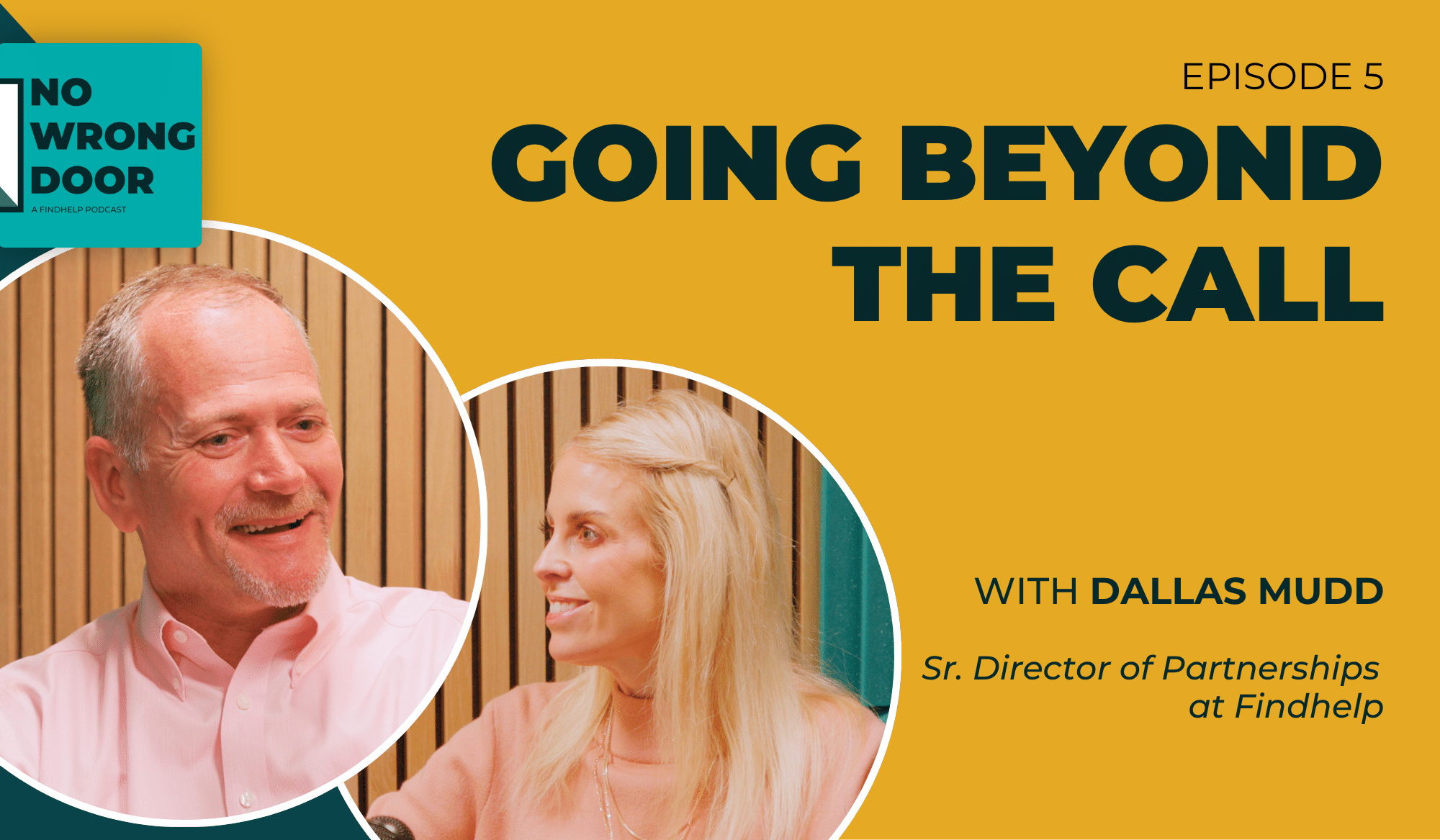
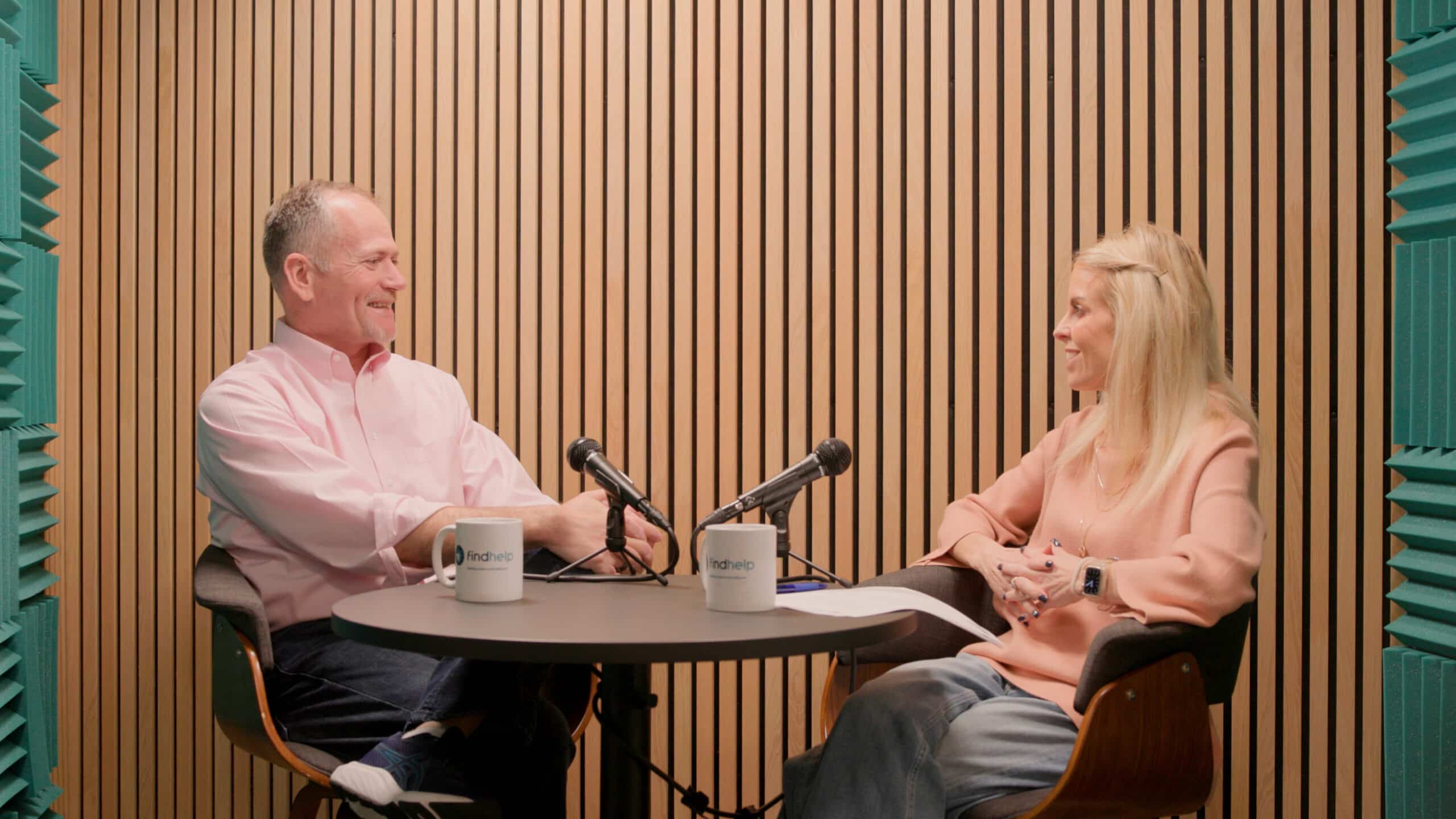
In Episode 5 of No Wrong Door, host Amy Gordona sits down with Findhelp’s Senior Director of Partnerships, Dallas Mudd, to explore how 211 is shifting from a referral-based model to a more coordinated, data-driven approach to care.
In this episode, we explore:

Why 211 call centers are evolving beyond information and referral
How fragmented systems limit visibility into outcomes
What becomes possible when data, technology, and community partners connect
Watch episode 5: “Going Beyond the Call”
Key themes from the conversation
211 call centers are the front door, but needs have grown more complex
211 has long served as a critical entry point to the social safety net, connecting people to essential resources like food, housing, and utility assistance. But the context surrounding those calls has changed.
People aren’t just looking for information—they’re navigating layered challenges, often in moments of crisis. That complexity requires more than a list of resources; it requires human connection and deeper support.
As needs become more interconnected, the systems supporting 211 must evolve to meet people where they are.
“Nobody calls 211 because they’re having a great day.”
Dallas Mudd
Sr. Director of Partnerships at Findhelp
Referrals alone aren’t enough—outcomes matter
Traditionally, 211 has been measured by volume: how many calls were answered or referrals made. But that only tells part of the story.
What happens after a referral—whether someone actually receives help—is increasingly what matters most to communities, funders, and policymakers.
Tracking outcomes, including when needs aren’t met, creates opportunities to improve coordination, refine referrals, and ultimately deliver better care.
“What becomes possible then when call centers can track outcomes and follow up with interactions over time… how does that change the dynamic?”
Amy Gordona
VP of Marketing at Findhelp and host of ‘No Wrong Door’
Fragmentation creates inefficiency and missed opportunities
Behind the scenes, many 211 systems operate on fragmented, outdated technology. Even within a single state, multiple call centers may be duplicating efforts, maintaining separate databases, and working in isolation.
That fragmentation not only creates inefficiencies but also limits the ability to see patterns and respond to community needs at scale.
Bringing these systems together through shared infrastructure and integrated workflows can reduce duplication and unlock a clearer, more coordinated picture of need.
“A lot of the systems, they don’t often communicate well, or it’s antiquated technology, meaning the technology hasn’t kept up with society.”
Dallas Mudd
Sr. Director of Partnerships at Findhelp
Data turns 211 call centers into community insight engines
211 call centers don’t just connect people to resources—they also generate valuable insight into what communities need.
With better data and visibility, call centers can identify emerging gaps, inform funding decisions, and help direct resources where they’re needed most.
When paired with technology platforms like Findhelp, that data becomes even more powerful, revealing patterns across populations, geographies, and time.
“On the front end we provide community resources to the caller. On the back end we’re a data output center, meaning we are providing information to the community stakeholders.”
Dallas Mudd
Sr. Director of Partnerships at Findhelp
The future: coordinated, connected care
Looking ahead, the role of 211 call centers is expanding into something larger: a connected hub within a broader ecosystem of care.
With integrated technology, consent-driven data sharing, and stronger partnerships, call centers can move from isolated interactions to a continuous, coordinated experience.
By breaking down silos and working together, communities can build a more responsive, effective safety net—one that supports people not just in moments of crisis, but throughout their journey.
“No one organization is the solution. We are all part of the solution.”
Dallas Mudd
Sr. Director of Partnerships at Findhelp
What’s next for No Wrong Door?
“Going Beyond the Call” is available now—Episode 6 will be released on April 15 and features Clarissa Banks, Manager of Community Health Social Services at CommUnityCare, talking about how they’ve successfully integrated clinical and social care workflows.
Subscribe to No Wrong Door wherever you listen to podcasts to be notified when new episodes drop: