











Watch | Kīpuka: A Story of Community Resilience in Hawaiʻi
To the rest of the world, Hawai‘i is paradise: a place of rainbows, lush mountains, and shimmering beaches. But beyond the postcard images, a different story is unfolding — one of families struggling to stay connected to land that grows more expensive, inaccessible, and fragile with each passing year. Today, we’re proud to announce the release of Kīpuka, the latest short documentary from Findhelp Films.
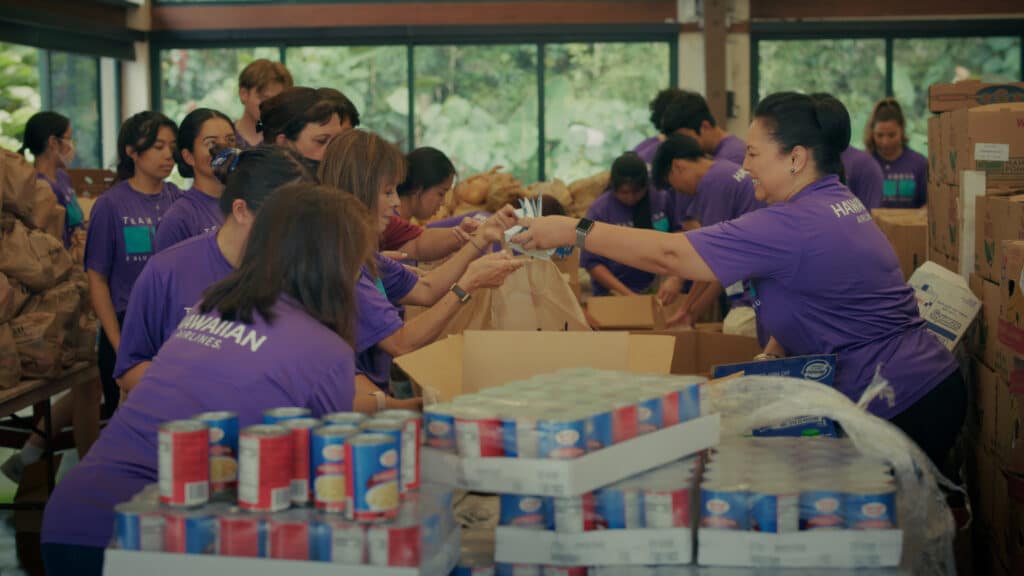
Set in Koʻolaupoko, Oʻahu, the 25-minute film follows the work of KEY Project, a grassroots community center that has served its neighbors since 1968. From youth mentorship and food support to senior citizen programming and cultural education, KEY Project doesn’t just provide services—it cultivates a deep sense of belonging.
“If you’re going to take up space within these islands, you need to honor the traditions that were here long before you were.”
Kimberly Jones
Youth Program Coordinator at KEY Project
The high price of paradise
For many local families, especially Native Hawaiians, the cost of living has become a major challenge. What was once a sustainable island economy now relies on imported goods, with nearly 90% of food shipped in from elsewhere, according to the University of Hawaii. As John Reppun, a community elder, notes in the film, “When Hawai‘i became a state in 1959, the doors kind of got blown off. A lot of development muscled its way into communities like ours.”
Today, the impact of that development is undeniable. Local grocery store prices rival those of Manhattan. Tourism continues to expand. Once-sustainable communities are reshaped into playgrounds for visitors, even as long-time residents are priced out of their own neighborhoods.
The cost of living index for Hawai‘i far exceeds any other state, according to the World Population Review. The index is almost 30% higher than that of Massachusetts and California, the second and third most expensive states to live in.
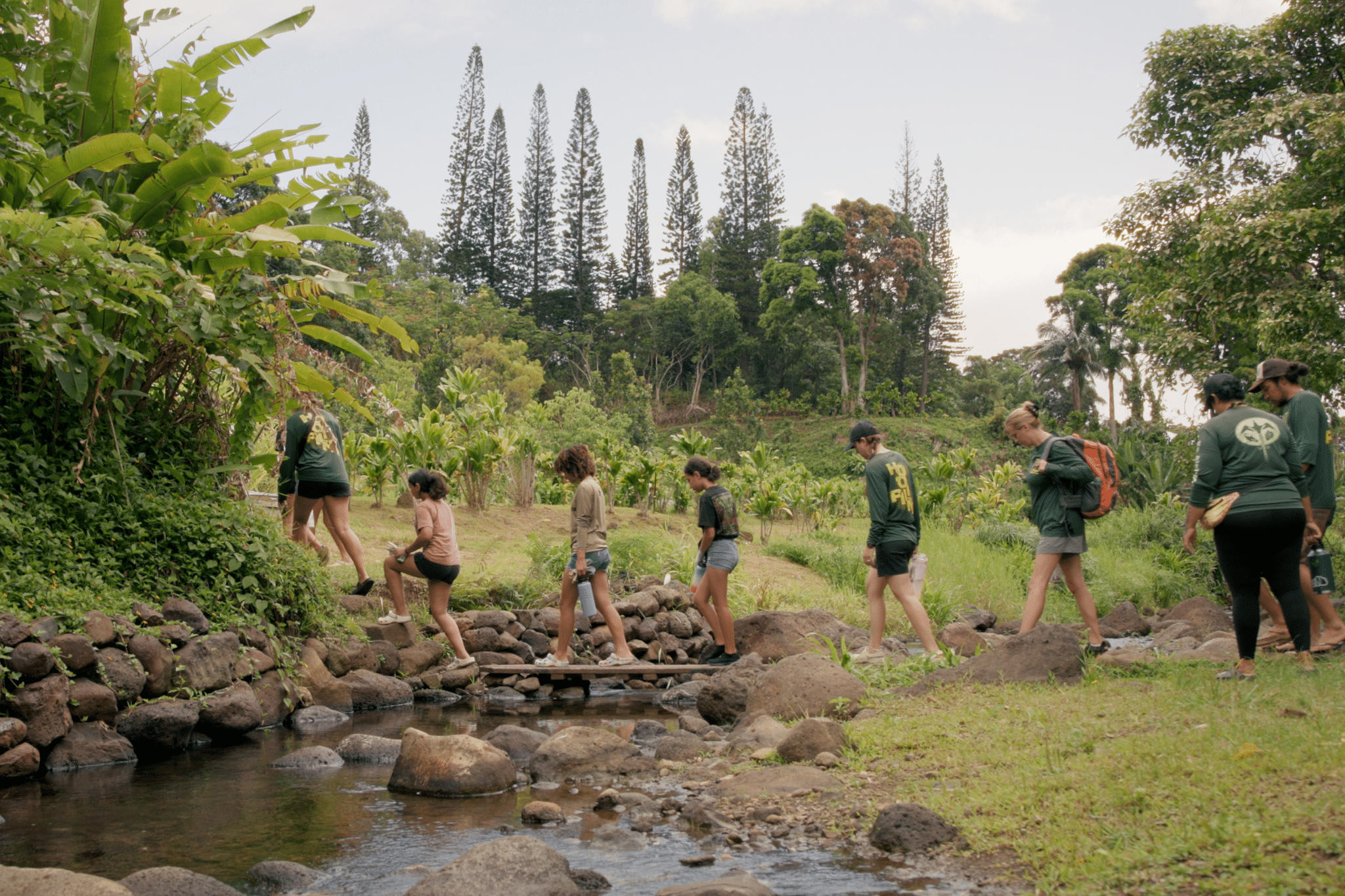
At the center of Kīpuka is KEY Project’s effort to resist that erasure — not through confrontation, but through restoration. Youth are taught to kilo (observe) the land, to clear invasive species, to rebuild ancient fishponds, and to see stewardship as a living practice. The work is tangible and hard, rooted in hope, focused on community resilience.
“Restoration is a big thing in Hawai‘i. We have to regain our culture, and we have to regain our ʻāina.”
Ryli Kalahiki
Youth Program Assistant at KEY Project
What is a “kīpuka”?
In Hawaiian, a kīpuka is a patch of land left untouched by lava—a refuge where life can take hold again. It’s also the metaphor that guides the film.
“Kīpuka are protected spaces where native species thrive. That’s how I imagine KEY Project: a place where people can be safe, feel protected, and thrive.”
Rainbow Uliʻi
Executive Director at KEY Project
In one of the film’s most poignant moments, a mother describes how her daughter, once disconnected and struggling, began to change after joining KEY Project’s programs. “Every day she came home and talked about what they did — the friends she made, the knowledge she gained, the connection she felt.”

Beyond Findhelp: Amplifying community voices
At Findhelp, our mission is to connect all people in need with programs that serve them, with dignity and ease. But behind every search on our platform is a human story: a person reaching out for support, and a local organization ready to answer.
Our storytelling initiative was created to spotlight the people and communities doing this work every day. We believe a stronger social safety net isn’t built by software alone. It’s built through human relationships, cultural memory, and care that transcends transactions.
Kīpuka is the latest in a growing body of films that includes Filling the Gaps (on dental care access) and Living Positive (on a community united around HIV support). Each film is a tribute to those who consistently show up for others, often without recognition.
Experience Kīpuka: Watch, share, and be inspired
Kīpuka is now available to stream at kipukafilm.com!
We hope you’ll take some time to watch, share, and consider what it means to protect your own kīpuka, wherever you live. Let this film be a reminder that belonging is worth fighting for, that connection is built through care, and that even in the face of great pressure, communities can thrive.